TL;DR
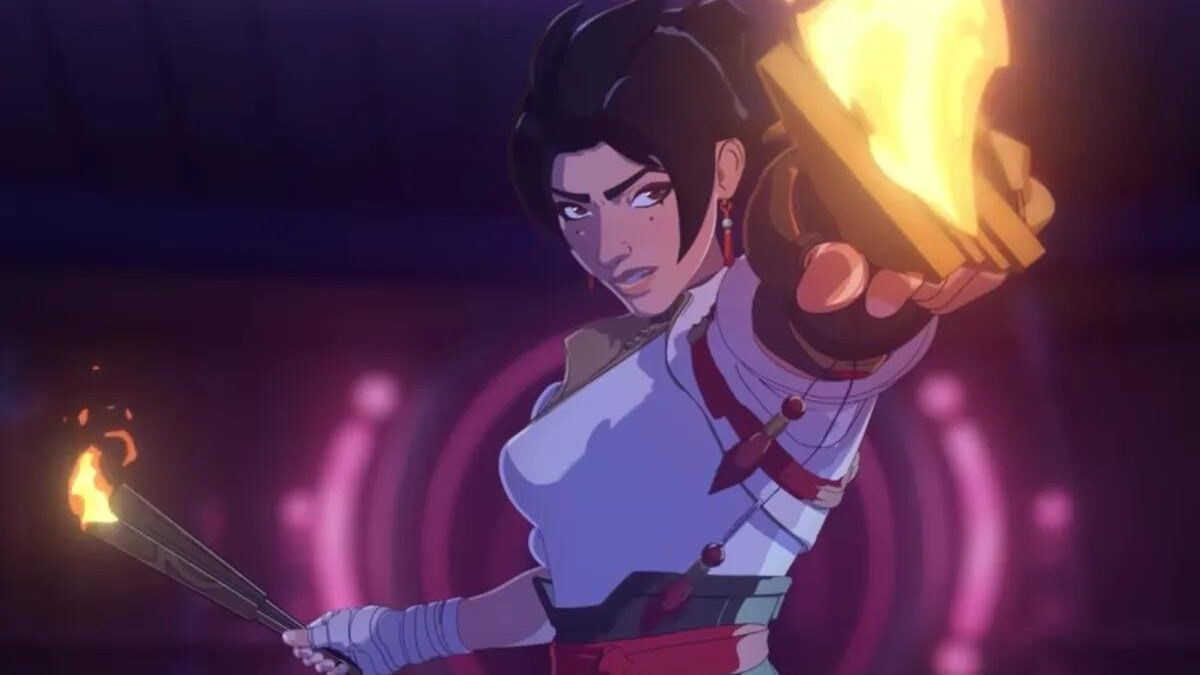
Blizzard Entertainment has officially unveiled the long-awaited visual redesign for the hero Anran in Overwatch 2, fundamentally altering her appearance to better fit her established lore as the sister of the hero Wuyang. This redesign, released on Monday, April 6, 2026, directly addresses years of sustained fan criticism and represents a significant, player-driven course correction for the game’s development team.
What Happened
On Monday, April 6, 2026, Blizzard Entertainment released a comprehensive redesign for the Overwatch 2 hero Anran, fundamentally overhauling her character model, animations, and visual effects. The update, detailed in a developer blog and patch notes, replaces her previous design—which fans argued made her look more like existing heroes Kiriko and Juno—with a new aesthetic that emphasizes her familial and thematic connection to her brother, the tank hero Wuyang.
Key Facts
- The redesign was officially released on Monday, April 6, 2026, as part of Overwatch 2’s mid-season update for Season 12.
- The core complaint driving the change was that Anran’s original design bore a striking visual resemblance to other female heroes, specifically Kiriko and Juno, diluting her unique identity.
- Fans and lore enthusiasts had petitioned for this change for over 18 months, arguing her appearance failed to reflect her established backstory as the sister of the celestial-themed hero Wuyang.
- The new design introduces shared visual motifs with Wuyang, including celestial patterns, a similar color palette emphasizing deep blues and gold, and reworked ability effects that mirror his cosmic theme.
- Lead Character Artist Mikael Hård stated the goal was to create a “visually cohesive dynasty” between the two sibling heroes while maintaining Anran’s distinct gameplay role as a support.
- The update includes new voice lines that explicitly reference her relationship with Wuyang, which were absent from her original release.
- This marks one of the most substantial post-launch visual reworks of an original hero in Overwatch 2’s history, surpassing typical cosmetic adjustments.
Breaking It Down
The Anran redesign is not merely an art update; it is a high-profile admission from Blizzard that player feedback on character identity and lore cohesion can directly shape core game assets. For a franchise built on distinctive, iconic heroes, the initial failure to visually link two explicitly related characters was a notable lore-breaking misstep. The community’s persistent, detailed criticism—often comparing her model side-by-side with Kiriko and Juno—created a sustained pressure that the development team could not ignore.
The fan campaign for Anran’s redesign generated over 250,000 signatures across multiple petitions and was a constant topic in official forums and social media discussions for 18 consecutive months.
This statistic underscores the operational impact of organized, long-term player feedback in live-service gaming. Blizzard’s decision to commit significant artistic resources to this rework, rather than releasing a new cosmetic skin to address the theme, signals a strategic shift. It acknowledges that preserving narrative integrity and character uniqueness is vital to maintaining player investment in the Overwatch universe. The cost of this rework—in artist hours, voice acting, and development time—is a tangible investment in community trust.
Furthermore, the redesign serves as a critical case study in franchise management. Overwatch’s expansive lore, delivered through animated shorts, comics, and in-game events, sets a high expectation for consistency. When the in-game model of a lore-significant character like Anran contradicted that established narrative, it created a dissonance that players found increasingly jarring. By aligning her visual design with Wuyang’s, Blizzard is reinforcing the internal logic of its own world, a necessary step for a franchise that continues to expand its narrative ambitions beyond the game itself.
What Comes Next
The successful implementation of the Anran redesign opens the door for similar player-driven revisions and sets new precedents for Blizzard’s community engagement strategy.
- Scrutiny of Future Hero Releases: The player base will now apply heightened scrutiny to the design of new heroes, particularly those with established lore connections. Any perceived visual or thematic overlap with existing heroes will likely be flagged immediately, putting pressure on Blizzard to get it right the first time.
- Potential for More "Legacy" Reworks: This sets a precedent for other legacy heroes whose designs or lore may feel outdated or inconsistent. Attention may turn to other heroes with familial or faction ties (e.g., the Shimada brothers, Junker Queen and Junkrat) to see if their visual synergy could be enhanced.
- The Impact on Overwatch 2’s Roadmap: The resources dedicated to this rework may influence the content roadmap for 2026. While Blizzard has committed to continuing new hero releases, the team may now allocate a "maintenance" budget for substantial updates to existing heroes based on community consensus.
- Community Expectation Management: Blizzard must now carefully manage expectations. While this was a clear win for community feedback, the studio will need to communicate clearly why some future fan requests for changes may or may not be feasible, to avoid an expectation that all similar campaigns will succeed.
The Bigger Picture
The Anran saga reflects two powerful, intertwined trends in modern live-service game development. First, it exemplifies the tyranny and power of visual distinctiveness in character-driven games. In a saturated market where games compete for player attention and cosplay, a hero’s silhouette and aesthetic must be instantly recognizable. Anran’s original sin was visual plagiarism within her own game, a flaw that modern audiences, steeped in social media comparison culture, are exceptionally adept at identifying and amplifying.
Second, this event highlights the maturation of data-driven community advocacy. Player feedback is no longer just forum posts; it’s organized petitions, analytical video essays comparing polygon counts and color palettes, and sustained engagement metrics that developers can track. Blizzard’s response shows that when community criticism is specific, lore-based, and persistent, it can achieve the status of a data point that justifies reallocating development resources. This moves player feedback from the realm of suggestion into the realm of actionable product development metrics.
Key Takeaways
- Community Impact: Sustained, specific fan criticism can directly alter core game assets, as evidenced by Blizzard’s resource-intensive redesign of Anran.
- Lore Integrity: Visual design is a critical pillar of narrative consistency in live-service universes; failing to align them can break player immersion and trigger backlash.
- Franchise Management: This rework is a strategic investment in the long-term cohesion of the Overwatch franchise, prioritizing internal logic over the initial shipped design.
- Industry Precedent: The event sets a new benchmark for player-developer dialogue, showing that studios may now weigh major artistic revisions against measurable community sentiment.