TL;DR
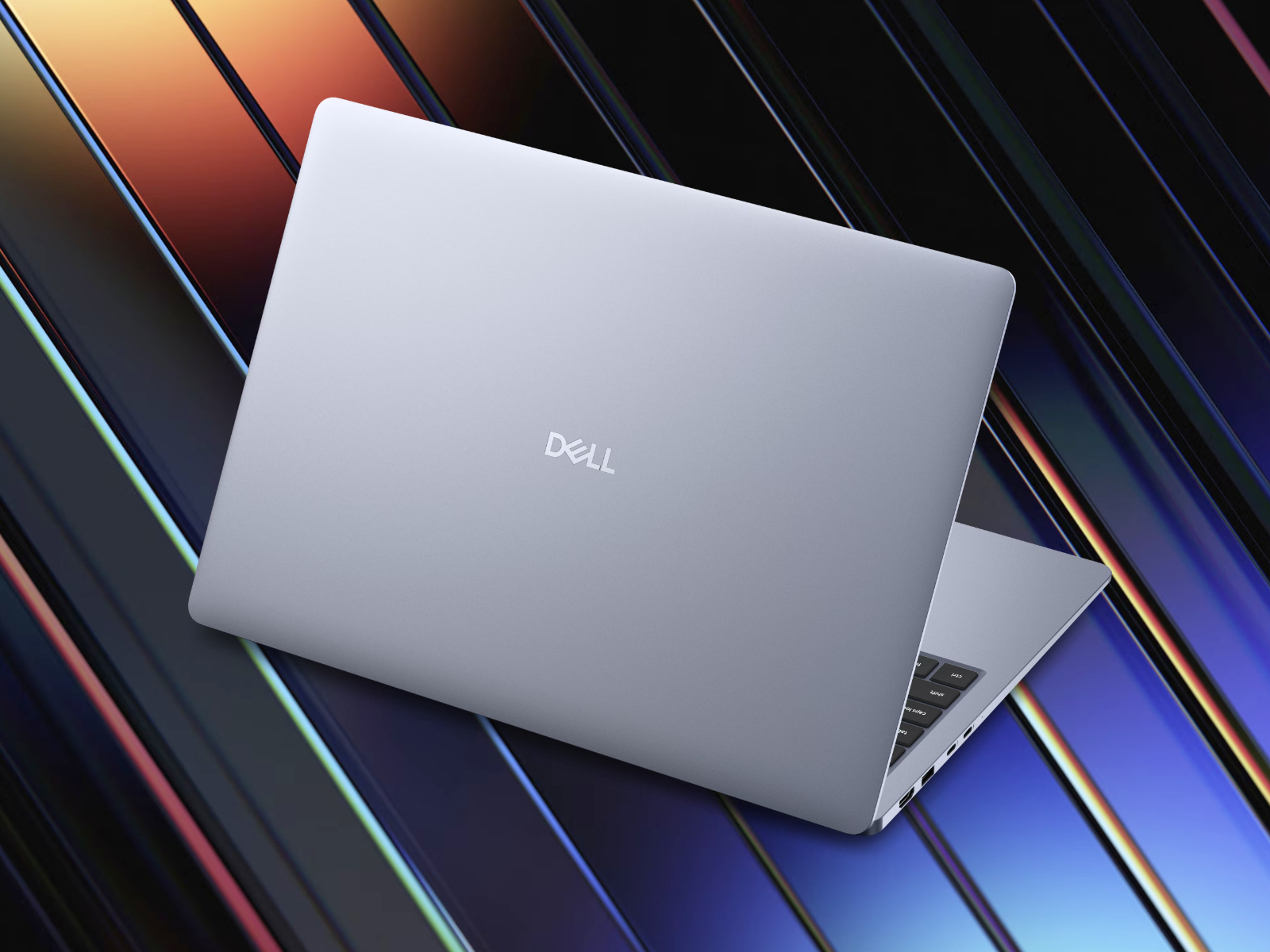
Dell has launched the Dell 16S, a new 16-inch laptop globally, featuring Intel's next-generation Panther Lake processors and a 120 Hz OLED display at 2.8K resolution. This marks the first major OEM deployment of Intel's Panther Lake architecture in a consumer laptop, signaling a shift in performance and display standards for the 2026 mobile computing market.
What Happened
Dell has officially released the Dell 16S globally, a 16-inch laptop powered by Intel's Panther Lake processors and featuring a 120 Hz OLED display at 1800p (2.8K) resolution. The announcement, reported by Notebookcheck.net on Thursday, May 14, 2026, positions the Dell 16S as a mid-to-high-end productivity and multimedia machine, with configurations available up to the Core Ultra 9 386H and 32 GB of RAM.
Key Facts
- The Dell 16S is equipped with Intel Panther Lake processors, specifically the Core Ultra 9 386H, marking the first global consumer laptop launch for this architecture.
- The display is a 16-inch OLED panel with a 120 Hz refresh rate and 2.8K (1800p) resolution, offering high color accuracy and fluid motion.
- Memory configurations top out at 32 GB of RAM, likely LPDDR5X, though exact speeds were not specified in the announcement.
- The laptop is sold globally as of May 14, 2026, with no regional exclusivity restrictions reported.
- The Core Ultra 9 386H is the highest-end SKU available, suggesting a tiered lineup with lower Ultra 5 and Ultra 7 variants.
- Dell did not disclose pricing, battery capacity, or weight in the initial release, but the 16-inch form factor implies a focus on portable workstation rather than ultra-light travel.
- The 120 Hz OLED display is a notable upgrade from the standard 60 Hz panels found in most productivity laptops, targeting content creators and media consumers.
Breaking It Down
The Dell 16S launch is significant primarily because it is the first global consumer laptop to ship with Intel's Panther Lake processors. Intel's Panther Lake architecture, successor to the 2024 Lunar Lake series, represents a major node shrink and architectural redesign aimed at improving both single-threaded performance and integrated graphics capabilities. By partnering with Dell for a global rollout, Intel is betting that Panther Lake's efficiency gains will differentiate the Dell 16S in a crowded market dominated by AMD's Ryzen AI 300 series and Qualcomm's Snapdragon X Elite.
The Core Ultra 9 386H in the Dell 16S is Intel's highest-end mobile SKU for Panther Lake, a processor that Intel claims delivers a 40% improvement in multi-threaded performance over its predecessor, the Core Ultra 9 285H.
This performance leap, if accurate, would put the Dell 16S in direct competition with Apple's M4 Pro MacBook Pro 16-inch and AMD's Ryzen 9 8945HS laptops. However, the 32 GB RAM cap is notably lower than the 64 GB or 128 GB options available on some competing workstations. This suggests Dell is targeting the "prosumer" and creative professional segment—video editors, photographers, and developers—rather than data scientists or heavy virtualization users who require more memory.
The 120 Hz OLED display is another strategic differentiator. Most 16-inch productivity laptops still ship with 60 Hz IPS panels, even at premium price points. By offering a 120 Hz OLED with 2.8K resolution, Dell is directly appealing to users who value smooth scrolling, high contrast ratios, and vibrant colors—features typically reserved for gaming laptops or high-end media consumption devices. This positions the Dell 16S as a hybrid device that can handle both professional creative work and entertainment without compromise.
However, the lack of disclosed pricing, battery life, and weight figures in the initial announcement raises questions. OLED panels, especially at high refresh rates, are power-hungry. If the Dell 16S cannot deliver at least 8–10 hours of real-world battery life with the 120 Hz display enabled, its appeal as a portable workstation will be significantly undermined. Additionally, the 16-inch form factor typically weighs 4–5 pounds, which may deter users seeking ultra-light alternatives like the 3.5-pound MacBook Air 15-inch.
What Comes Next
The Dell 16S launch is just the beginning of a broader Panther Lake rollout. Several developments are expected in the coming months:
- Pricing and configuration details: Dell is expected to release full pricing and SKU breakdowns within the next two weeks. Analysts predict the base model (Core Ultra 5, 16 GB RAM, 60 Hz IPS display) will start at approximately $1,299, with the fully loaded Core Ultra 9 386H, 32 GB RAM, and 120 Hz OLED configuration reaching $2,199.
- Competitor responses: AMD is expected to announce its Ryzen AI 400-series laptops at Computex 2026 in early June, directly targeting the same "AI PC" segment. Qualcomm may also refresh its Snapdragon X Elite lineup with the Snapdragon X2 Gen 2, potentially undercutting Intel on battery life.
- Third-party reviews and benchmarks: Independent reviews of the Dell 16S with the Core Ultra 9 386H are expected within 10–14 days. These will be critical to validate Intel's claimed 40% performance improvement and assess real-world battery life with the 120 Hz OLED.
- Potential Dell expansion: Dell may introduce 14-inch and 18-inch variants of the 16S line, leveraging the same Panther Lake platform, possibly announced at Dell Technologies World 2026 in late May.
The Bigger Picture
The Dell 16S launch is a microcosm of two larger trends in the technology industry: the AI PC revolution and the OLED display adoption race. Intel's Panther Lake processors include a dedicated Neural Processing Unit (NPU) capable of over 45 TOPS (trillions of operations per second), meeting Microsoft's Copilot+ PC requirements. This positions the Dell 16S as part of the wave of "AI PCs" that can run on-device AI workloads like real-time video editing, language model inference, and AI-powered productivity tools without cloud connectivity.
Simultaneously, the shift to high-refresh-rate OLED displays in non-gaming laptops is accelerating. Dell, Apple, Samsung, and Lenovo are all moving toward 120 Hz or even 144 Hz OLED panels for mainstream laptops. The Dell 16S's 120 Hz OLED at 2.8K resolution is a clear signal that 60 Hz IPS panels are becoming obsolete in the premium segment, especially for creative professionals who demand both color accuracy and smooth motion.
Key Takeaways
- [Panther Lake Debut]: The Dell 16S is the first global consumer laptop to ship with Intel's Panther Lake processors, specifically the Core Ultra 9 386H, marking a major architecture transition.
- [120 Hz OLED Standard]: Dell's inclusion of a 120 Hz 2.8K OLED display in a productivity laptop signals that high-refresh-rate OLEDs are becoming the new baseline for premium 16-inch machines.
- [32 GB RAM Cap]: The 32 GB maximum RAM limits the Dell 16S to prosumer workflows, not heavy enterprise or data science workloads, where 64 GB+ is often required.
- [Battery Life Uncertainty]: The lack of disclosed battery life figures raises questions about real-world endurance with the 120 Hz OLED, a critical factor for portable use.