TL;DR
Google has begun rolling out a Quick Share feature that enables file transfers between Android devices and iPhones using QR codes. This eliminates the need for third-party apps like ShareIt or email attachments, and it matters now because it directly challenges Apple's AirDrop dominance in cross-platform file sharing.
What Happened
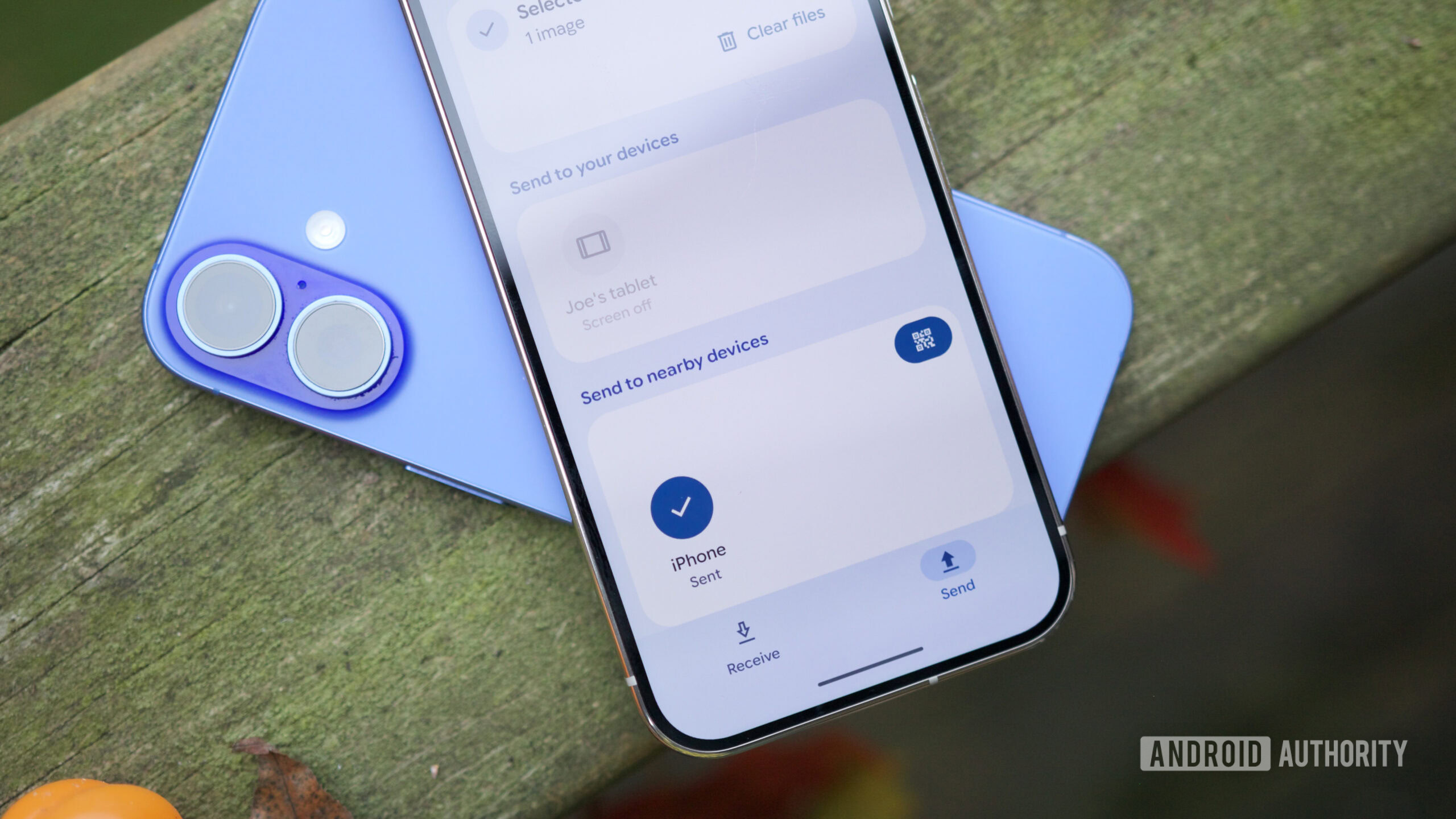
On Friday, May 15, 2026, Google began rolling out a QR code-based Quick Share feature that allows Android users to transfer files to iPhones without installing any additional software. The update, reported by Android Authority, integrates directly into the existing Quick Share system—formerly known as Nearby Share—and generates a scannable QR code on the Android device that the iPhone user can scan to receive the file.
Key Facts
- Google's Quick Share feature now supports file transfers to iPhones via QR codes, eliminating the need for third-party apps.
- The rollout began on Friday, May 15, 2026, as reported by Android Authority.
- The QR code is generated on the Android device and scanned by the iPhone's camera to initiate the transfer.
- The feature does not require iPhone users to install Google's Files app or any other Google software.
- Quick Share was originally launched as Nearby Share in 2020 and rebranded in January 2024.
- The QR code method uses a peer-to-peer Wi-Fi direct connection for faster, more reliable transfers than Bluetooth alone.
- This move positions Quick Share as a direct competitor to Apple's AirDrop, which remains exclusive to the Apple ecosystem.
Breaking It Down
The core innovation here is not the QR code itself—it's the elimination of friction in cross-platform file sharing. For years, Android and iPhone users have relied on a patchwork of solutions: emailing files to themselves, using cloud storage links, or installing third-party apps like Send Anywhere or Xender. Each of these adds steps, requires account creation, or introduces security risks. Google's QR code approach reduces the process to three steps: generate, scan, receive.
Over 2.5 billion Android devices and 1.5 billion iPhones exist globally, yet no native file-sharing protocol has bridged the two platforms until now. This single feature potentially unlocks seamless transfers for the vast majority of the world's smartphone users.
The technical architecture is worth examining. Quick Share already supported Wi-Fi Direct for high-speed transfers between Android devices, and the same protocol now works with iPhones. By generating a QR code that encodes connection parameters—SSID, password, and session token—the Android device creates a temporary, encrypted peer-to-peer network. The iPhone scans the code, joins the network, and receives the file. This is fundamentally different from Bluetooth-based sharing, which is slower and limited by range. Wi-Fi Direct can achieve speeds of up to 250 MB/s in ideal conditions, making large video files or photo albums transferable in seconds.
Google's timing is strategic. Apple's AirDrop remains a marquee feature for iPhone users, often cited as a reason to stay within the ecosystem. By offering a no-install solution for iPhones, Google undercuts one of Apple's key lock-in advantages. Moreover, the feature arrives as RCS messaging finally gains traction on iOS—Apple adopted RCS in late 2024—creating a broader narrative of Google pushing cross-platform interoperability. The QR code Quick Share is not just a convenience; it is a competitive play to make Android the more open, connective platform.
What Comes Next
The rollout is incremental, meaning not all users will see the feature immediately. Here are the concrete developments to watch:
- Full server-side rollout completion: Google typically stages feature launches over 1–3 weeks. Expect the QR code Quick Share to be available on all Android devices running Android 12 or newer by early June 2026.
- Apple's response: Apple has historically resisted cross-platform file sharing. Watch for iOS 20 announcements at WWDC 2026 (expected June 8–12) for potential AirDrop expansion or a competing standard.
- Enterprise adoption: Businesses with mixed Android-iPhone workforces may adopt Quick Share for secure, internal file transfers. Look for Google Workspace integration announcements in Q3 2026.
- Security audits: Security researchers will likely scrutinize the QR code handshake protocol. Any discovered vulnerabilities could delay adoption or prompt a patch within 30–60 days of full rollout.
The Bigger Picture
This feature is the latest chapter in Google's long-term strategy to erode Apple's ecosystem lock-in. By making Android devices more interoperable with iPhones, Google reduces the switching cost for users considering moving between platforms. The QR code Quick Share directly attacks AirDrop's exclusivity, which has been a subtle but powerful retention tool for Apple.
Simultaneously, this aligns with the broader industry trend toward universal connectivity standards. The USB-C mandate in the European Union (effective 2024) and the RCS adoption on iOS both signal a shift away from proprietary protocols. Google's QR code Quick Share is another brick in that wall—a pragmatic move that prioritizes user convenience over platform exclusivity. If successful, it could pressure Apple to either open AirDrop to Android or risk appearing as the closed, anti-consumer option.
Key Takeaways
- [Cross-Platform Breakthrough]: Google's QR code Quick Share enables direct Android-to-iPhone file transfers without third-party apps, challenging Apple's AirDrop.
- [No Installation Required]: iPhone users can receive files by simply scanning a QR code with their camera—no Google app needed.
- [Technical Superiority]: The feature uses Wi-Fi Direct for speeds up to 250 MB/s, far outperforming Bluetooth-based alternatives.
- [Strategic Timing]: The rollout coincides with RCS adoption on iOS and precedes WWDC 2026, putting pressure on Apple to respond.

