TL;DR
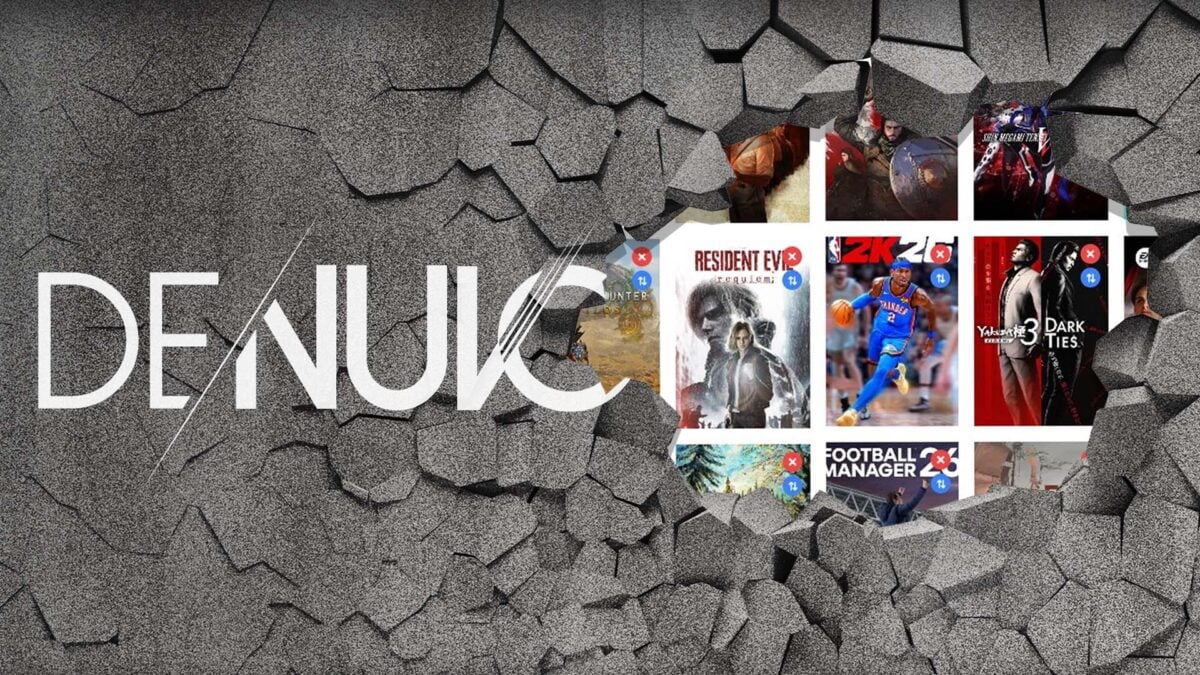
A newly developed bypass technique has effectively cracked Denuvo anti-tamper software across all games using it, ending years of claims that the protection was unbreakable. Publisher 2K is already responding with aggressive legal and technical countermeasures, signaling an escalation in the ongoing war between game companies and the piracy community.
What Happened
On Tuesday, April 28, 2026, the gaming and cybersecurity worlds collided when hackers announced they had deployed a relatively new bypass technique that fully cracks Denuvo protection software—long considered the gold standard for anti-piracy in AAA gaming. The breakthrough, reported by Kotaku, has already triggered a swift response from publisher 2K, which is now fighting back with legal threats and potential software updates to restore protection.
Key Facts
- The cracking technique is a bypass method, not a traditional decryption hack, meaning it allows unauthorized execution of Denuvo-protected game executables without removing the software itself.
- Denuvo has been the dominant anti-tamper solution for major publishers including 2K, Electronic Arts, Ubisoft, and Square Enix since its commercial debut in 2014.
- The breach was announced by an unnamed group of hackers on April 28, 2026, with claims that the bypass works on all current Denuvo versions.
- 2K has already initiated legal action against the hackers under the Digital Millennium Copyright Act (DMCA) and is reportedly deploying server-side patches to detect and block cracked executables.
- Previous Denuvo cracks were limited to specific game versions or required months of work; this is the first time a universal bypass has been claimed.
- The bypass exploits a vulnerability in Denuvo's runtime integrity checks, allowing the game to run as if the protection is active when it is not.
- Kotaku reported that the hackers provided proof-of-concept demonstrations on multiple high-profile 2025-2026 titles, including 2K’s flagship sports and action franchises.
Breaking It Down
The Denuvo bypass represents a fundamental shift in the anti-piracy landscape. For over a decade, Denuvo’s core selling point was that it had never been fully cracked—only individual game versions were compromised after months of effort. The company’s marketing, backed by publisher endorsements, claimed that Denuvo delayed piracy by 60 to 90 days, enough to capture the critical launch window for sales. That calculus is now obsolete.
The bypass effectively reduces Denuvo's protection to zero, eliminating the time buffer that publishers relied upon to recoup development costs during a game's most profitable period.
The financial implications are immediate. AAA game development budgets now routinely exceed $200 million, with marketing costs adding another $100 million. Publishers like 2K count on the first 30 days of sales to generate roughly 40% of total lifetime revenue. A universal crack means that a game could be pirated within hours of release, not weeks or months. This directly threatens the return-on-investment models that underpin the industry’s biggest projects.
2K’s response is instructive. The company is not merely issuing DMCA takedowns; it is actively deploying server-side patches to identify and block cracked executables. This is a departure from previous publisher strategies, which typically relied on Denuvo updates to close vulnerabilities. 2K is effectively turning its games into live services, requiring online authentication even for single-player titles—a move that may alienate legitimate customers who demand offline play.
The technical nature of the bypass is also critical. By exploiting runtime integrity checks rather than cracking the encryption itself, the hackers have created a method that is harder for Denuvo to patch without fundamentally redesigning its software. Each new Denuvo version may require the hackers to adapt their bypass, but the underlying vulnerability—the runtime check—remains a structural weakness that is difficult to eliminate without breaking compatibility with existing games.
What Comes Next
The immediate future will be defined by a cat-and-mouse game between Denuvo, 2K, and the hacking community. Several concrete developments are likely:
-
Denuvo will release an emergency patch within 7 to 14 days, likely version 6.0 or higher, attempting to close the runtime integrity exploit. The effectiveness of this patch will determine whether the bypass remains viable.
-
2K will expand its server-side detection systems, possibly requiring all Denuvo-protected games to phone home for authentication on each launch. This could include forcing online-only modes for previously offline single-player titles, a move that may trigger consumer backlash.
-
Other publishers will follow 2K’s lead, with Ubisoft and Electronic Arts expected to announce similar legal actions and technical countermeasures within the next 30 days. Square Enix may also accelerate its shift to proprietary DRM solutions.
-
The hacking group will release a public tool within the next 2 to 4 weeks, making the bypass accessible to non-technical users. This will dramatically increase the scale of piracy and force publishers to respond more aggressively.
The Bigger Picture
This story is not just about one software crack—it is a symptom of three broader trends in technology.
DRM Arms Race: The Denuvo bypass is the latest escalation in a 30-year cycle where protection software is broken, patched, and broken again. From SecuROM in the 2000s to StarForce and now Denuvo, each generation of DRM has been eventually compromised. The pattern suggests that no software-based protection is permanent, and publishers may be forced to accept piracy as a cost of doing business or invest in alternative models like subscription services.
Live-Service Gaming as DRM: The 2K response highlights a growing industry shift toward online-only authentication as a de facto DRM. Games like Diablo III and SimCity (2013) famously required persistent internet connections, sparking outrage. If this bypass holds, expect more single-player titles to require online check-ins, blurring the line between ownership and access.
Piracy’s Economic Calculus: The bypass arrives just as global game development costs have reached unsustainable levels. With $300 million budgets becoming common, publishers face a stark choice: accept higher piracy rates, raise game prices (already trending toward $80), or double down on microtransactions and battle passes to offset lost sales. The 2K legal action suggests the latter path is being chosen.
Key Takeaways
- [Universal Crack]: A new bypass technique has effectively cracked all games using Denuvo, ending a decade of claims that the software was unbreakable.
- [2K Counterattack]: Publisher 2K is responding with DMCA legal action and server-side patches to detect and block cracked executables, signaling a new phase in DRM enforcement.
- [Financial Threat]: The bypass eliminates the 60-to-90-day piracy delay that publishers relied upon to capture launch-window sales, directly threatening AAA game profitability.
- [Live-Service Shift]: Expect more single-player games to require online authentication as publishers abandon software-only DRM in favor of persistent server-side checks.