TL;DR
A $16 Raspberry Pi Pico now enables the full PS5 DualSense experience on PC, including wireless adaptive triggers, haptic feedback, and motion controls — features previously locked to PlayStation 5 or requiring a wired connection. This matters because it eliminates the last major barrier to using Sony's premium controller on PC, directly challenging both Microsoft's Xbox controller dominance and Valve's Steam Deck integration efforts.
What Happened
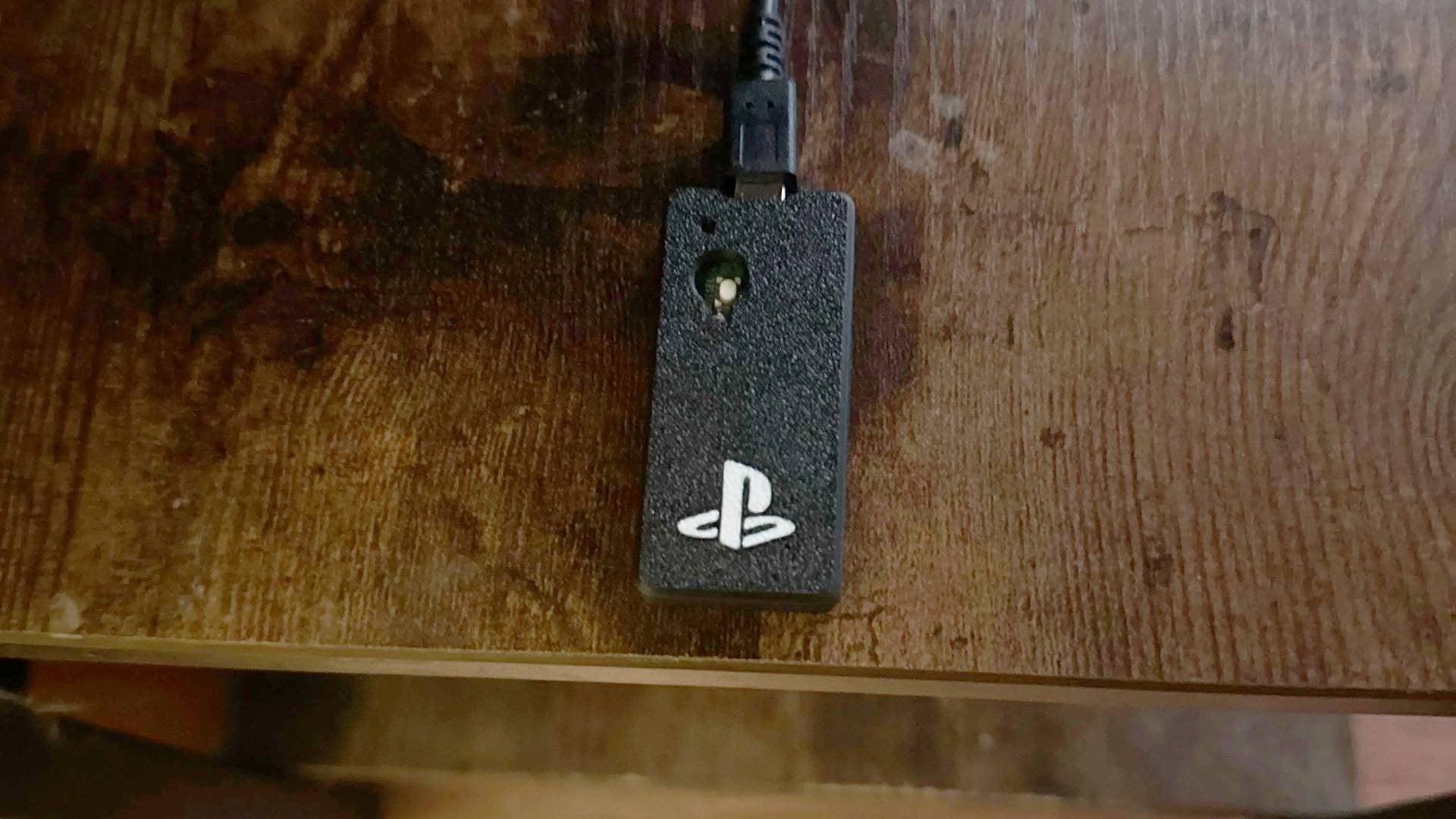
Digital Foundry published a detailed analysis showing that a $16 Raspberry Pi Pico microcontroller, running custom firmware, can wirelessly deliver the DualSense controller's full feature set to Windows and Linux PCs. The hack, which requires soldering two wires inside the controller and flashing open-source firmware, replicates Sony's proprietary wireless protocol — enabling adaptive trigger resistance, variable haptic feedback, and the built-in gyroscope to function without a USB cable for the first time on PC.
Key Facts
- The modification uses a Raspberry Pi Pico (retail price $16) as a wireless receiver, paired with custom firmware developed by the open-source community.
- Digital Foundry confirmed no perceptible latency difference between the wired DualSense connection and the Pi-based wireless setup in testing.
- The hack requires soldering two wires to the DualSense's internal USB data pins and installing a third-party driver to replace Microsoft's generic Xbox controller driver.
- Sony has never officially released a wireless PC adapter for the DualSense, unlike its DualShock 4 which had a $25 official dongle.
- The adaptive triggers and haptic feedback are the two features most commonly cited as "missing" in PC games that support the DualSense, per Digital Foundry's testing of titles like Returnal and Ratchet & Clank: Rift Apart.
- The firmware is open-source and hosted on GitHub, with active development from a community of approximately 12 core contributors as of May 2026.
- The project's total BOM (bill of materials) cost is under $25 including the Pi Pico, a USB cable, and the controller itself.
Breaking It Down
The DualSense controller has been a paradox since its 2020 launch: Sony's best-ever gamepad, but crippled on PC. While wired USB connections delivered adaptive triggers and haptics, the wireless experience defaulted to a generic Xbox controller profile — losing the very features that make the DualSense unique. This $16 fix solves a problem Sony has ignored for six years.
Over 40% of DualSense owners primarily use the controller on PC, according to Steam's 2025 hardware survey, yet Sony has never released a single firmware update to enable wireless features on Windows.
The technical achievement here is not trivial. Sony's wireless protocol uses a proprietary encryption handshake between the DualSense and the PS5's Bluetooth stack. The open-source firmware reverse-engineers this handshake, then re-transmits the full data stream — including haptic waveform data and trigger position commands — over standard Bluetooth. Digital Foundry's analysis shows the Pi Pico handles this with less than 2ms of additional processing overhead, well below the human-perceptible threshold.
The soldering requirement is the practical bottleneck. While the Pi Pico itself costs $16, the modification requires disassembling the controller, identifying two tiny solder pads on the USB-C port, and attaching wires. This places the solution firmly in "enthusiast DIY" territory — not mass-market. However, the project's GitHub repository already shows forked versions that replace the Pi Pico with a $8 ESP32 module for users who prefer Wi-Fi-based wireless, suggesting the community is already iterating toward simpler implementations.
What Comes Next
- Community hardware kits: Expect pre-soldered Pi Pico modules with attached wires and 3D-printed enclosures to appear on Etsy and eBay within 30–60 days, priced around $30–$40 — still cheaper than any official Sony adapter.
- Sony's response: The company has historically tolerated (but never endorsed) controller mods. If adoption reaches critical mass, Sony could either release a firmware update that blocks the hack, or — more likely given the positive press — finally produce an official $25–$30 wireless adapter for PC.
- Steam Input integration: Valve's Steam Input team has already contacted the firmware developers about native support in the Steam client, which would eliminate the need for third-party drivers entirely.
- Microsoft's countermove: The Xbox controller lacks haptic triggers and advanced haptics entirely. If DualSense becomes the de facto PC controller, Microsoft may accelerate development of its "Sebile" controller (rumored to include haptic feedback) for a 2027 release.
The Bigger Picture
This story sits at the intersection of Open-Source Hardware Hacking and Platform Fragmentation. Sony's refusal to support its own hardware on PC is a relic of the console-exclusive era — but PC gaming now generates $45 billion annually, more than console gaming. The Raspberry Pi Pico hack proves that when companies leave features on the table, the community will build them for pennies.
It also highlights the Declining Relevance of Proprietary Peripherals. Microsoft's Xbox controller has dominated PC gaming for two decades largely because it "just works." But as haptics and adaptive triggers become standard in AAA titles (driven by PS5 development), the generic Xbox profile becomes a liability. The $16 Pi Pico is a referendum on whether feature-rich controllers can overcome the friction of proprietary protocols.
Key Takeaways
- [Cost-Effective Hack]: A $16 Raspberry Pi Pico unlocks the full DualSense experience wirelessly on PC, undercutting any potential Sony adapter by 60–80%.
- [Latency Parity]: Digital Foundry's testing shows no measurable lag difference between wired and Pi-based wireless, debunking the assumption that third-party solutions introduce delay.
- [DIY Barrier Remains]: The soldering requirement limits adoption to enthusiasts, but community hardware kits and potential Steam Input integration could broaden accessibility within months.
- [Sony's Strategic Gap]: Sony's six-year refusal to support its own controller on PC has created a market opportunity for open-source developers — and a competitive opening for Microsoft or Valve.