TL;DR
Square Enix will launch the final chapter of the Final Fantasy VII Remake saga across PlayStation 5, Nintendo Switch 2, Xbox Series X|S, and PC in Spring 2027, marking the first simultaneous multi-platform release in the remake trilogy's history and coinciding with the franchise's 30th anniversary. This announcement signals a major shift in Square Enix's platform strategy, ending years of PlayStation exclusivity for the series.
What Happened
Square Enix announced on Friday, June 5, 2026, that Final Fantasy VII Revelation — the third and final installment of the Final Fantasy VII Remake project — will launch globally in Spring 2027. The title will debut simultaneously on PlayStation 5, Nintendo Switch 2, Xbox Series X|S, and PC, a historic first for the remake trilogy that previously launched as timed PlayStation exclusives. The release window places the game squarely within the 30th anniversary year of the original Final Fantasy VII, which debuted on the original PlayStation in January 1997.
Key Facts
- Square Enix confirmed Final Fantasy VII Revelation will launch in Spring 2027, ending a development cycle that began with Final Fantasy VII Remake in April 2020.
- The game will be the first multi-platform simultaneous release in the remake trilogy; Remake (2020) launched exclusively on PS4, and Rebirth (2024) launched on PS5 with a later PC port.
- The Nintendo Switch 2 inclusion marks the first time a mainline Final Fantasy VII title has appeared on a Nintendo platform since the original 1997 release.
- The launch coincides with the 30th anniversary of the original Final Fantasy VII, which sold over 13 million copies worldwide as of 2023.
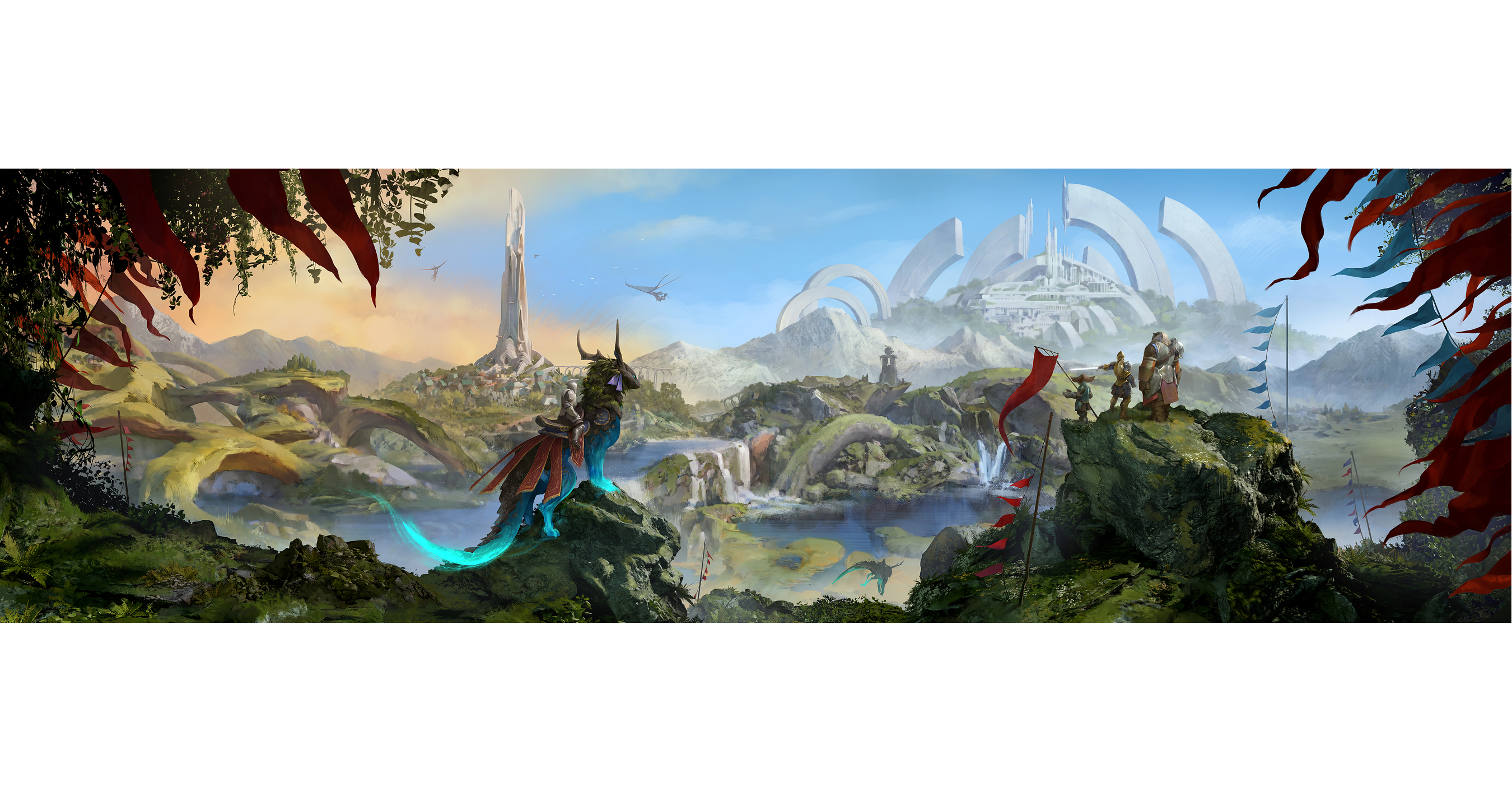
- Square Enix described the game as allowing players to "Explore a World Without Boundaries Alongside Unforgettable Allies", suggesting an open-world design evolution from Rebirth's semi-open regions.
- The announcement was made via the Square Enix Press Hub on the company's official website, not at a live event or press conference.
- Spring 2027 represents a three-year gap between Rebirth's February 2024 release and Revelation's launch window.
Breaking It Down
Square Enix's decision to launch Final Fantasy VII Revelation on four platforms simultaneously represents the most significant strategic pivot in the company's modern history. The Final Fantasy VII Remake project began as a PlayStation 4 exclusive in 2020, with Rebirth following as a PS5 exclusive in 2024. Both titles eventually received PC ports, but with significant delays — Remake arrived on PC 19 months after its PS4 debut, and Rebirth took 11 months to reach PC. The Spring 2027 simultaneous launch eliminates that exclusivity window entirely, suggesting Square Enix has calculated that the revenue from day-one multi-platform sales outweighs any platform holder subsidy.
The Nintendo Switch 2 inclusion is the most surprising element of the announcement. The original Final Fantasy VII has never appeared on a Nintendo console — it was famously developed for the PlayStation after Nintendo chose the cartridge format over CD-ROM for the Nintendo 64. That decision, made in 1996, is widely considered the moment Sony won the console war of that generation. Final Fantasy VII Revelation on Switch 2 closes a 30-year loop.
The "World Without Boundaries" phrasing in Square Enix's press materials indicates a significant design shift from Rebirth's structure. Rebirth featured large but segmented open zones — the Grasslands, Junon, Corel, Gongaga, Cosmo Canyon, Nibelheim, and Meridian regions — each with distinct biomes and quests. A true open-world implementation for Revelation would be unprecedented for the Final Fantasy series, which has historically used either linear corridors or large but disconnected areas. The technical challenge of rendering the Northern Crater, Midgar's return, and the final dungeon sequences in a seamless world will be a major test for Square Enix's internal engine capabilities.
The three-year gap between Rebirth and Revelation is shorter than the four-year gap between Remake and Rebirth, suggesting the development team has established efficient pipelines for asset creation and world-building. However, the simultaneous multi-platform launch introduces significant QA complexity — ensuring consistent performance across PS5, Xbox Series X|S, Switch 2, and PC requires substantially more testing resources than a single-platform launch. Nintendo Switch 2 hardware specifications remain unconfirmed, but the platform is widely expected to use a custom NVIDIA Tegra chip with performance between PlayStation 4 and PlayStation 4 Pro levels, which would require substantial optimization for Revelation's visual fidelity.
What Comes Next
The Spring 2027 launch window leaves approximately 18 months before release, during which Square Enix will likely execute a structured marketing campaign. Several concrete developments are already foreseeable:
-
Holiday 2026 trailer drop: Square Enix will almost certainly release a major gameplay trailer during The Game Awards in December 2026, showing the open-world mechanics and confirming the "World Without Boundaries" system. A Summer 2026 teaser at E3 or Summer Game Fest is also probable.
-
Pre-order and edition announcements by Fall 2026: Collector's editions, digital deluxe versions, and platform-specific bonuses will be detailed approximately six months before launch. The Switch 2 version may include exclusive features leveraging that platform's unique hardware capabilities, such as the rumored magnetic Joy-Con attachment or enhanced portability.
-
Cross-platform save and progression details: Given that many players started Remake on PS4 and continued Rebirth on PS5 or PC, Square Enix will need to clarify whether Revelation supports save transfers across all four platforms. This is a technical and contractual challenge that has not been addressed for previous entries.
-
Final DLC and update roadmap for Rebirth (2026): Square Enix will likely release a final content update for Rebirth in Late 2026, possibly including a "Revelation Prologue" quest or a save-data transfer tool, to bridge the narrative gap and incentivize players to complete the second game before the finale.
The Bigger Picture
This announcement sits at the intersection of two major industry trends: multi-platform day-one releases and franchise anniversary marketing. Square Enix's shift mirrors broader movements by Sony and Microsoft toward releasing first-party titles on PC simultaneously — PlayStation has moved from exclusivity to day-one PC launches with Helldivers 2 (2024) and Marvel's Spider-Man 2 (2025). Square Enix's decision to include Nintendo Switch 2 also reflects the "platform agnostic" strategy that Microsoft has championed with Game Pass and that Epic Games has pushed with cross-platform Fortnite and Unreal Engine deployments.
The 30th anniversary timing is a deliberate nostalgia marketing play. The original Final Fantasy VII is one of the most culturally significant video games ever released, and 2027 will see a wave of commemorative content across Square Enix's portfolio, likely including merchandise, concerts, and possibly a remastered original release. The Remake trilogy itself is a $500 million+ project by conservative estimates, making Revelation one of the highest-stakes game launches of 2027.
Key Takeaways
- [Multi-platform first]: Final Fantasy VII Revelation will launch simultaneously on PS5, Xbox Series X|S, Nintendo Switch 2, and PC in Spring 2027, ending PlayStation exclusivity for the remake trilogy.
- [Nintendo return]: The Switch 2 version marks the first Final Fantasy VII title on a Nintendo platform since the original 1997 release, closing a 30-year platform divide.
- [Open-world shift]: The "World Without Boundaries" description signals a true open-world design for the finale, a first for the Final Fantasy series.
- [30th anniversary tie-in]: The Spring 2027 release window aligns with the original Final Fantasy VII's 30th anniversary, maximizing nostalgia-driven marketing.