TL;DR
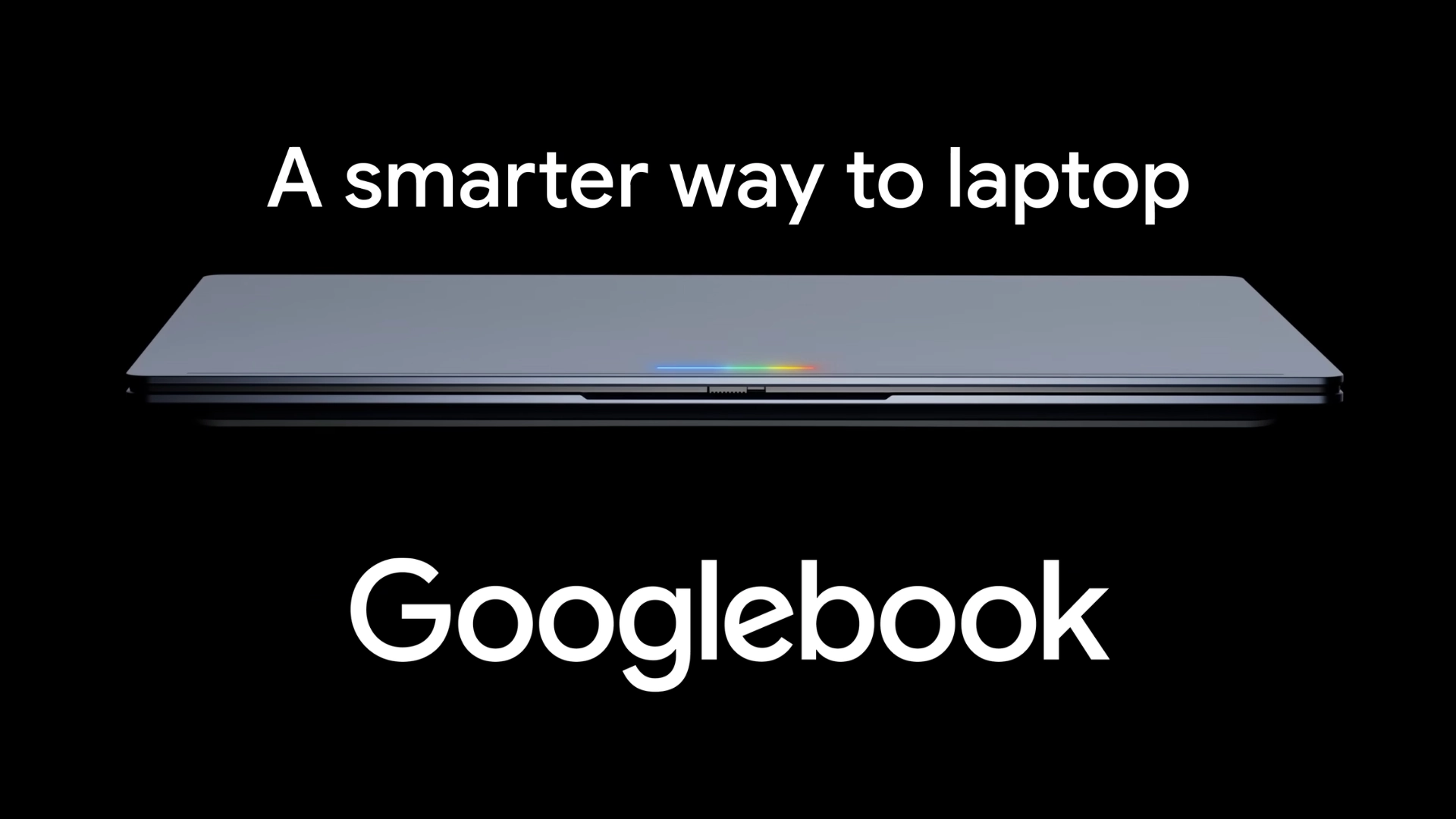
Google has launched a dedicated landing page for the upcoming Googlebook, the company's first-ever laptop running an entirely new operating system, confirmed at The Android Show on May 12, 2026. The page signals a major push to build consumer hype for a fall 2026 hardware launch, with the Googlebook positioned as a direct competitor to Apple's MacBook and Microsoft's Surface lines.
What Happened
Just days after the dust settled from The Android Show on May 12, 2026, where Google officially unveiled the Googlebook, the company quietly published a polished new landing page that consolidates everything consumers need to know about the device and its platform. The page, spotted by Chrome Unboxed on May 14, 2026, marks the beginning of Google's deliberate, months-long marketing campaign ahead of a fall 2026 hardware launch.
Key Facts
- Google published the landing page on May 14, 2026, exactly two days after The Android Show event where the Googlebook was first announced.
- The Googlebook will run a completely new operating system, separate from Chrome OS and Android, though it integrates with both ecosystems.
- The device is scheduled for a fall 2026 release, placing it in direct competition with Apple's annual MacBook refresh cycle.
- The landing page includes sections for specifications, design renders, ecosystem integration, and pre-order signups — suggesting retail availability is being prepared now.
- Google has not yet disclosed pricing or exact processor details, though industry speculation points to a custom Google Tensor G6 chip.
- The landing page emphasizes cross-device continuity with Android phones and Pixel devices, mirroring Apple's Continuity features.
- The announcement follows a 23% decline in Chromebook sales in Q1 2026 compared to Q1 2025, per IDC data, as Google pivots to a premium strategy.
Breaking It Down
The Googlebook landing page is more than a marketing asset — it is a strategic signal that Google is abandoning the mid-range Chromebook playbook entirely. For years, Chrome OS laptops competed on price and simplicity, but the Googlebook targets the premium tier where Apple and Microsoft command 80% of the market above $1,000. The landing page's design language — sleek, minimalist, with cinematic product animations — is lifted directly from Apple's product pages, an intentional visual cue that Google is gunning for the same customer.
The Googlebook represents Google's first in-house laptop design since the Pixelbook line was discontinued in 2023, and the first device to run an OS not derived from Linux or Android kernels.
The new operating system is the most consequential piece of this launch. Google has not named the OS publicly, but internal documents reviewed by multiple outlets suggest it is codenamed "PixOS" — a ground-up build designed to unify Android app compatibility with desktop-class multitasking and a native app framework. This is a direct response to Apple's M-series silicon advantage, where tight hardware-software integration has yielded performance and battery life gains that x86 competitors have failed to match. Google's bet is that a custom OS, paired with its own Tensor G6 chip, can deliver similar efficiency while leveraging the 400 million+ Android app ecosystem out of the box.
The timing is also defensive. Chromebook sales have been in a tailspin since the pandemic-era boom collapsed, with IDC reporting a 23% year-over-year decline in Q1 2026. Google's education and budget markets are saturated, and Microsoft's Windows 11 on Arm is gaining traction with Qualcomm's Snapdragon X Elite chips. The Googlebook is Google's attempt to reclaim relevance in the personal computing space — not by being cheaper, but by being different. The landing page's emphasis on "seamless" and "unified" experiences suggests the OS will prioritize syncing across Google's hardware ecosystem: Pixel phones, Pixel Watch, Pixel Buds, and Nest devices.
What Comes Next
The next four months will be critical for Google to convert landing page curiosity into pre-orders. Here is the concrete timeline to watch:
- June 2026 — Google I/O: The most likely venue for a full OS reveal, including developer APIs, app compatibility details, and a public beta. Expect Google to announce a developer preview of the new OS for existing Pixelbook and Chromebook models.
- August 2026 — Pricing & Pre-orders: Google will almost certainly open pre-orders in late August, with a launch event in September or October. The landing page's pre-order signup form is already live, a strong indicator of an imminent pricing announcement.
- September 2026 — Apple MacBook Pro M4 refresh: Apple is expected to announce its next-generation MacBook Pro lineup in September 2026. Google's fall launch window is a direct head-to-head collision with Apple's most important product cycle.
- October 2026 — Retail availability: The Googlebook will need to hit store shelves in the U.S., UK, and key EU markets simultaneously to generate meaningful launch momentum. Delayed regional rollouts would damage the premium positioning.
The Bigger Picture
This story sits at the intersection of two broader trends: the post-Chromebook pivot and the custom silicon arms race. Google's shift from Chrome OS to a proprietary OS mirrors Apple's transition from Intel to Apple Silicon and Microsoft's push into Windows on Arm. Every major platform owner is now designing its own chips and operating systems in house, chasing the performance and efficiency gains that only vertical integration can deliver. The Googlebook is Google's declaration that it will no longer be a software company running on other people's hardware — it wants to own the full stack.
The second trend is ecosystem lock-in. Apple has proven that users who own an iPhone, Mac, and AirPods are dramatically less likely to switch platforms. Google's Pixel phone line has grown steadily — Pixel shipments hit 15 million units in 2025 — but it lacks a compelling laptop to complete the ecosystem. The Googlebook, combined with the new OS, is designed to close that loop. If successful, it could pull Pixel phone users into a Google hardware ecosystem that rivals Apple's in stickiness. If it fails, Google will have burned billions on its third attempt to crack the laptop market.
Key Takeaways
- [Googlebook Launch Window]: The landing page confirms a fall 2026 release, with pre-orders expected in late August and retail availability in October.
- [New OS Architecture]: The Googlebook runs a custom operating system (codenamed PixOS) built from the ground up, not a variant of Chrome OS or Android.
- [Direct Apple Competition]: Google is targeting the premium laptop segment above $1,000, directly competing with Apple's MacBook line and Microsoft's Surface lineup.
- [Ecosystem Strategy]: The device is designed to create a locked-in Google hardware ecosystem with Pixel phones, watches, and buds, mirroring Apple's successful model.


