TL;DR
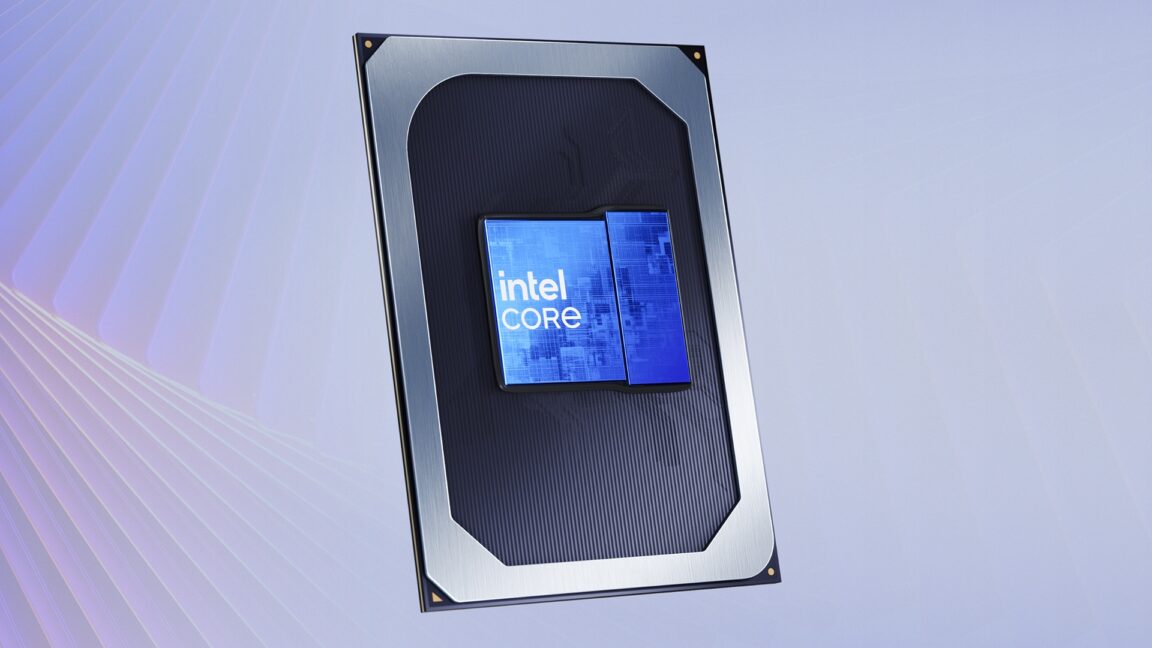
Intel has broken from its multi-year pattern of reserving new silicon for its premium Ultra series, refreshing its mainstream Core i3, i5, and i7 desktop CPUs with the new "Arrow Lake Refresh" architecture. This move signals a strategic shift to combat market share losses to AMD and ARM-based competitors by bringing key performance and efficiency gains to the volume market segment immediately.
What Happened
In a decisive break from its established playbook, Intel Corporation has launched a comprehensive refresh of its mainstream desktop processor lineup, bringing its latest "Arrow Lake Refresh" silicon to non-Ultra Core models for the first time. This means the performance and efficiency improvements previously reserved for the high-end Core Ultra series are now trickling down to the Core i3, i5, and i7 CPUs that power the vast majority of consumer and business desktops, starting with models shipping this quarter.
Key Facts
- Intel confirmed the launch of its "Arrow Lake Refresh" architecture for the mainstream Core i3, i5, and i7 desktop processor families on Thursday, April 16, 2026.
- This marks the first time since the 12th Gen Alder Lake launch in late 2021 that a new Intel microarchitecture has debuted simultaneously across both its Ultra and non-Ultra desktop CPU lines.
- The new chips are built on an enhanced version of Intel 20A process technology, offering a claimed 15–20% generational performance-per-watt improvement over the previous "Raptor Lake Refresh" chips.
- Key architectural upgrades include the integration of Intel's new "Cougar Cove" Performance-cores (P-cores) and the inclusion of a dedicated low-power "E-core" tile for background tasks, a feature previously exclusive to Ultra parts.
- The launch is spearheaded by the Core i7-15700K, a 20-core (8P+12E) chip with a boost clock of 5.8 GHz and a base power rating of 125 watts.
- System integrators like Dell, HP, and Lenovo are expected to have new desktops featuring these CPUs available by late Q2 2026.
- This refresh directly counters AMD's recently launched Ryzen 8000 "Granite Ridge" desktop processors and the growing adoption of Apple Silicon and Qualcomm Snapdragon X Elite chips in the PC market.
Breaking It Down
Intel’s decision to bypass its traditional "tick-tock" cadence—where new architectures debut exclusively at the high end—represents a fundamental strategic recalibration. For years, the company relied on the allure of its Ultra branding to drive premium segment sales, often leaving the volume mainstream market with rehashed versions of older silicon. This refresh shatters that model, indicating that competitive pressures have become too severe to maintain a segmented technology rollout.
The integration of a low-power E-core tile into mainstream Core i5 and i7 chips is projected to reduce package idle power by up to 40% compared to previous-generation equivalents. This single architectural shift is the most tangible evidence of Intel's new volume-first philosophy. By bringing a hallmark efficiency feature of its Ultra chips down-market, Intel is directly addressing one of the most persistent criticisms of its mainstream platforms: high idle power consumption and heat output. This isn't just a minor spec bump; it's a fundamental redesign of the chip's power management substrate to appeal to OEMs building all-in-ones, small form factor PCs, and quieter desktops where thermal and power constraints are critical.
The move is a clear and aggressive response to AMD's consistent gains in the DIY and OEM desktop channels with its Ryzen 8000 series. More significantly, it is a defensive maneuver against the ARM-based incursion led by Apple's M-series and Qualcomm's partnership with Microsoft for Copilot+ PCs. Those competitors have built their value proposition on superior efficiency and battery life, areas where Intel's previous mainstream parts were vulnerable. By accelerating the democratization of its most advanced efficiency tech, Intel is attempting to erase a key competitive differentiator before it becomes an industry standard expectation.
Financially, this strategy carries risk. It potentially cannibalizes sales of the higher-margin Core Ultra 9 series by narrowing the feature gap. However, Intel's calculus appears to be that losing some premium sales is preferable to ceding the entire volume market—which drives platform chipset, Wi-Fi, and Thunderbolt attachment sales—to rivals. This is a play for ecosystem retention as much as it is for CPU socket wins.
What Comes Next
The success of this strategic pivot hinges on execution and market response over the next 12–18 months. The immediate focus will be on supply chain ramp-up and competitive positioning.
- OEM Adoption and Q2 2026 Sales Data: The true test will be the sell-through of systems from Dell, HP, Lenovo, and Acer in the back-to-school and early holiday season. Analyst firms like IDC and Gartner will scrutinize Q2 and Q3 2026 PC shipment reports for signs that Intel's refresh has stalled AMD's momentum or recaptured market share in the commercial desktop segment.
- AMD's Counter-Move and the "Zen 5" Response: All eyes are now on AMD's roadmap. The company is likely to accelerate announcements or adjust pricing for its Ryzen 8000 series and may pull forward details on its next-generation "Zen 5" architecture, expected in 2027, to regain narrative control. A price war in the mainstream desktop segment is a strong possibility by Q3 2026.
- The Lunar Lake Launch and Portfolio Clarity: Later in 2026, Intel will launch its next-generation "Lunar Lake" mobile processors for laptops. How the company differentiates Lunar Lake Ultra chips from these refreshed desktop parts will be critical. If the feature gap is too small, it could confuse consumers; if it's too large, it might make the desktop chips seem outdated quickly.
- Software Optimization and Developer Buy-In: The new hybrid architecture with enhanced E-cores requires continued optimization from Microsoft for Windows 11 (and its successor) and from game/application developers. Intel will need to aggressively support developers to ensure its performance claims are realized in real-world software.
The Bigger Picture
This refresh is a microcosm of two major, converging trends in the semiconductor industry. First, it highlights the end of monolithic CPU strategy. The era of a one-size-fits-all architecture trickling down over two years is over. Competitive intensity now demands that companies like Intel deploy their best-performing or most-efficient silicon across multiple market tiers simultaneously, treating architectures as modular tools to be applied where needed.
Second, it underscores the total platform war beyond raw compute. Intel is no longer just selling CPU performance; it's selling an integrated platform of AI acceleration (via NPUs), connectivity (Wi-Fi 7, Thunderbolt 5), and power management. Bringing new silicon to the mainstream is the fastest way to proliferate these platform technologies and create an ecosystem moat. This battle is no longer just about GHz and core counts—it's about which company can best integrate heterogeneous compute (CPU, GPU, NPU) and deliver a complete system-on-chip experience to the broadest audience.
Key Takeaways
- Strategic Reversal: Intel has abandoned its tiered architecture rollout, bringing its latest silicon to volume-market CPUs immediately to defend against competitive inroads.
- Efficiency Democratized: The inclusion of advanced power management features like a dedicated E-core tile in mainstream chips is a direct response to the efficiency-focused marketing of ARM-based competitors like Apple and Qualcomm.
- Market Defense: This move is primarily defensive, aimed at halting AMD's share gains in desktops and pre-empting the value proposition of ARM-based Windows PCs before they gain scale.
- Margin Pressure: Success risks cannibalizing higher-margin Ultra series sales, indicating Intel prioritizes ecosystem volume and market share protection over pure premium segment profitability in the near term.