TL;DR
Intel’s once-promising NUC mini-PC line, acquired by Asus in 2023, is being resurrected as the Asus ROG NUC 16 — a console-sized gaming machine that reportedly carries a price tag exceeding $2,500. This pricing threatens to undermine the very value proposition that made NUCs popular, raising questions about whether Asus is building for enthusiasts or simply cashing in on a dead brand.
What Happened
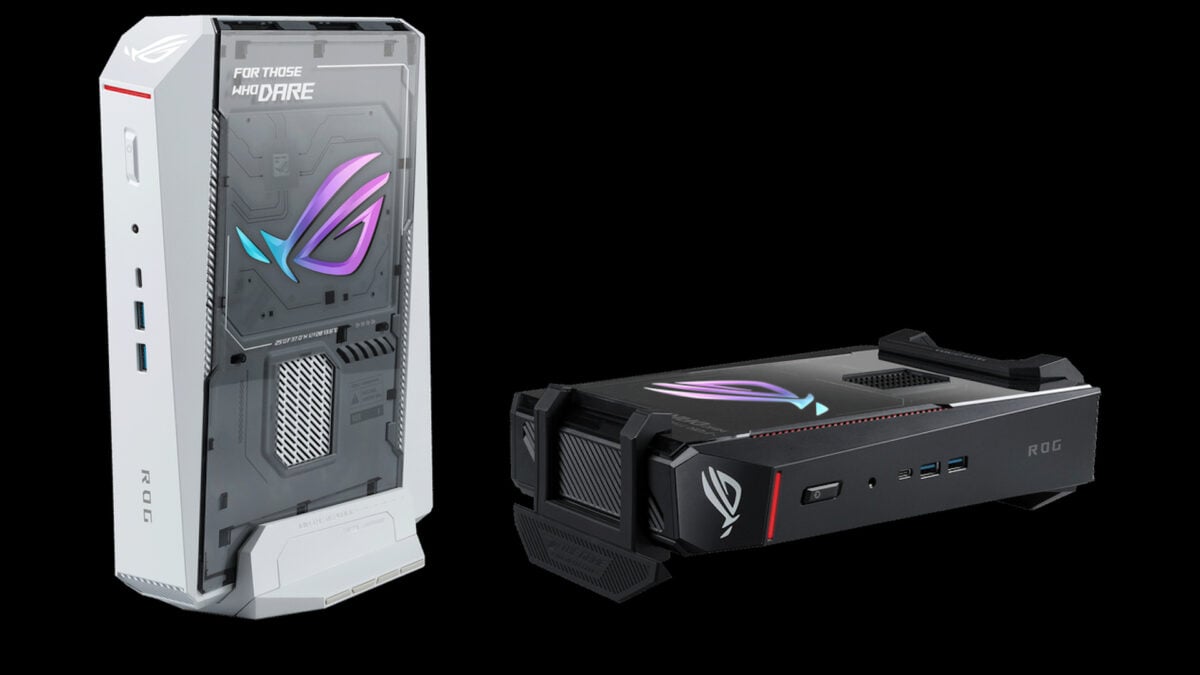
Asus has unveiled the ROG NUC 16, a compact gaming PC that traces its lineage directly to Intel’s defunct Next Unit of Computing (NUC) line — but with a price that Gizmodo reports could exceed $2,500. The machine, first teased at CES in January 2026, is now set for a June 2026 launch, and early leaks suggest it will pack top-tier components into a chassis barely larger than a game console. However, the rumored pricing has already sparked backlash from the enthusiast community, who see the NUC name being repurposed for a premium gaming niche rather than the affordable, modular mini-PCs Intel originally championed.
Key Facts
- Asus acquired Intel’s NUC business in July 2023 for an undisclosed sum, gaining rights to design, manufacture, and sell future NUC products.
- The ROG NUC 16 measures approximately 2.5 liters in volume — about the size of an Xbox Series X — but packs an Intel Core Ultra 9 285H processor and an Nvidia RTX 5090 laptop-class GPU.
- Gizmodo reports the expected price range is $2,499 to $2,999, depending on configuration, with a base model starting at $1,999.
- The system features 32GB of DDR5 RAM (soldered, not upgradeable), a 1TB NVMe SSD, and support for Wi-Fi 7 and Bluetooth 5.4.
- Asus plans to offer two variants: a $1,999 model with an RTX 5070 Ti and a $2,999 model with an RTX 5090.
- The official launch date is June 15, 2026, with pre-orders opening on May 20, 2026.
- Intel’s original NUC line, launched in 2012, was known for sub-$500 starting prices and user-upgradeable components — a stark contrast to this new Asus direction.
Breaking It Down
The Asus ROG NUC 16 represents a fundamental departure from everything Intel’s NUC brand stood for. Intel’s original NUCs were designed as affordable, versatile mini-PCs for home theater enthusiasts, light gaming, and office productivity — often priced under $500 with socketed RAM and M.2 storage that users could swap. The ROG NUC 16, by contrast, is a $2,500+ locked-down gaming appliance with soldered memory and a laptop-grade GPU that cannot be replaced. Asus has effectively taken the NUC name and applied it to a premium gaming niche that already has established competitors like the Intel NUC 13 Extreme (which also cost over $2,000) and the Zotac ZBOX Magnus series.
The ROG NUC 16’s $2,999 top-end configuration costs more than building a comparably performing full-sized desktop PC with an RTX 5090 and an AMD Ryzen 7 9800X3D — which would also be fully upgradeable.
This pricing math is brutal for Asus. A DIY builder can assemble a mini-ITX system with a Ryzen 7 9800X3D (around $480), an RTX 5090 (around $2,000), 32GB of DDR5 RAM ($100), a 1TB NVMe SSD ($80), a quality 750W power supply ($120), and a compact case like the Cooler Master NR200 ($80) — totaling roughly $2,860, with full upgradeability. The ROG NUC 16 costs more yet locks the buyer into a non-upgradeable platform. For the $1,999 base model, a comparable DIY build with an RTX 5070 Ti would cost around $1,700, saving $300 while retaining upgrade options.
The target audience, then, is not the value-conscious PC gamer. It is the affluent enthusiast who values form factor above all else — someone willing to pay a 30–40% premium for a system that fits inside a backpack and can be moved between rooms or taken to LAN parties. Asus is betting that the "NUC" brand, which once stood for affordability, now carries enough nostalgia and recognition to justify the premium. But this strategy risks alienating the very community that made NUCs successful in the first place: tinkerers, modders, and budget-conscious builders.
What Comes Next
- Pre-order launch on May 20, 2026 — Early pricing and availability will be confirmed. Watch for whether Asus offers a "barebones" version without RAM/SSD, which could lower the entry price and restore some upgradeability.
- First independent reviews expected in late May 2026 — Thermal performance will be critical: squeezing an RTX 5090 and a Core Ultra 9 into a 2.5-liter chassis with a single 120mm liquid cooler will test Asus’s engineering. Expect comparisons to the Fractal Terra and FormD T1 custom builds.
- June 15, 2026 official launch — Sales data from the first month will reveal whether the premium pricing is sustainable. If units sit on shelves, Asus may be forced to cut prices or offer bundle deals.
- Potential impact on Asus’s broader mini-PC lineup — If the ROG NUC 16 succeeds, Asus may expand the NUC brand into other premium niches (e.g., workstation NUCs, streaming-focused NUCs). If it fails, the NUC line may be quietly retired for a second time.
The Bigger Picture
This story sits at the intersection of two major trends: the death of upgradeable PCs and the rise of "appliance" gaming. Asus is following the same playbook as Apple with its soldered Mac minis and Sony with the PlayStation 5 Pro — creating sealed, non-upgradeable devices that trade repairability for compactness and simplicity. The difference is that Apple and Sony control their entire software ecosystems; Asus is selling a Windows machine that will be obsolete in 3–4 years when the soldered GPU can no longer run new games at acceptable settings.
The second trend is brand acquisition and dilution. When Asus bought Intel’s NUC business in 2023, many hoped it would continue the line’s legacy of affordable, user-friendly mini-PCs. Instead, Asus has taken the brand upmarket, following the same path HP took with its Omen gaming line and Dell took with Alienware — leveraging brand equity to justify higher margins. This strategy can work in the short term, but it risks destroying the brand’s identity. If the ROG NUC 16 becomes synonymous with "overpriced gaming appliance," Intel’s original vision of accessible computing will be fully erased.
Key Takeaways
- [Premium Pricing]: The ROG NUC 16 starts at $1,999 and tops out at $2,999, making it 30–40% more expensive than a comparable DIY build with full upgradeability.
- [Soldered Components]: The RAM is soldered and the GPU is a laptop-class chip, meaning the system cannot be meaningfully upgraded — a stark break from Intel’s original NUC philosophy.
- [Niche Audience]: Asus is targeting affluent enthusiasts who prioritize size over value, not the budget-conscious tinkerers who made NUCs popular.
- [Brand Risk]: By repurposing the NUC name for a premium gaming appliance, Asus risks alienating the core community and diluting the brand’s identity beyond recovery.