TL;DR
Tudor has launched its first-ever ceramic bracelet for the Black Bay line, a major materials breakthrough for the brand, alongside a new five-link "Jubilee" style bracelet for its Black Bay GMT. These releases signal a strategic shift for Tudor, moving beyond vintage-inspired design to directly challenge competitors in the high-end materials and integrated bracelet segments.
What Happened
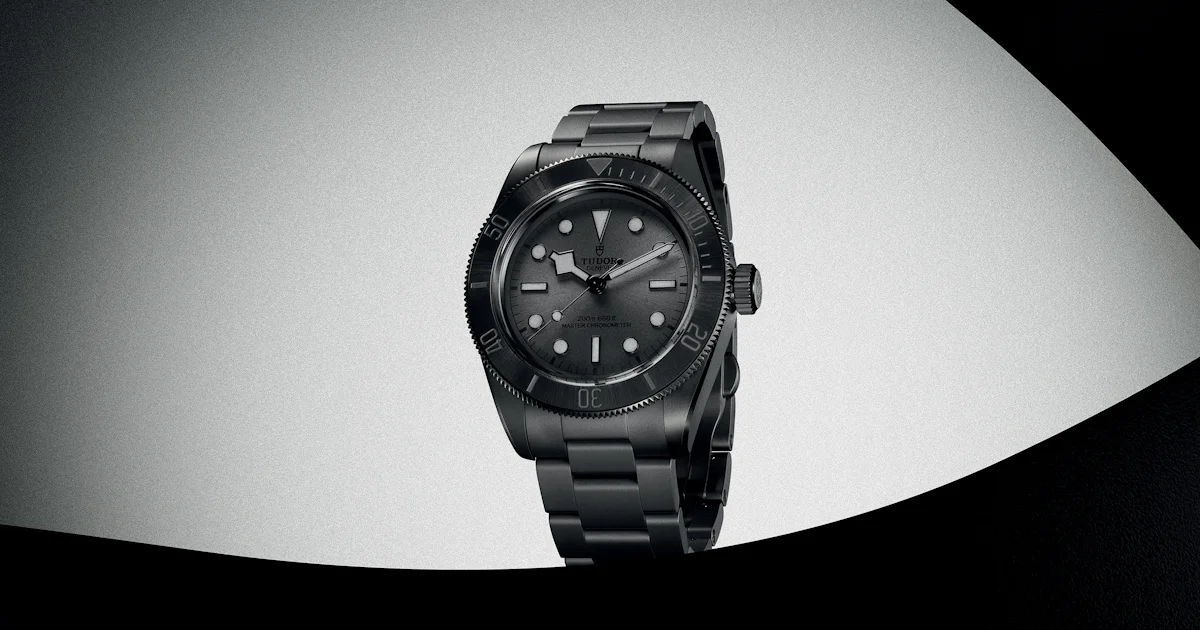
On Tuesday, April 14, 2026, Tudor Watches unveiled two significant bracelet innovations that redefine the brand's approach to case integration and material science. In a move that breaks from its historical playbook, the brand introduced a fully ceramic bracelet for its popular Black Bay dive watch and a new, more refined five-link metal bracelet option for the Black Bay GMT.
Key Facts
- Tudor released two new bracelet systems on April 14, 2026: a full ceramic bracelet for the Black Bay and a new five-link "Jubilee" style for the Black Bay GMT.
- The Black Bay Ceramic Bracelet is Tudor's first-ever production bracelet made entirely from ceramic, marking a significant materials milestone.
- The new five-link bracelet for the Black Bay GMT is crafted from 316L stainless steel and is designed as a more dress-oriented alternative to the standard "riveted" Oyster-style bracelet.
- Both bracelets feature Tudor's "T-Fit" clasp system, which allows for 8mm of on-the-fly micro-adjustment without tools.
- The ceramic bracelet is initially offered as an accessory purchase for existing Black Bay owners, with pricing and full compatibility details to be announced.
- The new GMT bracelet is available as a factory option on new Black Bay GMT models and will also be sold separately through Tudor retailers.
- These launches follow a broader industry trend of watch brands focusing on proprietary, integrated bracelet designs as a key point of differentiation.
Breaking It Down
Tudor’s announcement is not a simple accessory update; it is a calculated two-pronged strategy targeting different segments of the sports watch market. The ceramic bracelet represents a foray into advanced materials, a territory historically dominated by its sister brand, Rolex, and competitors like Omega and Hublot. By developing a monobloc ceramic bracelet—a component far more complex to manufacture than a ceramic bezel insert—Tudor is signaling its technical ambitions and appealing to a clientele that values cutting-edge, scratch-resistant materials. This move elevates the Black Bay from a purely heritage-focused tool watch to a modern luxury object.
The simultaneous release of the five-link bracelet for the Black Bay GMT addresses a different, but equally critical, market desire: versatility. The classic Black Bay GMT, while beloved, has often been critiqued for the perceived bulk and overtly tool-watch aesthetic of its standard bracelet. The new design, with its finer links and more supple drape, directly answers calls for a option that bridges the gap between sport and elegance. It makes the watch more suitable for a wider range of occasions, from travel to formal settings, thereby increasing its daily wearability and value proposition.
The ceramic bracelet launch is Tudor's most significant materials advancement since the introduction of its in-house METAS-certified movements.
This statement underscores the strategic weight of this release. For years, Tudor’s narrative has been built on value, heritage, and robust in-house mechanics. The ceramic bracelet is the first major hardware innovation that isn't movement-related, proving the brand is investing heavily in case and bracelet technology. It directly challenges the perception that Tudor is always a step behind in materials science. The success of this component will be closely watched, as it could pave the way for future full-ceramic Tudor watches, a product category that would compete in a much higher price bracket.
Furthermore, by offering the ceramic bracelet as an accessory first, Tudor is employing a clever, low-risk market test. It allows the brand to gauge consumer interest and production capacity without committing to a full watch launch. This accessory-first strategy also fosters brand loyalty, giving existing Black Bay owners a pathway to refresh and personalize their watches, effectively creating a new revenue stream from its established customer base.
What Comes Next
The immediate aftermath of this announcement will focus on market reception and logistical rollout. The accessory model for the ceramic bracelet presents unique challenges and opportunities that will shape Tudor's next moves.
- Pricing and Availability Clarification (Q2 2026): The most pressing question is the cost of the standalone ceramic bracelet. Its price point will be a major determinant of its success. Industry analysts will watch to see if it is positioned as an attainable upgrade or a premium luxury item. Simultaneously, Tudor will need to clearly communicate which specific Black Bay references (case sizes, materials, and model years) are compatible.
- Retailer Training and Inventory Rollout: Tudor’s global network of authorized dealers will need to be supplied with demonstration models and technical specifications for both bracelets. The success of the accessory strategy hinges on a seamless customer experience at the point of sale, where sales staff must be knowledgeable about compatibility and installation.
- Market Response and Secondary Market Activity: The watch community’s reaction, particularly on forums and social media, will be immediate. The secondary market will also be a key indicator; if demand for the ceramic bracelet outstrips supply, we may see these accessories being resold at a premium, similar to coveted OEM straps from other brands.
- Potential for a Full Ceramic Black Bay Launch (2027-2028): If the bracelet is a commercial and critical success, it is almost inevitable that Tudor will unveil a complete Black Bay watch with a matching ceramic case. The announcement of such a model would be the logical culmination of this materials development program and would represent Tudor's most direct entry into the high-tech materials arena.
The Bigger Picture
Tudor’s bracelets are a microcosm of two dominant trends in contemporary watchmaking. The first is the materials arms race, where brands are no longer competing solely on design and movement but on proprietary alloys, ceramics, and composites. Tudor’s ceramic bracelet is a direct entry into this competition, moving the brand beyond stainless steel and bronze.
The second, related trend is the rise of the integrated bracelet as a brand signature. In an era where third-party strap options are ubiquitous, the bracelet has become the last bastion of proprietary design. Brands like Audemars Piguet (Royal Oak), Patek Philippe (Nautilus), and more recently, Czapek, have shown that a distinctive, integrated bracelet is a powerful brand identifier and a driver of desirability. Tudor’s new five-link design for the GMT and the technical statement of the ceramic bracelet are clear efforts to strengthen its own visual identity and make its watches less "modular" and more cohesive as designed objects.
Key Takeaways
- Materials Milestone: Tudor’s first ceramic bracelet is a major technological leap, moving the brand beyond its heritage-focused roots into direct competition in the advanced materials segment.
- Strategic Versatility: The new five-link GMT bracelet is a direct response to market demand for a more dress-capable option, strategically broadening the appeal and functionality of one of Tudor’s core models.
- Accessory-First Strategy: Launching the ceramic bracelet as an accessory is a low-risk method to gauge demand, foster owner loyalty, and create a new revenue stream before a potential full-watch launch.
- Brand Evolution Signal: Together, these releases signify Tudor’s confident evolution from a value-oriented alternative to an innovator with distinct design and engineering ambitions.