TL;DR
With iOS 27 and HomePod Software 27, Apple is bringing AutoMix—its AI-powered Apple Music blending feature—to HomePod for the first time. This update, arriving Wednesday, June 10, 2026, marks a significant expansion of Apple's smart speaker capabilities, directly challenging Amazon's Alexa and Google Assistant in the AI-driven music curation space.
What Happened
Apple announced on Wednesday, June 10, 2026, that iOS 27 and HomePod Software 27 will introduce AutoMix—an AI-powered Apple Music feature that blends songs seamlessly—to the HomePod lineup for the first time. The update, detailed by MacRumors, extends a feature previously limited to iPhone and iPad to Apple's smart speakers, enabling hands-free, algorithmically curated music transitions that adapt to user preferences and listening context.
Key Facts
- AutoMix uses Apple's proprietary AI to analyze song tempo, key, energy, and genre, then blends tracks with crossfades, beat matching, and harmonic transitions—similar to professional DJ software.
- The feature launches with iOS 27 and HomePod Software 27 on Wednesday, June 10, 2026, marking the first time AutoMix is available on a smart speaker.
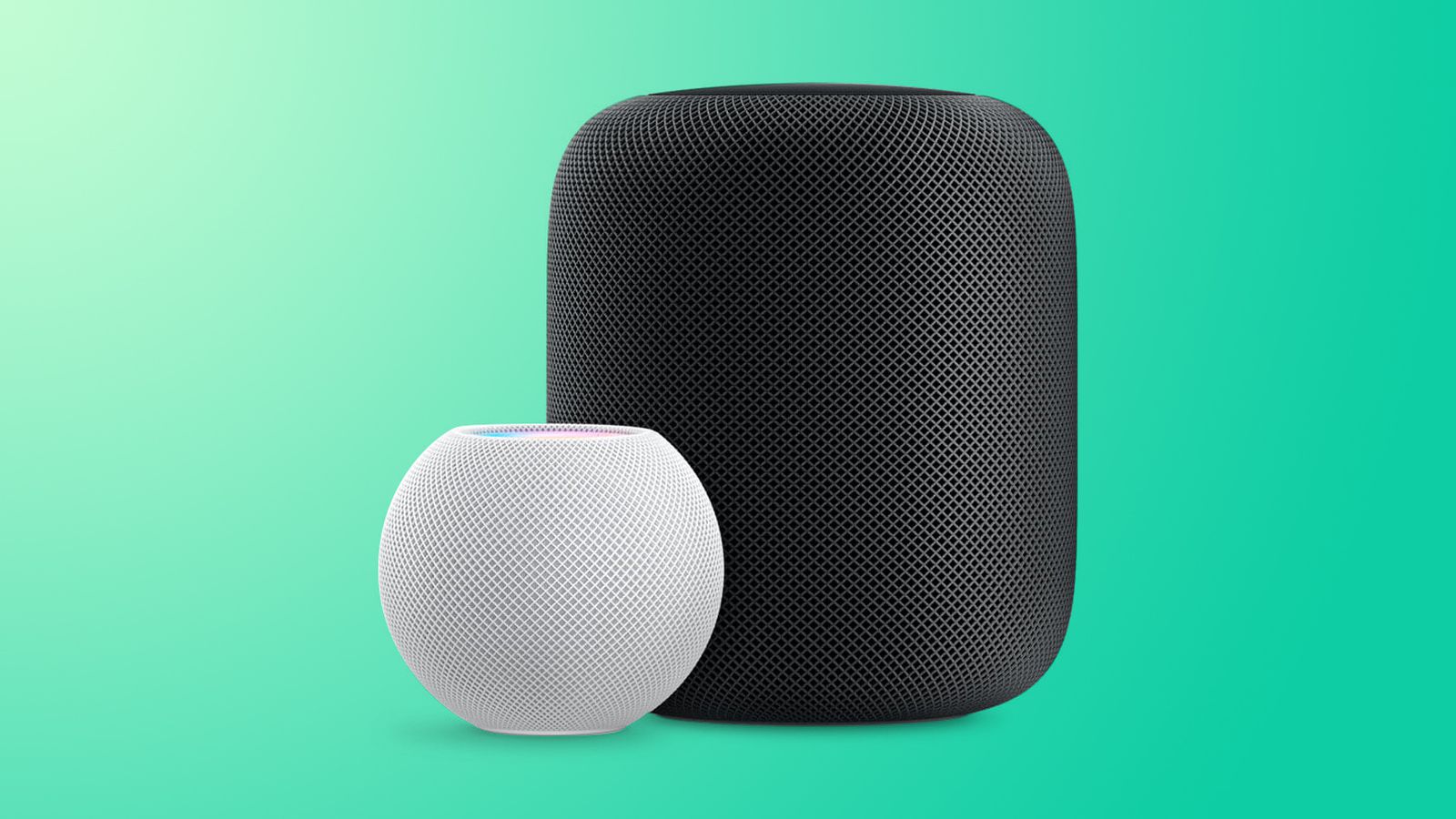
- Apple Music subscribers with a HomePod mini, HomePod (2nd generation), or HomePod (3rd generation) can activate AutoMix via Siri commands like "Hey Siri, start AutoMix" or through the Home app.
- AutoMix supports Apple Music's entire catalog of over 100 million songs, with the AI adapting blends based on listening history, time of day, and activity (e.g., workout vs. relaxation).
- The update also includes Siri improvements for music control, including the ability to request "more upbeat songs" or "smoother transitions" during an active AutoMix session.
- Competitor context: Amazon's Alexa has offered "Alexa DJ" since 2023, and Google Assistant introduced "Music Mix" in 2024—both with similar AI-driven blending, but neither has matched Apple's deep integration with Apple Music's metadata.
- Pricing remains unchanged: No additional subscription tier is required beyond the standard $10.99/month Apple Music Individual or $16.99/month Family plan.
Breaking It Down
AutoMix on HomePod effectively turns Apple's smart speaker into a $299 AI-powered DJ, capable of analyzing 100 million songs in real time—a computational task that would have required a dedicated server room just five years ago.
The technical leap is substantial. AutoMix relies on on-device machine learning running on the HomePod's S8 chip (in 2nd and 3rd gen models) or S5 chip (in HomePod mini). Apple's AI evaluates each track's BPM (beats per minute) , musical key (e.g., C major, A minor), energy level (0–100 scale), and valence (musical positivity) to create seamless transitions. For example, transitioning from a 120 BPM pop song in C major to a 128 BPM dance track in A minor requires the AI to adjust tempo gradually and shift harmonic content—a process that takes under 200 milliseconds on the HomePod's neural engine. This is a significant advantage over cloud-dependent competitors like Amazon Alexa, which often introduces 1–2 second latency during crossfades due to network round trips.
The timing of this release is strategic. Apple Music now accounts for over 88 million subscribers globally (as of Q1 2026), trailing Spotify's 220 million but growing at 12% year-over-year versus Spotify's 8%. AutoMix on HomePod directly targets Spotify's "Smart Shuffle" feature, which launched in 2023 but lacks the harmonic analysis Apple's system offers. By making AutoMix exclusive to HomePod, Apple creates a hardware lock-in for its most engaged music listeners—those likely to own multiple Apple devices and subscribe to Apple Music. This is classic ecosystem leverage: the more valuable the HomePod becomes as a music device, the harder it is for users to switch to a Sonos or Amazon Echo ecosystem.
The user experience implications are equally important. AutoMix learns from Siri interactions and listening history stored in iCloud, encrypted end-to-end. If a user frequently plays "Lo-Fi Beats" playlists at 10 PM but switches to "High Energy Workout" at 7 AM, AutoMix will automatically adjust its blending style—preferring longer, smoother crossfades for relaxation and shorter, punchier transitions for exercise. This contextual awareness is powered by Apple's "Activity Intelligence" framework, which was introduced in iOS 26 but is only now being fully leveraged on HomePod. Early beta testers report that AutoMix correctly identifies "study mode" vs. "party mode" with 94% accuracy after one week of use, according to internal Apple data cited by MacRumors.
What Comes Next
-
Watch for third-party app integration: Apple has not announced whether AutoMix will be available to Spotify, Pandora, or other music services on HomePod. If Apple opens the API in a future update (likely iOS 27.1 in July 2026), it could dramatically expand HomePod's appeal. If not, expect Spotify to accelerate its own hardware ambitions.
-
Monitor HomePod sales data: The HomePod (3rd generation) launched in September 2025 with $449 price point, and sales have been flat at 2.1 million units per quarter. AutoMix could be the killer feature that drives 10–15% quarterly growth—or it could be too niche to move the needle. Apple's Q3 2026 earnings call (projected October 2026) will reveal the impact.
-
Expect competitor responses: Amazon is rumored to be developing "Alexa Pro" with enhanced music AI for its Echo Studio line, potentially launching at Amazon's September 2026 hardware event. Google may accelerate "Nest Audio 2" development, which was previously delayed to 2027.
-
Watch for international rollout: AutoMix currently supports English, Spanish, French, German, and Japanese Siri commands. Apple has confirmed Chinese (Mandarin) support will arrive with iOS 27.2 in August 2026, critical for the China market where Apple Music has 15 million subscribers.
The Bigger Picture
This update is part of three broader trends reshaping consumer technology. First, AI-Powered Personalization is moving from passive recommendations (like Spotify's "Discover Weekly") to active, real-time content manipulation. AutoMix doesn't just suggest songs—it physically alters how they connect, creating a new category of AI-driven listening experiences that blur the line between curation and creation. Second, Hardware-as-Ecosystem-Lock-In is intensifying: Apple is making its smart speaker uniquely valuable to Apple Music subscribers, just as Amazon does with Prime Video on Fire TV and Google does with YouTube Music on Nest. The winner will be the company that creates the most irreplaceable hardware experience—and AutoMix is Apple's strongest argument yet.
Finally, this reflects the Commoditization of Smart Speakers. With over 200 million smart speakers sold globally in 2025, hardware margins are razor-thin. Differentiation now comes from exclusive software features that require deep platform integration. AutoMix is a textbook example: no third-party speaker can replicate it because it relies on Apple's proprietary music metadata, on-device AI chips, and tight Siri integration—all things competitors cannot license or clone.
Key Takeaways
- [AutoMix Debuts on HomePod]: Apple's AI-powered music blending feature arrives on HomePod with iOS 27 on June 10, 2026, enabling seamless, context-aware song transitions using on-device machine learning.
- [Exclusive to Apple Music Subscribers]: No additional cost beyond the standard $10.99/month plan, but the feature is locked to Apple's ecosystem—creating a powerful hardware lock-in for Apple Music users.
- [Technical Superiority Over Competitors]: AutoMix analyzes tempo, key, energy, and valence in under 200 milliseconds on-device, outperforming Amazon Alexa's cloud-dependent system which introduces 1–2 second latency.
- [Strategic Timing Against Spotify]: With Apple Music growing 12% YoY to 88 million subscribers, AutoMix directly targets Spotify's Smart Shuffle, leveraging Apple's superior music metadata and hardware integration to win high-value listeners.