TL;DR
Amazon Studios has ordered a comprehensive rewrite of the scripts for its high-profile Mass Effect television adaptation, mandating that the story be made "more appealing to non-gamers." This directive, issued to showrunner Tony Gilroy and his team, signals a pivotal and potentially risky strategic shift for one of the most anticipated video game adaptations in development, prioritizing broad streaming appeal over fidelity to a beloved, complex sci-fi franchise.
What Happened
In a move that has sent shockwaves through both the entertainment and gaming industries, Amazon Studios has fundamentally altered the course of its planned Mass Effect television series. The studio has formally instructed the creative team, led by showrunner Tony Gilroy, to rewrite the existing scripts with a primary directive: to make the narrative more accessible to audiences unfamiliar with the iconic video game series.
Key Facts
- Amazon Studios has mandated a full rewrite of the Mass Effect TV series scripts, with the explicit goal of making them "more appealing to non-gamers."
- The directive was delivered to Tony Gilroy, the veteran showrunner and writer known for Andor and the Bourne franchise, who is spearheading the adaptation.
- The project is a collaboration between Amazon MGM Studios and Electronic Arts' (EA) production arm, with the game publisher heavily involved in safeguarding its flagship sci-fi IP.
- This news follows the April 2026 confirmation of the series order, which came after years of speculation and a competitive bidding process won by Amazon.
- The Mass Effect game franchise, created by BioWare, has sold over 22 million copies worldwide and is renowned for its deep lore, player-driven choices, and intricate character relationships.
- The reported rewrite suggests a significant departure from earlier assurances that the adaptation would honor the "rich narrative and complex universe" of the source material.
Breaking It Down
The rewrite order represents more than a routine creative adjustment; it is a strategic intervention that strikes at the core challenge of adapting dense, interactive science fiction for a passive viewing audience. Amazon’s mandate to prioritize "non-gamers" reveals a calculated bet on the vast, generalist subscriber base of Prime Video, which numbers in the hundreds of millions globally. The studio is likely applying lessons from its mixed-bag adaptation history—contrasting the broad success of The Boys with the niche appeal and cancellation of more conceptually dense sci-fi like The Peripheral—to de-risk a project with a reported nine-figure budget. For Tony Gilroy, celebrated for bringing moral complexity and political grit to Andor, this directive creates a tension between creative integrity and corporate strategy, forcing a balance between the existing fanbase's expectations and the algorithmic demands of mass-market streaming.
The central creative tension lies in distilling a narrative experience defined by over 100 hours of player-driven content across a trilogy into a coherent, linear television format without alienating its core constituency.
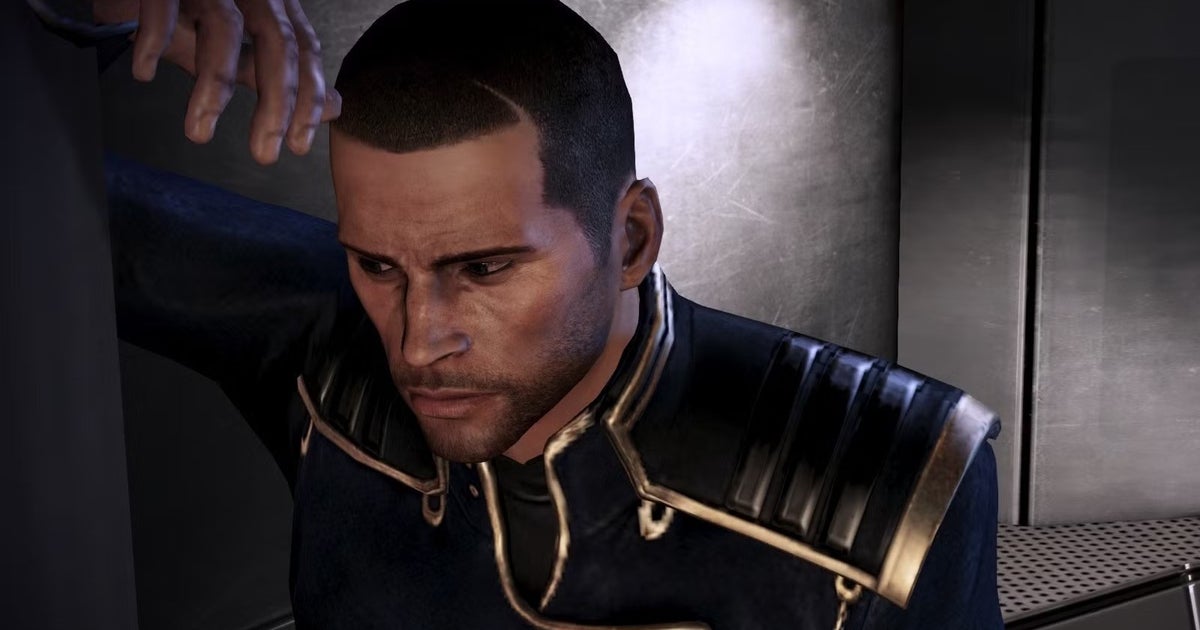
This figure underscores the monumental task of adaptation. The Mass Effect trilogy’s power derives from cumulative, personalized choices—the Paragon/Renegade morality system, squadmate loyalties, and the fate of entire species—that a traditional TV show cannot replicate. A faithful adaptation would inherently be "for gamers," as it would traffic in deep-cut lore, familiar character beats, and the existential threat of the Reapers. Amazon’s push for broader appeal likely necessitates simplifying this mythology, potentially streamlining the roster of alien species, reducing technobabble about mass effect fields and eezo, and centering a more conventional, action-oriented hero’s journey around Commander Shepard. The risk is creating a product that feels generic to fans and fails to capture what made the IP unique in the first place.
The involvement of Electronic Arts adds a critical layer of corporate diplomacy to this process. EA has a vested interest in protecting the long-term value of the Mass Effect brand, especially with a new game in the franchise reportedly in early development. The publisher’s approval of this new direction suggests a consensus that the franchise’s future growth lies beyond its core gaming audience. However, alienating the dedicated fanbase could backfire, damaging goodwill for both the show and any upcoming interactive installments. This dynamic makes the writers’ room a battleground not just for creative vision, but for brand management across two distinct but linked industries.
What Comes Next
The immediate future of the Mass Effect series will be defined by the execution of this rewrite and the industry’s reaction to it. The production timeline, which previously aimed for a 2027 or 2028 release, is now almost certainly delayed.
- The Gilroy Team’s Revised Drafts: The first concrete outcome will be the delivery of rewritten scripts by Tony Gilroy and his writing staff. The industry will closely watch for any leaks or official synopses that reveal the scale of the changes—whether it’s a tonal shift, a condensed plot, or a reimagined protagonist.
- Casting and Production Timeline: Significant casting announcements for key roles like Shepard, Garrus, and Liara will be the next major milestone. Any further delays in green-lighting production will signal ongoing creative struggles. A firm start date for filming will be the clearest indicator that Amazon is satisfied with the new direction.
- Fan and Critical Reaction to First Look Material: When the first teaser, trailer, or official images are released, the reaction from the established Mass Effect community will be immediate and intense. This early feedback will set the narrative for the show’s launch and pressure Amazon’s marketing strategy.
- The Broader Adaptation Landscape: The success or failure of this strategy will be studied by every studio with a major game IP in development. It will serve as a high-profile test case for the "broad appeal" model versus the "fandom-first" approach seen in projects like HBO’s The Last of Us.
The Bigger Picture
Amazon’s decision is a direct reflection of the Convergence and Tension Between Gaming and Streaming. As streaming services exhaust traditional IP libraries, video games have become the last great frontier for franchise mining. However, this incident highlights the inherent conflict: games are experiential and participatory, while television is observational. Amazon’s mandate exposes a studio belief that direct translation is commercially risky, and that true success requires transmuting a game into a more universally recognizable form of genre television.
Furthermore, this move is emblematic of Algorithm-Driven Content Strategy. Amazon’s vast trove of viewership data on Prime Video informs what "broad appeal" looks like—likely pointing toward faster pacing, clearer moral stakes, and reduced narrative complexity. The rewrite is not merely an artistic choice but a data-informed one, aiming to fit the Mass Effect universe into proven engagement models for sci-fi and action series. This trend risks homogenizing adaptations, stripping them of the unique, often niche qualities that made the source material compelling to its original audience.
Key Takeaways
- Strategic Pivot: Amazon is deliberately shifting the Mass Effect adaptation from a fandom-centric project to a mass-market play, betting that broad Prime Video subscriber appeal outweighs the risk of alienating the game’s core audience.
- The Adaptation Dilemma: This conflict underscores the fundamental challenge of translating a deeply interactive, choice-driven RPG narrative into a passive linear format, forcing difficult compromises between fidelity and accessibility.
- Corporate Calculus: The involvement of both Amazon and EA shows that the project’s goals extend beyond a single show; it is a cross-platform brand investment where television success is meant to amplify the value of the entire gaming IP.
- Industry Bellwether: The reception and performance of this rewritten Mass Effect will become a critical case study, influencing how other studios approach high-budget, complex game adaptations for years to come.