TL;DR
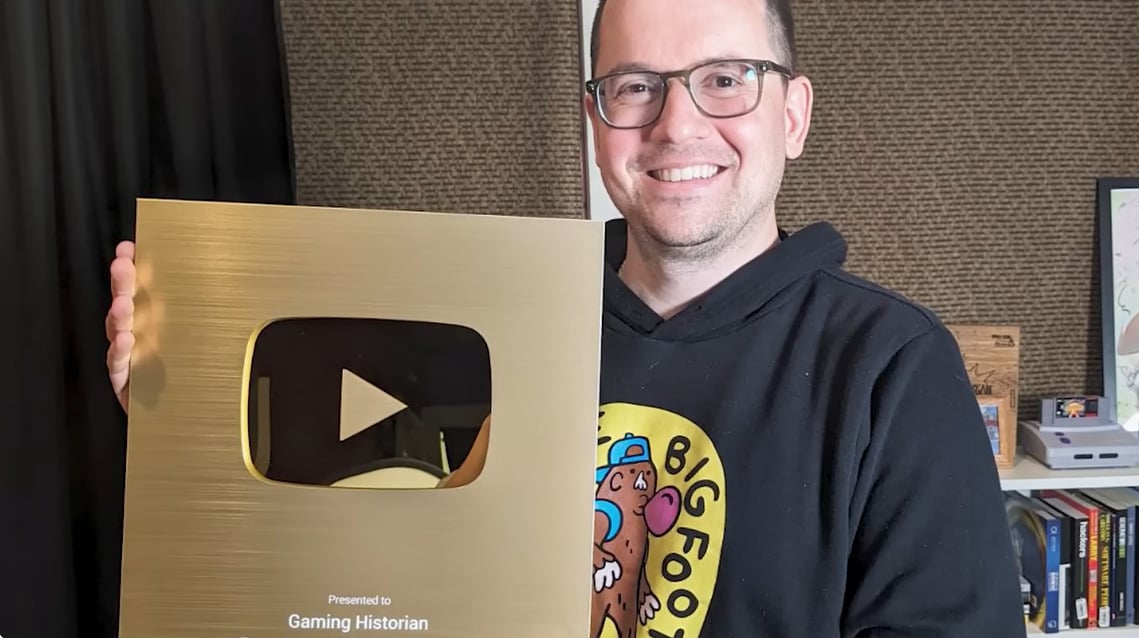
Norman Caruso, the creator behind the acclaimed YouTube documentary series The Gaming Historian, has announced he is stepping back from regular production after 15 years. His final project for the foreseeable future is a feature-length documentary on the legal saga of King of Kong, a parting gift that underscores his legacy of deep-dive, archival-focused storytelling in an era of algorithm-driven content.
What Happened
The digital archive of video game history lost one of its most meticulous curators this weekend. Norman Caruso, the researcher and filmmaker behind the celebrated YouTube channel The Gaming Historian, announced he is "stepping back" from regular content creation, citing a loss of creative spark after producing documentaries for over a decade and a half. His final scheduled project is a comprehensive documentary on the legal battles surrounding the 2007 film The King of Kong: A Fistful of Quarters.
Key Facts
- Norman Caruso announced his hiatus in a community post on his YouTube channel, which boasts 1.08 million subscribers, on Saturday, April 4, 2026.
- The channel, The Gaming Historian, launched in 2011 and became renowned for its feature-length documentary style, distinct from typical fast-cut gaming YouTube content.
- Caruso’s final major project is a documentary on the legal aftermath of The King of Kong, focusing on lawsuits involving Billy Mitchell and Twin Galaxies over disputed Donkey Kong high scores.
- The channel’s most popular video, "The Story of the Nintendo PlayStation," has garnered over 16 million views and is cited by journalists and historians.
- Caruso cited creative burnout and the increasing pressure of the YouTube algorithm as key factors in his decision to step back.
- His work was financially supported primarily through crowdfunding platforms like Patreon and direct sales of merchandise, rather than ad-revenue reliance.
- The announcement follows a broader trend of founding-era gaming YouTubers retiring or shifting focus, including John "TotalBiscuit" Bain (posthumous legacy management) and James Stephanie Sterling's departure from mainstream gaming coverage.
Breaking It Down
Norman Caruso’s departure is not merely another YouTuber quitting; it represents the quiet sunset of a specific, research-intensive era of game history preservation on the platform. The Gaming Historian stood in stark contrast to the reactive, personality-driven, and algorithm-optimized content that dominates gaming YouTube. Caruso’s episodes were meticulously produced, often taking months of research, archival footage acquisition, and interviews, resulting in polished documentaries that felt more akin to PBS or BBC Four productions than typical web content. This model, while critically acclaimed, operated at a pace fundamentally at odds with YouTube’s core mechanics, which reward frequent uploads and high engagement metrics.
Caruso’s Patreon, which at its peak supported a small team, saw a gradual decline from over 8,000 patrons in 2022 to just under 4,000 at the time of his announcement.
This financial trend is analytically crucial. It underscores the unsustainable economics of high-cost, low-frequency documentary work on a platform built for volume. While Patreon and direct sales provided independence from YouTube’s ad-pocalypse fluctuations, they also tethered the project directly to a volatile fanbase. As viewer habits shifted towards shorter-form content on platforms like TikTok and YouTube Shorts, the subscriber base’s willingness to fund marathon research projects waned. Caruso’s model was a beautiful anomaly, but one that ultimately could not defy the gravitational pull of the platform’s built-in incentives.
The choice of his final topic—the King of Kong legal wars—is a fitting capstone. It reflects his channel’s core mission: excavating the complex, often messy human stories behind gaming’s icons and myths. While others covered the drama as gossip, Caruso promised a forensic examination of court documents and firsthand accounts. This commitment to primary sources set him apart from the vast majority of gaming commentators, establishing The Gaming Historian as a rare secondary source trusted by academics and journalists. His stepping back leaves a significant void in this niche, as few channels possess the patience, skill, or funding to execute projects with similar depth and rigor.
What Comes Next
The immediate future involves the completion and release of the King of Kong documentary, which Caruso has stated is in its final editing stages. Beyond that, the channel will enter a state of indefinite hiatus, with no schedule for new Gaming Historian episodes. The announcement triggers several concrete developments to monitor:
- The release and reception of the final documentary, slated for May 2026. Its performance—in views, Patreon bumps, and critical response—will be a final metric of the audience for this content type.
- The fate of the channel’s extensive back catalog. Caruso has not indicated plans to privatize videos, meaning his 15-year archive will remain a public resource. Its longevity as a reference tool is now assured, but static.
- A potential shift in the documentary gaming niche. Competitors like Ahoy (known for his Iconic Arms series) and Noah Caldwell-Gervais operate with similar depth but different formats. They may see an influx of displaced viewers, or conversely, increased pressure as the last bastions of long-form analysis.
- Caruso’s personal and professional pivot. In his statement, he left the door open for occasional updates or passion projects, but ruled out a return to a regular schedule. His next moves, whether within gaming or beyond, will be closely watched by his dedicated community.
The Bigger Picture
Caruso’s decision is a microcosm of two powerful, converging trends in digital content creation. First, the creator burnout and lifecycle trend. The first generation of professional YouTubers, who built their channels in the platform’s mid-2000s to early-2010s "wild west" era, are now hitting 10-15 year marks. The relentless pressure to feed the algorithm, coupled with personal evolution, is leading to widespread retreats, rebrands, or retirements, fundamentally changing the landscape of many content niches.
Second, it highlights the ongoing crisis for long-form, archival media on platforms optimized for infinite scroll. YouTube’s structural incentives increasingly favor disposable, high-velocity content over preserved, evergreen documentary work. Caruso’s channel was a testament to what the platform could host, but its struggle for financial sustainability reveals what the platform’s architecture discourages. This pushes such labor-intensive historical work toward more traditional funding models (grants, publisher sponsorship) or off the platform entirely, potentially to subscription streaming services, further fragmenting where gaming culture is documented.
Key Takeaways
- End of an Era: Norman Caruso’s hiatus marks the close of a pioneering chapter in YouTube-based video game historiography, defined by film-quality documentaries and deep archival research.
- Platform Mismatch: The channel’s financial challenges underscore the inherent tension between YouTube’s algorithm—which rewards consistency and velocity—and the slow, expensive process of producing primary-source documentary journalism.
- Legacy as Resource: The Gaming Historian’s back catalog transitions from an active project to a permanent, static archive, cementing its role as an essential reference for game historians and enthusiasts.
- Creator Sustainability: This case intensifies questions about the long-term viability of crowdfunded, high-production niche content as early-platform audiences age and platform dynamics shift.