TL;DR
Motorola is successfully carving out a significant niche in the Android market by aggressively reviving beloved, discontinued smartphone features that its larger rival, Samsung, has abandoned. This strategy of calculated nostalgia, combined with competitive pricing and rapid software updates, is translating into tangible market share gains and forcing a reevaluation of what drives consumer loyalty in a mature smartphone industry.
What Happened
In a smartphone market long dominated by iterative upgrades and conformity, Motorola is staging a surprising comeback by listening to a vocal segment of consumers its competitors have ignored. While Samsung has systematically removed features like headphone jacks, expandable storage, and distinctive designs in pursuit of a unified flagship vision, Motorola has made a strategic bet on bringing them back, and early data from 2026 suggests the gamble is starting to pay off with increased sales and brand relevance.
Key Facts
- Motorola's 2025 "Razr" reboot and subsequent Edge series phones have prominently featured the return of the 3.5mm headphone jack and microSD card support, features Samsung excised from its flagship Galaxy S line years ago.
- According to Canalys Q1 2026 estimates, Motorola's global smartphone shipments grew by 18% year-over-year, significantly outpacing the overall market growth of 3%, with notable strength in Latin America, Europe, and North America.
- The company has committed to and is delivering three major Android OS updates and four years of security patches for its flagship devices, a support window that now matches Samsung's promise and exceeds many Chinese OEMs.
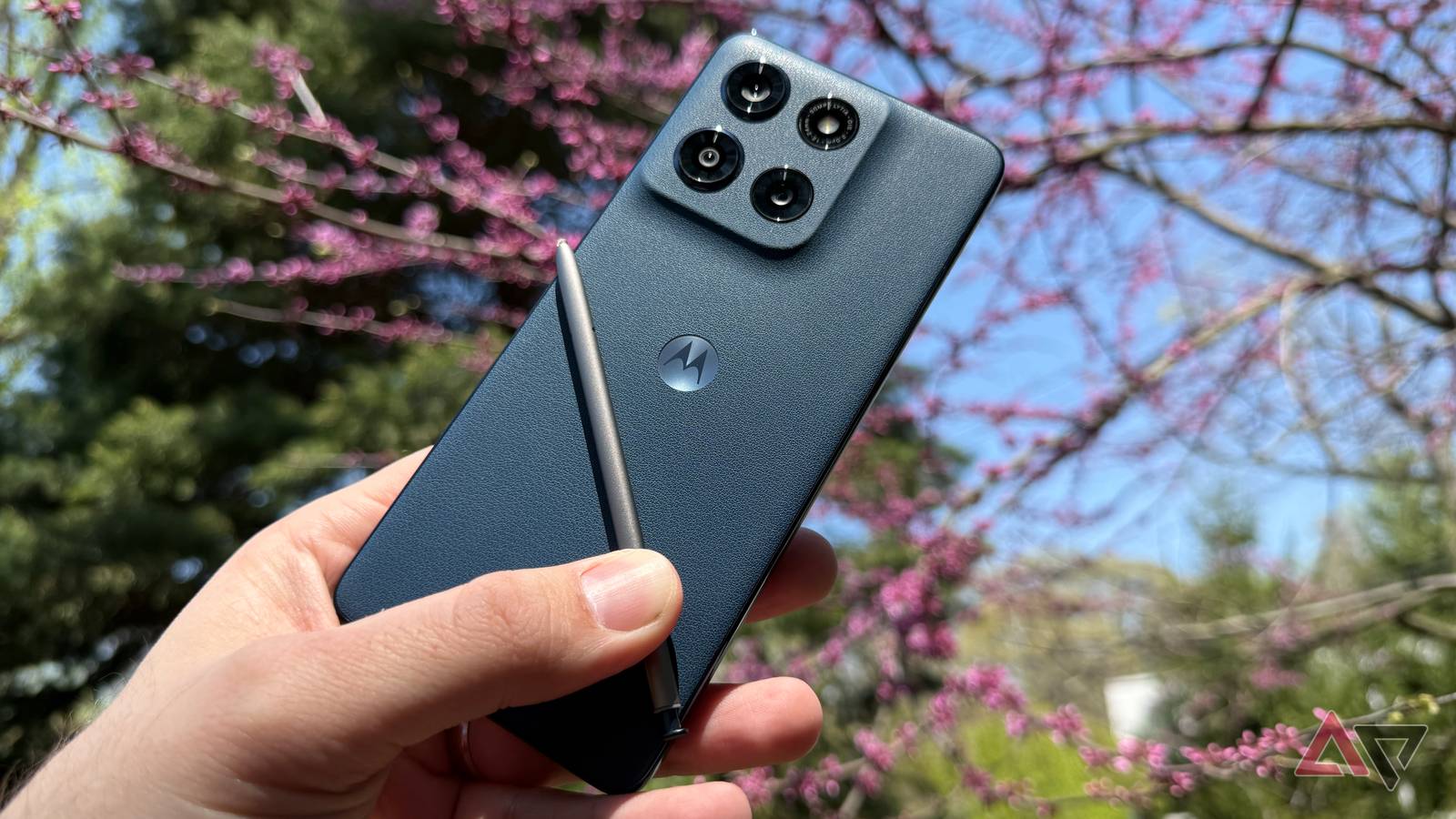
- Motorola's Moto G Stylus 5G (2026) model has seen a 40% increase in pre-orders compared to its 2025 predecessor, with consumer surveys citing the included stylus and expandable storage as key decision factors—a direct contrast to Samsung's separate, premium Galaxy S Ultra lineup for stylus support.
- Under CEO Sergio Buniac, Lenovo's Mobile Business Group (which oversees Motorola) has shifted R&D focus towards "heritage innovation," explicitly targeting features abandoned by the market leader.
- Samsung's Galaxy S26 series, launched in February 2026, continued the company's design language and feature set consolidation, offering no reintroduction of previously removed hardware features.
- A September 2025 YouGov poll indicated that 65% of Android users considering a switch cited "bringing back a favorite old feature" as a compelling reason to choose a new brand.
Breaking It Down
Motorola's resurgence is not a fluke but a calculated exploitation of a strategic gap left by Samsung's march upmarket. For years, Samsung's feature removal was framed as a necessary evolution for waterproofing, internal space, or pushing users toward wireless ecosystems and cloud services. Motorola identified this not as an inevitable tech trend, but as accumulated consumer resentment—a backlog of unmet desires it could fulfill.
Canalys analyst Runar Bjørhovde noted, "Motorola's 18% growth in a 3% market isn't just selling phones; it's monetizing nostalgia with modern specs. They've turned Samsung's discarded features into unique selling propositions."
This analysis hits the core of the strategy. In a sea of glass slabs, Motorola devices offering a headphone jack, a stylus in a mid-tier phone, or a distinctive "Razr" flip form factor stand out. They are marketing tangible differentiators in an era where processor and camera improvements are increasingly marginal to the average user. This "heritage innovation" provides a clear, understandable reason to choose Motorola over a similarly spec'd Samsung A-series or Google Pixel device.
Critically, Motorola has backed this hardware play with software commitments that address another historic weakness. By promising and delivering three OS updates, it mitigates the "fast obsolescence" fear that once plagued mid-tier Android brands. This combination—nostalgic hardware features and credible long-term software support—creates a powerful value proposition. It frames Motorola not as a budget alternative, but as a pragmatic, consumer-centric choice.
The risk for Samsung is that it cedes the "feature-rich" narrative to a competitor. While Samsung focuses on AI, foldables, and high-margin services, Motorola is winning the hearts of a segment that values practicality and choice. This division could allow Motorola to solidify a loyal base, making it harder for Samsung to recapture those users later, even with superior technology in other areas.
What Comes Next
The battlefield is now set for the second half of 2026, with Motorola needing to prove its strategy has staying power and Samsung forced to decide if it will respond.
- Motorola's "Project Sebring" Launch (July 2026): All leaks point to this being a new flagship-tier device that doubles down on this strategy. Industry watchers will scrutinize whether it includes a high-resolution periscope zoom camera alongside a headphone jack and SD card slot, proving Motorola can blend nostalgic features with true cutting-edge performance.
- Samsung's Galaxy Unpacked for the Z Fold/Flip 6 (August 2026): The focus will be on whether Samsung acknowledges Motorola's pressure in any way. A surprise reintroduction of a feature like microSD support in its foldables—a line still defining its category—would be a seismic shift indicating a direct strategic counter.
- Q3 2026 Market Share Reports (October 2026): The data from Canalys and IDC will show if Motorola's growth is accelerating or plateauing. Sustained gains in Western Europe and North America would signal a fundamental shift in brand perception.
- Google's Android 15 Rollout: Motorola's update speed for its 2024 and 2025 devices under the new promise will be a key test of operational execution. Delays would severely undermine the trust this strategy is built upon.
The Bigger Picture
Motorola's success taps into two broader, countervailing trends in technology. First, the revolt against planned obsolescence and feature reduction. Consumers are increasingly pushing back on devices that remove functionality for thinner designs or proprietary ecosystems, seeking products that offer longevity and user repairability. Motorola is positioning itself as a champion of this practical ownership model.
Second, it highlights the power of differentiation through calculated retrospection. In saturated markets, looking forward is not the only path. Apple has done this with its classic colorways and design echoes; Motorola is doing it with literal hardware features. This trend moves beyond pure specs, competing on emotional resonance and addressing specific, accumulated user grievances. It signifies a maturation of the smartphone market where segmentation isn't just about price, but about deeply held user preferences that larger players may have overlooked in their quest for uniformity.
Key Takeaways
- Strategy of Attrition: Motorola is gaining ground by systematically fulfilling consumer desires that Samsung has chosen to ignore, turning its rival's discarded features into its own core selling points.
- Nostalgia with Substance: The comeback is not based on gimmicks but on pairing beloved hardware features (headphone jack, SD slot) with serious modern commitments like long-term software support, creating a credible value proposition.
- Market Segmentation Redefined: The battle shows the Android market fracturing not just along price lines, but along philosophical lines—pragmatic feature retention vs. futuristic minimalism—creating space for brands to carve out loyal niches.
- Pressure on Samsung: Samsung now faces a strategic dilemma: maintain its high-margin, unified vision for flagship devices or adapt its product lines to recapture the practical, feature-focused users drifting to Motorola.