TL;DR
Apple's next-generation MacBook Pro with a touch screen and a new Mac Studio model are likely delayed due to a resurgence of the global memory chip shortage. This postponement, potentially pushing launches into late 2026 or 2027, directly impacts Apple's high-end professional hardware roadmap and signals ongoing volatility in the semiconductor supply chain that affects the entire tech industry.
What Happened
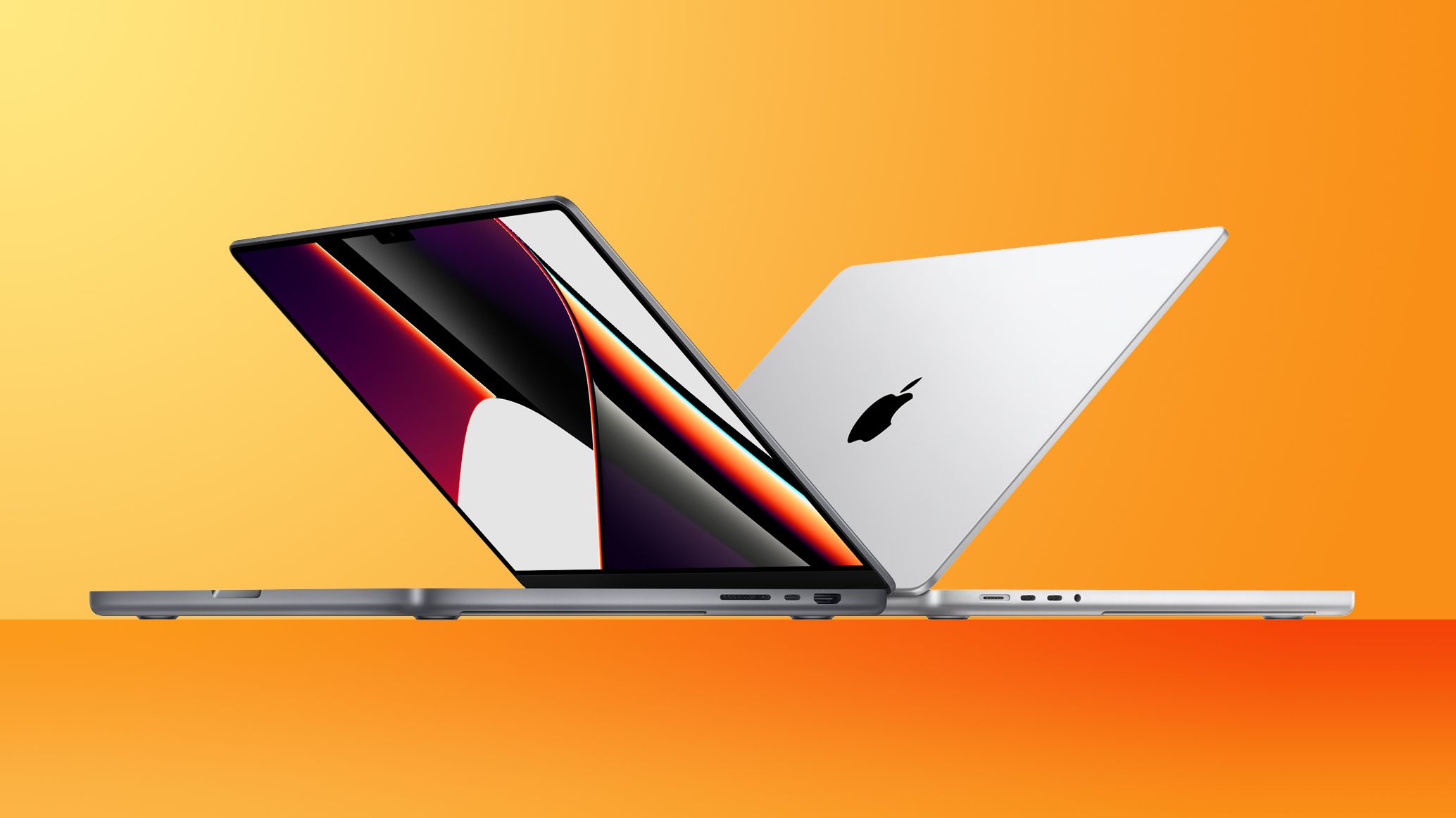
Apple's highly anticipated hardware refresh for its professional computing lineup has hit a significant roadblock. According to industry sources cited by MacRumors, the global memory chip shortage has likely forced Apple to postpone the launch of two critical products: a next-generation MacBook Pro featuring a revolutionary touch screen and a powerful new iteration of the Mac Studio desktop.
Key Facts
- Source: The report originates from MacRumors, published on Monday, April 20, 2026, citing supply chain sources familiar with Apple's production planning.
- Affected Products: The delay impacts two unannounced products: a MacBook Pro with a touch screen—a first for Apple's Pro laptop line—and a new Mac Studio model, the successor to the 2023 M2 Ultra version.
- Primary Cause: The postponement is attributed to a resurgence of the global memory chip shortage, specifically affecting the supply of high-bandwidth memory (HBM) and next-generation DRAM modules.
- Timeline Impact: While Apple has not confirmed a delay, sources indicate the products are now "likely" postponed, with original internal launch targets for mid-2026 now in jeopardy. Launch windows could slip to late 2026 or even early 2027.
- Market Context: This shortage echoes the severe semiconductor constraints of the 2021-2023 period, but is now driven by explosive demand for AI server components and advanced packaging capacity, squeezing supply for consumer electronics.
- Strategic Implication: The touch-screen MacBook Pro represents a major philosophical shift for Apple, which has famously resisted adding touchscreens to its macOS laptops, arguing for the separation of macOS and iOS/iPadOS interfaces.
- Competitive Pressure: The delay gives competitors like Microsoft's Surface Laptop Studio and various high-end Windows creator laptops more time to solidify their position in the touch-enabled professional market.
Breaking It Down
The reported delay is more than a simple calendar shift; it represents a confluence of supply chain fragility, intense market competition, and a potential pivot in one of Apple's core product philosophies. At its heart, this is a story about the AI boom's downstream consequences. The same advanced memory chips—particularly high-bandwidth memory (HBM3E and beyond)—that are in frenzied demand for Nvidia's AI accelerators and AMD's Instinct GPUs are also critical components for Apple's highest-end silicon, like the rumored M4 Ultra and M4 Extreme chips destined for the Mac Studio. Apple's unified memory architecture, a key performance advantage, makes it uniquely vulnerable to shortages in this specific sector.
The AI-driven demand for HBM is projected to grow at a compound annual growth rate (CAGR) of over 45% between 2023 and 2027, according to TrendForce, creating a supply vacuum that pulls components away from consumer electronics.
This statistic underscores the fundamental tension. SK Hynix, Samsung, and Micron are allocating the lion's share of their most advanced production capacity to fulfill lucrative contracts with AI hardware giants. For Apple, a company that commands immense purchasing power, to face postponements indicates the severity of the allocation squeeze. It suggests that even Apple's forecasted needs for its 2026 product cycle are being deprioritized by suppliers in favor of the seemingly insatiable AI data center market. This re-prioritization within the semiconductor industry is reshaping timelines for all non-AI hardware.
Furthermore, the delay of the touch-screen MacBook Pro carries significant strategic weight. Introducing a touch interface to the MacBook Pro line would mark the most substantial convergence of Apple's macOS and iPadOS hardware paradigms since the introduction of Apple Silicon. It implies a rethinking of the company's longstanding stance that "touch screens don't belong on laptops," potentially driven by professional user demand for more direct manipulation in creative workflows and competitive pressure from the Windows ecosystem. Any slippage here not only stalls a potential market expansion but also risks ceding narrative control to competitors who can iterate on their own touch-enabled pro devices unimpeded.
What Comes Next
The immediate focus will be on how Apple manages its product portfolio and messaging through the second half of 2026. The company is unlikely to comment publicly on supply chain rumors, but its actions in the coming months will reveal its strategic adjustments.
- WWDC 2026 Announcements (June 2026): The keynote at Apple's Worldwide Developers Conference will be the first major indicator. If the touch-screen MacBook Pro and new Mac Studio are absent from the "Coming Later This Year" previews, it will effectively confirm the delay. Attention will shift to software—macOS 13 and iPadOS 20—and whether their feature sets hint at the postponed hardware's capabilities.
- Fall 2026 Product Launches: Apple will need to fill its traditional September-November launch window. Expect a heightened focus on iPhone 16 iterations, Apple Watch Series 12, and potentially refreshed versions of existing Macs with more readily available components, like an M4-powered iMac or Mac mini, to maintain revenue momentum.
- Memory Supplier Earnings Calls (Q2 & Q3 2026): Analyst calls from Micron, SK Hynix, and Samsung will be scrutinized for data on HBM and DRAM supply allocation, capacity expansion timelines, and commentary on balancing data center versus consumer client demand. Any guidance suggesting easing constraints in late 2026 will point to a potential Q1 2027 launch for the delayed Apple hardware.
- Competitor Launches (Throughout 2026): The window is open for companies like Microsoft, Dell (XPS), and HP (Spectre) to advance their touch and stylus-enabled professional laptops. A major launch from a competitor in this space during Apple's delay period could force a recalibration of features and pricing for the eventual MacBook Pro touch model.
The Bigger Picture
This specific delay illuminates two powerful, interconnected trends reshaping the technology landscape. First, the AI Infrastructure Gold Rush is creating a tiered supply chain where data center components receive absolute priority. The scarcity of HBM is just the tip of the spear; advanced packaging (like CoWoS) and even legacy node capacity are being consumed by the AI build-out, causing ripple effects far beyond server farms. Consumer electronics companies, even one as dominant as Apple, are now in a queue behind hyperscalers like Microsoft Azure, Google Cloud, and Amazon AWS for critical components.
Second, it highlights the ongoing Convergence of Form Factors. The rumored touch-screen MacBook Pro is a direct response to a market where the lines between tablet, laptop, and desktop are blurring. Professionals, especially in creative fields, increasingly seek a single, versatile device. Apple's delay, while supply-driven, occurs within this broader competitive battle to define the ultimate hybrid work machine. The company's challenge is to execute this convergence without cannibalizing its highly successful iPad Pro line, making the timing and feature set of the postponed laptop more critical than ever.
Key Takeaways
- Supply Chain Vulnerability: Even Apple is not immune to component shortages, especially when driven by a seismic demand shift like the AI boom. Its integrated architecture makes it particularly sensitive to memory market fluctuations.
- Strategic Roadmap Disruption: The delay of a touch-screen MacBook Pro is a major strategic setback, halting Apple's planned entry into a new hybrid device category and giving Windows competitors a longer uncontested runway.
- AI's Downstream Impact: The consumer tech and pro hardware sectors are now in direct competition with AI data centers for advanced semiconductor manufacturing capacity, a conflict that will define product cycles for years.
- Watch the Software: Upcoming OS updates at WWDC 2026 will be the best proxy for Apple's delayed hardware ambitions, potentially revealing the software foundations for future touch-integrated macOS devices.