TL;DR
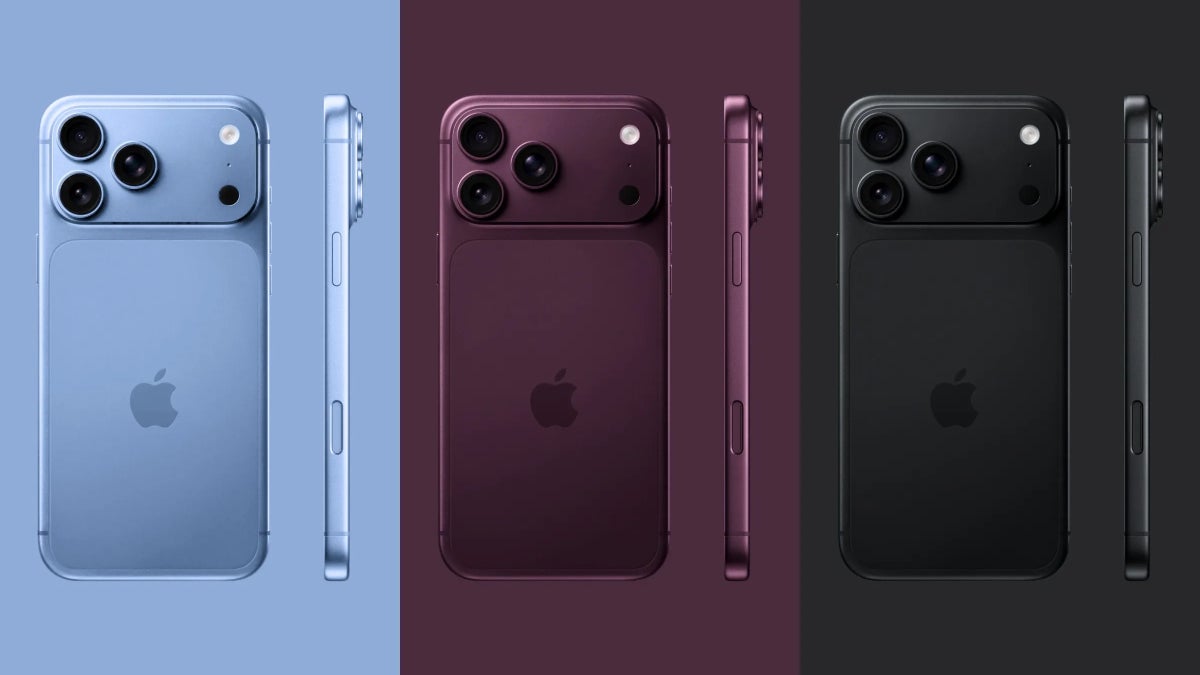
A genuine photograph of the iPhone 18 Pro chassis has leaked, revealing the long-anticipated return of a Rose Gold color option and the introduction of a dedicated Capture Button. These changes directly address widespread consumer feedback on design monotony and camera ergonomics, arriving at a critical juncture as Apple faces intensified competition in the premium smartphone segment.
What Happened
A real, physical chassis of the upcoming iPhone 18 Pro has been photographed and published by PhoneArena, providing the first concrete look at Apple’s 2026 flagship design months ahead of its expected September launch. The image, verified by the publication’s sources within the supply chain, confirms two major user-requested features that had previously only circulated in rumor reports.
Key Facts
- Source & Verification: The image was published by PhoneArena on Monday, April 20, 2026, and was verified by the outlet’s supply chain sources, confirming it as a genuine prototype chassis.
- New Color Option: The photo shows the return of a Rose Gold finish, a color last seen on the iPhone 8 series in 2017, marking a significant shift from recent years’ more muted Pro palette.
- New Hardware Button: The chassis reveals a new, flush-mounted dedicated Capture Button on the lower right side, designed for quick-access camera control.
- Design Continuity: The overall industrial design, including the titanium frame and rear camera array layout, appears largely consistent with the iPhone 17 Pro, suggesting an “S-year” refinement cycle.
- Timeline Context: This leak arrives approximately five months before the expected official unveiling in September 2026, aligning with typical Apple prototype leakage timelines from assembly partners.
- Competitive Pressure: The changes emerge as Apple’s iPhone Pro series faces its strongest competition in years from Samsung’s Galaxy S26 Ultra and a resurgent Google Pixel 9 Pro.
- Market Implication: The reintroduction of a popular legacy color is a direct tactic to spur upgrades in a stagnant global smartphone market, where differentiation is increasingly critical.
Breaking It Down
The leak of the iPhone 18 Pro chassis is more than a simple spoiler; it is a strategic signal from Apple’s supply chain and a clear response to specific market pressures. The confirmation of a dedicated Capture Button represents the most significant ergonomic shift for iPhone photography since the introduction of ProRAW. This hardware commitment indicates Apple is prioritizing tactile, instantaneous camera access over purely software-based solutions, directly countering a key advantage held by competitors like Samsung, whose S-Pen often doubles as a camera remote.
The return of Rose Gold after a nine-year absence is not a nostalgic whim but a calculated market segmentation strategy aimed directly at recapturing a specific demographic.
This move is a stark departure from Apple’s recent Pro color strategy, which has favored “serious” tones like Space Black, Natural Titanium, and White Titanium. The reintroduction of Rose Gold is a deliberate play to re-engage customers who found recent Pro models aesthetically monotonous. It targets a segment that values premium materials but also desires distinct personalization—a need increasingly served by Android manufacturers with a wider array of colors and materials. This decision likely stems from analysis of sustained secondary market demand for older Rose Gold iPhones and direct consumer feedback channels.
The timing and nature of this leak are also analytically significant. For a component as central as the chassis to be photographed and verified in April suggests final tooling is either complete or near-complete at Foxconn or other manufacturing partners. This indicates Apple’s development timeline for the iPhone 18 Pro is on schedule. Furthermore, the decision to leak these particular features—a new color and a new button—serves as a controlled pressure release for anticipation and allows Apple to gauge early public reaction to two of the device’s most marketable physical changes before committing to final marketing narratives.
What Comes Next
With the core design elements of the iPhone 18 Pro now effectively revealed, the focus will shift to the remaining unknowns of the 2026 iPhone lineup and the official market rollout. The industry will be watching several key milestones:
- WWDC 2026 (June 2026): Apple’s developer conference will unveil iOS 20, which will undoubtedly include software features that leverage the new Capture Button. Developers will gain access to APIs, potentially allowing the button to be mapped to functions beyond the camera in third-party apps.
- Component & Spec Leaks (Summer 2026): Attention will turn to leaks concerning internal specifications. The most critical revelations will involve the A20 Pro chipset’s performance, potential changes to the 48MP main sensor or telephoto lens, and any advancements in battery technology or charging speeds.
- Official Announcement & Pre-orders (September 2026): Apple will formally announce the iPhone 18 series in its traditional September event. Confirmation of all color variants, final pricing, and the specific launch date for pre-orders will be confirmed. Analyst attention will be on whether the standard iPhone 18 models also receive the Capture Button or new color options.
- Competitive Counter-Moves (Q3-Q4 2026): Samsung and Google will have already launched their 2026 flagships, but may adjust marketing campaigns or promotional strategies in response to the confirmed iPhone 18 Pro features. The industry will watch for any last-minute innovations from Chinese manufacturers like Xiaomi or Oppo aimed at undercutting Apple’s launch momentum.
The Bigger Picture
This leak underscores two dominant trends reshaping the high-end smartphone industry. First, Hardware Differentiation in a Mature Market has become paramount. With year-over-year performance gains becoming less perceptible to the average user, manufacturers are turning to tangible hardware changes—like new buttons, novel materials, and distinctive colors—to create compelling upgrade reasons. Apple’s reintroduction of Rose Gold and the new Capture Button is a textbook example of this shift from pure spec competition to experiential and aesthetic innovation.
Second, the move highlights the evolving battle over The Camera as a Primary Interface. The dedicated Capture Button formalizes the camera’s role not just as an app, but as a core device function accessible from any state. This aligns with a broader industry push toward making content creation—from photography to videography to live streaming—as frictionless as possible. It represents a hardware acknowledgment that for many users, the smartphone is their primary creative tool, and its physical form should reflect that priority.
Key Takeaways
- Design Nostalgia as Strategy: Rose Gold Revival: Apple is leveraging proven popular aesthetics from its past to combat design fatigue and attract upgrades in a saturated market, a tactic other manufacturers may emulate.
- Ergonomics Over Abstraction: The Dedicated Capture Button: This marks a strategic pivot back to specialized hardware controls for core functions, prioritizing immediacy and tactile feedback over purely touchscreen-based interfaces.
- Leak as Market Signal: Supply Chain Communication: The early, verified leak of a final chassis acts as a controlled release of information, managing consumer expectations and allowing Apple to assess reaction to key design decisions months ahead of launch.
- Refinement Over Revolution: “S-Year” Confirmation: The largely unchanged core chassis design suggests the iPhone 18 Pro will focus on iterative improvements in performance, camera sensors, and software, with the major physical innovations being the new button and color options.