TL;DR
The North American My Nintendo Store has unexpectedly restocked the highly coveted Super Mario 40th Anniversary Pin Set, a Platinum Point reward that sold out in minutes during its initial 2025 release. This surprise second chance, announced on April 9, 2026, is a direct response to overwhelming fan demand and rampant reseller markups, offering collectors a rare opportunity to acquire official merchandise at its original reward cost.
What Happened
In a move that sent immediate shockwaves through Nintendo fan communities, the company’s North American rewards portal suddenly and without prior warning restocked the legendary Super Mario 40th Anniversary Pin Set. The set, originally released in September 2025 to commemorate four decades of the iconic plumber, vanished almost instantly last year, creating a secondary market where prices soared above $300. This surprise April 9, 2026, restock represents a calculated second wave, granting fans a fleeting opportunity to redeem their accumulated Platinum Points for a piece of gaming history before it likely disappears for good.
Key Facts
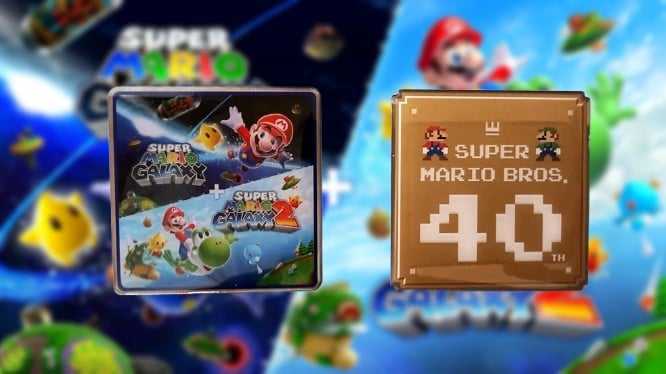
- The item in question is the Super Mario 40th Anniversary Pin Set, a two-pin collection featuring classic 8-bit sprite designs of Mario and a Super Mushroom.
- The cost for redemption is 800 Platinum Points, the premium currency earned through activities on Nintendo’s websites, mobile apps, and game purchases.
- The initial release occurred in September 2025, with stock selling out across North America, Europe, and Australia in a matter of minutes.
- The restock was confirmed on Thursday, April 9, 2026, exclusively for the North American My Nintendo Store.
- Secondary market prices for the pin set have consistently ranged between $250 and $350 on platforms like eBay since the initial sell-out.
- The responsible entity is Nintendo of America, operating through its My Nintendo rewards program.
- Availability is strictly while supplies last, with no indication from Nintendo on the quantity of stock or potential for further restocks.
Breaking It Down
This restock is far more than a simple inventory update; it is a strategic maneuver by Nintendo that speaks volumes about its evolving relationship with its dedicated fanbase and the economics of nostalgia. By reintroducing a reward that achieved near-mythical status due to its scarcity, Nintendo is directly intervening in a collector’s market it inadvertently created. The move acknowledges the frustration of legitimate fans who were outmaneuvered by automated bots and resellers during the first drop, offering a form of corrective justice that strengthens brand loyalty.
Since September 2025, completed eBay listings for the pin set have shown an average sale price of $287, a 3,500% markup over its original 800 Platinum Point cost.
This staggering resale premium underscores the intense demand for physical, high-quality Nintendo memorabilia tied to milestone anniversaries. The 800 Platinum Point cost is negligible for engaged fans, representing a high-value reward for ecosystem participation. However, the artificial scarcity of the first release transformed the pins from a loyalty perk into a commodity. Nintendo’s decision to restock, even in limited quantity, is a deliberate attempt to reclaim the narrative, dampen the reseller market, and reward persistent fans. It validates the My Nintendo program as a legitimate channel for exclusive items, not just digital wallpapers and discounts.
Furthermore, the timing is analytically significant. Coming in April 2026, this restock acts as a bridge between major anniversaries. The fervor of the 40th-anniversary celebrations has subsided, but the core fan appetite for collectibles remains. This action keeps the Super Mario brand engaged in a high-value, low-cost conversation with consumers ahead of any potential announcements related to the franchise’s next major milestone or game release. It demonstrates Nintendo’s understanding that its legacy is a tangible asset, one that can be strategically monetized through carefully managed scarcity and surprise goodwill gestures like this restock.
What Comes Next
The immediate aftermath of this restock will set the tone for future My Nintendo rewards and Nintendo’s approach to limited-edition physical goods. The community and the company will be watching several key developments closely.
- The Sell-Out Velocity: The primary metric to watch is how quickly the restocked inventory depletes. A sell-out time measured in minutes will confirm the unabated demand and could encourage Nintendo to consider more frequent, though still limited, "made-to-order" windows for future high-demand items. A slower sell-out over hours or days might indicate the initial frenzy was partly driven by reseller speculation now dampened by the restock.
- Secondary Market Reaction: The price trajectory on eBay and Mercari in the coming week will be a direct report card on the restock’s impact. A significant drop from the $300 range toward or below $100 would signal the restock successfully flooded the market. If prices remain stubbornly high, it indicates the restock quantity was too small to satisfy pent-up demand, leaving the scalper economy intact.
- Nintendo’s Official Communication: Whether Nintendo issues any follow-up statement—thanking fans, declaring the item permanently retired, or hinting at similar future opportunities—will be critical. Silence will be interpreted as a one-off event. Any communication could lay the groundwork for a new, more transparent model for distributing physical rewards.
- Program Evolution: This event will inevitably influence the design of the My Nintendo program in 2026 and beyond. There may be internal discussions about implementing queue systems, purchase limits per account, or higher Platinum Point costs for premium physical items to better manage distribution and reward the most active users.
The Bigger Picture
This specific restock connects to powerful, cross-industry trends redefining how technology and entertainment companies engage with their audiences. First, it is a textbook case of Phygital Convergence—the blending of physical and digital value. The pins are a physical trophy, but they are unlocked exclusively through engagement with digital ecosystems (playing games, using apps, buying digitally). This strategy leverages digital touchpoints to drive desire for tangible goods, creating a more holistic and sticky brand experience.
Second, the event highlights the strategic use of Artificial Scarcity in the Digital Age. Nintendo has masterfully used limited availability to create buzz and perceived value, a tactic common in sneaker and apparel drops. However, the controlled restock introduces a new twist: the ability to manipulate the secondary market and reward patience, turning a one-time frustration into a long-term engagement tool. Finally, it reflects the growing Monetization of Fandom and Nostalgia. For legacy franchises like Super Mario, curated archival releases, high-end collectibles, and anniversary merchandise are becoming significant revenue streams and brand reinforcement tools, separate from the core game sales cycle.
Key Takeaways
- Strategic Restock: Nintendo of America’s surprise restock of the 40th-anniversary pins is a calculated move to address fan demand, undermine resellers, and reinforce the value of its My Nintendo loyalty program.
- Secondary Market Impact: The restock’s success will be measured by its immediate effect on eBay prices, which had seen the $0-cost reward sell for over $300, testing Nintendo’s ability to control the aftermarket for its goods.
- Evolving Reward Strategy: This event signals a potential shift in how Nintendo manages high-demand physical rewards, possibly leading to more transparent or frequent limited releases to maintain fan engagement between major hardware or software launches.
- Nostalgia as Currency: The intense demand for the pin set reaffirms that for iconic franchises, officially licensed, high-quality physical collectibles tied to major anniversaries represent a powerful and sustainable avenue for brand monetization and community building.