TL;DR
Nintendo has launched a major update to its Nintendo Music streaming service to coincide with the release of Tomodachi Life for Nintendo Switch. This strategic move ties a beloved franchise directly to the company's subscription ecosystem, but the update notably lacks new music content for the coming week, signaling a focus on platform integration over immediate library expansion.
What Happened
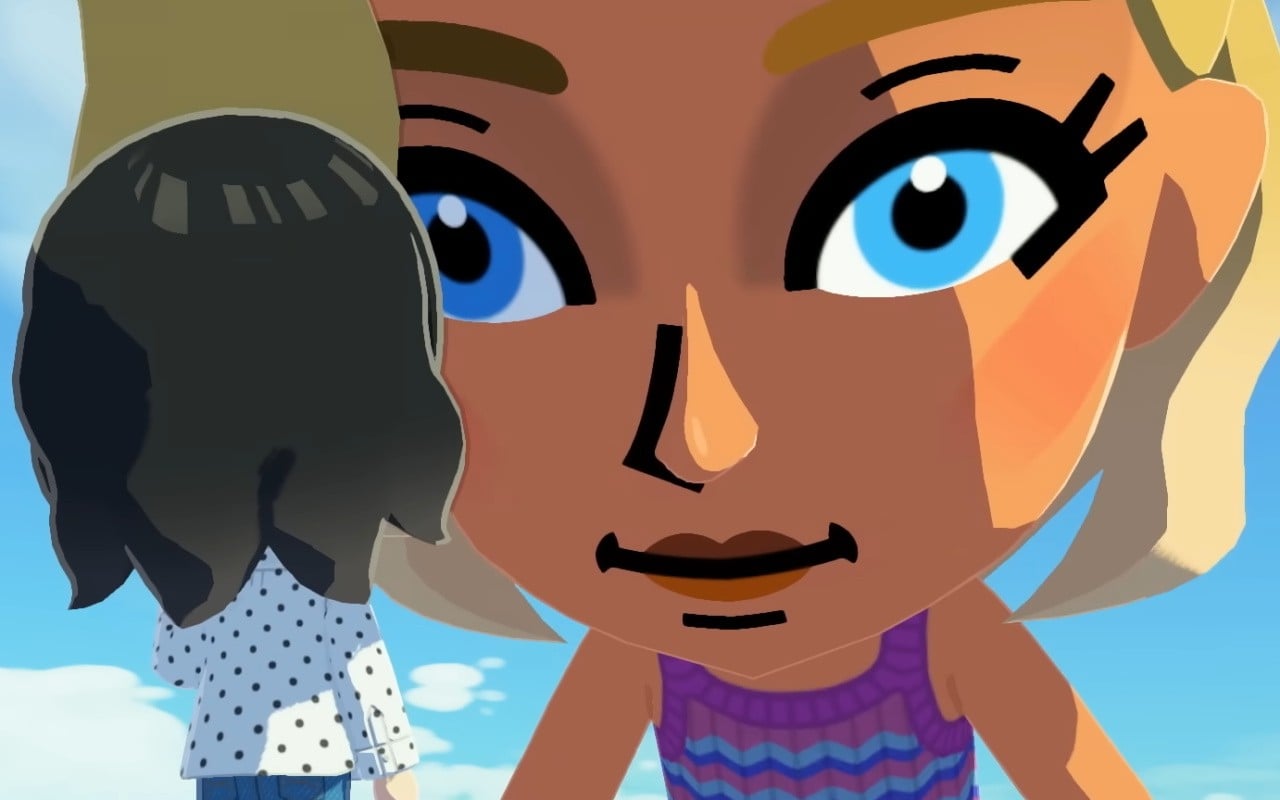
On Thursday, April 16, 2026, the launch of the long-awaited Tomodachi Life for Nintendo Switch was accompanied by a significant, yet curiously timed, update to Nintendo's music streaming platform. Nintendo Music received a suite of new features and interface refinements specifically designed to celebrate the quirky life simulation game, creating a direct bridge between gameplay and the company's broader digital services.
Key Facts
- The update was announced and deployed on Thursday, April 16, 2026, coinciding with the global release of Tomodachi Life on the Switch platform.
- The primary catalyst for the update is the launch of Tomodachi Life for Nintendo Switch, a port and expansion of the beloved 2013 Nintendo 3DS title.
- The service receiving the update is Nintendo Music, the company's proprietary music streaming service available to Nintendo Switch Online + Expansion Pack subscribers.
- A key promotional detail states users should not expect any new music tracks to be added to the service in the week following this launch update.
- The news was reported by the specialist publication Nintendo Life.
- The update is described as "special," implying it includes more than routine bug fixes, likely featuring Tomodachi Life-themed playlists, interface skins, or curated soundtracks.
Breaking It Down
Nintendo’s decision to tether a Nintendo Music update to the Tomodachi Life launch is a calculated move in its ongoing strategy to increase the perceived value of its Nintendo Switch Online subscription tiers. By creating exclusive, time-sensitive content for Nintendo Music around a major game release, Nintendo is directly leveraging its software IP to bolster its services ecosystem. This mirrors tactics used by companies like Apple, which uses exclusive content to drive subscriptions to Apple Music, but here the exclusivity is doubly locked—behind both a subscription paywall and association with a specific software purchase or interest.
The update explicitly tells users not to expect new music tracks in the subsequent week.
This is the most analytically significant detail of the announcement. It serves as a deliberate manage of expectations, shifting the focus from quantitative library growth to qualitative integration. Instead of promoting a list of new albums, Nintendo is emphasizing an experiential enhancement tied to a specific game. This suggests the update’s value lies in curated playlists (like "Songs Your Mii Would Listen To"), custom visual themes for the Nintendo Music app, or perhaps even interactive elements where in-game events influence suggested music. It’s a move from a content catalog to a contextual service, aiming to make Nintendo Music feel less like a standalone app and more like a living part of the Nintendo Switch experience.
Furthermore, this approach tests a different model for Nintendo Music. Historically, the service has been critiqued for its library depth compared to giants like Spotify or Apple Music. By focusing on high-profile, franchise-specific integrations, Nintendo can highlight its unique advantage: unparalleled access to its own iconic game soundtracks and related content. A Tomodachi Life-themed update is something no competitor can replicate, creating a form of vertical integration that is defensible and highly appealing to the core Nintendo fanbase.
The choice of Tomodachi Life as the launch partner for this strategy is also telling. The game is a social simulator centered on quirky, personalized humor and shared experiences. Its soundtrack is eclectic and character-driven. By building a Nintendo Music experience around it, Nintendo is not just selling a game or a music service; it is promoting a lifestyle brand where your game avatar, your music taste, and your online identity through Nintendo Switch Online begin to intertwine. This lays groundwork for more immersive, service-driven experiences in the future Nintendo ecosystem, potentially feeding into plans for their next-generation hardware.
What Comes Next
The immediate aftermath of this update will set the tone for how Nintendo supports Nintendo Music alongside its game releases. The coming weeks and months will reveal whether this is a one-off promotion or a new, sustained content strategy.
- Week of April 23, 2026: The most immediate milestone is the week following the update. The explicit statement that no new tracks are coming will be tested. Will user engagement with the Tomodachi Life features sustain interest, or will the lack of fresh music lead to criticism?
- E3 2026 or Next Nintendo Direct: Watch for announcements regarding other franchise-themed updates for Nintendo Music. If successful, promotions tied to anticipated 2026 titles like Metroid Prime 4 or the next Legend of Zelda game could be revealed, formalizing this game-service synergy as a standard practice.
- Nintendo Switch Online Subscription Metrics: While not publicly disclosed, Nintendo’s next financial results briefing will be scrutinized for any commentary on subscriber growth or engagement within the Expansion Pack tier, which includes Nintendo Music. Success here could justify further investment in the service.
- The Next Hardware Platform: With the Nintendo Switch nearing a decade in the market, all software and service strategies are also proving grounds for the next console. A robust, integrated music service that complements game launches could become a key feature of Nintendo’s next-generation online offering.
The Bigger Picture
This event is a microcosm of two major converging trends in the technology and gaming industries. First, it exemplifies the Service-ification of Game IP, where iconic franchises are no longer just products but platforms for ongoing service engagement. Similar to how Fortnite or Call of Duty use seasons and battle passes, Nintendo is using its games as anchors for its other subscription services, creating a sticky ecosystem that discourages users from leaving.
Second, it highlights the strategic move towards Vertical Integration in Entertainment. Companies are increasingly seeking to control the entire stack of hardware, software, and content delivery to capture maximum value and user data. Nintendo’s push with Nintendo Music—despite the massive dominance of Spotify and Apple Music—is not about winning the general streaming wars. It’s about owning a unique, high-value niche within its own walled garden. This trend is evident from Amazon’s integration of Prime Video with Twitch to Apple’s seamless handoff between iPhone, Mac, and Apple TV. For Nintendo, the integration point is its first-party game launches.
Key Takeaways
- Strategic Synergy: Nintendo is directly linking major game launches with updates to its Nintendo Music service to increase the value proposition of its Nintendo Switch Online + Expansion Pack subscription.
- Experience Over Expansion: The update prioritizes curated, game-specific experiences and integrations over simply adding more songs to the library, a deliberate shift in content strategy for the streaming service.
- Managed Expectations: By explicitly stating no new music tracks are coming next week, Nintendo is controlling the narrative, focusing user attention on the unique Tomodachi Life integration rather than library size.
- Ecosystem Lock-in: This move is a clear effort to deepen user engagement within the Nintendo ecosystem, making both individual game purchases and the subscription service more interdependent and valuable.

![Google’s new Fitbit band has continued hiding in plain sight, software too [Gallery] - 9to5Google — technology news on Trend Pulse](https://i0.wp.com/9to5google.com/wp-content/uploads/sites/4/2026/04/fitbit-band-steph-curry-1.jpg?resize=1200%2C628&quality=82&strip=all&ssl=1)
