TL;DR
Google is offering a 50% discount on YouTube Premium to subscribers of its Google One cloud storage service who are on the 2TB or higher plan. This move strategically bundles two subscription products to increase retention and value perception for Google's highest-paying customers, directly challenging competitors like Apple One.
What Happened
In a targeted move to boost its subscription ecosystem, Google has begun rolling out a significant new perk for its most loyal users. The company is now offering a 50% discount on a YouTube Premium subscription to individuals subscribed to the 2TB or higher tiers of its Google One cloud storage service, effectively bundling two of its flagship services at a steep discount.
Key Facts
- The Offer: Eligible Google One subscribers receive a 50% discount on the monthly cost of an individual YouTube Premium plan.
- Eligibility: The discount is available to users on the Google One 2TB plan or higher (including the 5TB, 10TB, and 20TB tiers).
- Pricing Impact: With YouTube Premium normally priced at $13.99/month in the US, the discount brings the effective monthly cost down to approximately $7.00 for eligible users.
- Platform Rollout: The offer is being communicated directly within the Google One mobile app and web dashboard, with users seeing a promotional card to activate the discount.
- Strategic Timing: The promotion arrives as streaming service bundling and retention become central battlegrounds for tech giants.
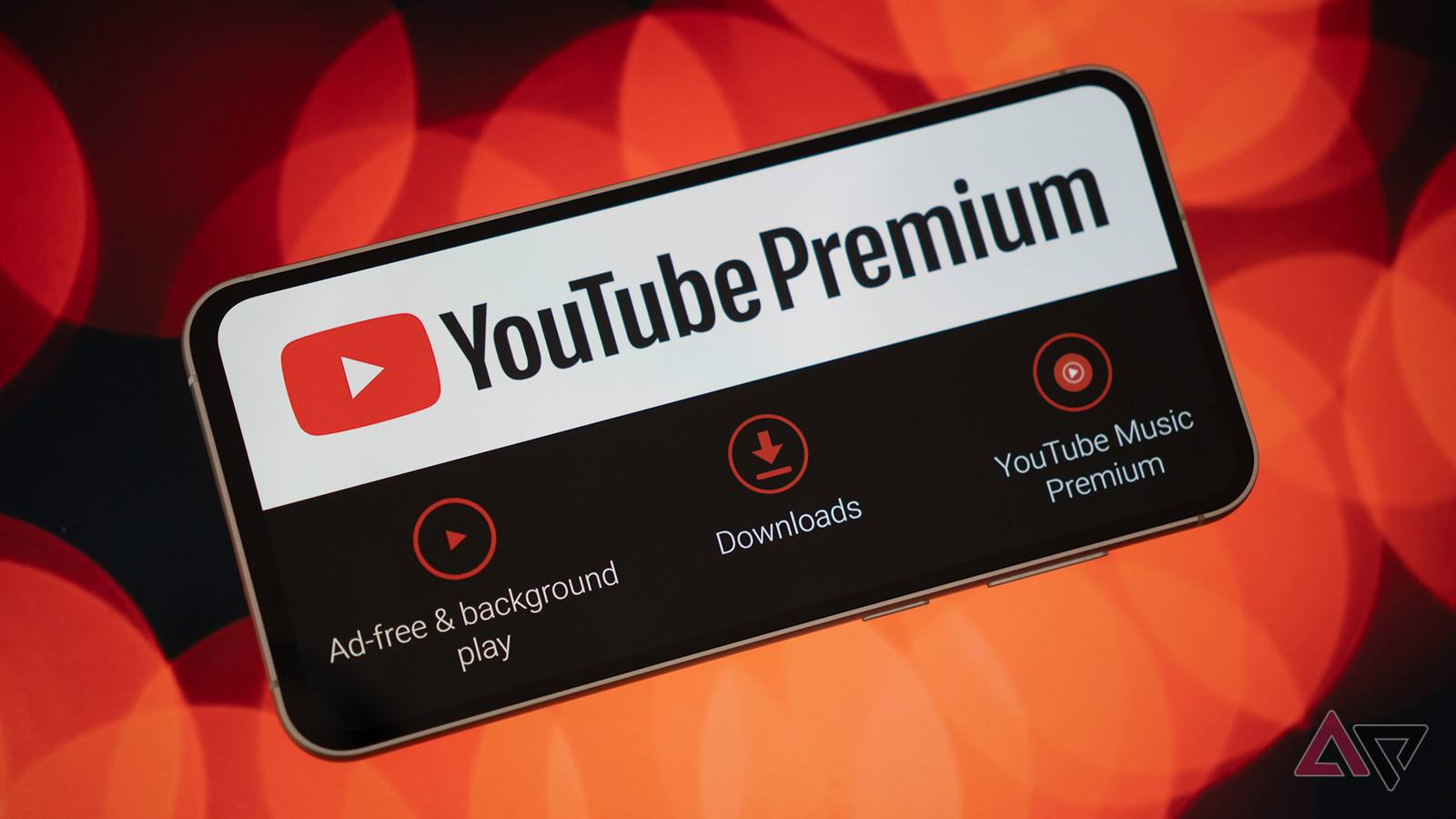
- Service Scope: YouTube Premium includes ad-free viewing, background play, downloads, and access to YouTube Music Premium.
- Parent Company: The bundling is a clear initiative from Alphabet Inc. to increase the "stickiness" and perceived value of its service portfolio.
Breaking It Down
This is not a random promotion but a calculated step in Google’s long-term strategy to build a defensible, high-value subscription fortress. For years, YouTube Premium has struggled with conversion rates, as many users tolerate ads or use ad-blockers rather than pay a standalone fee. Simultaneously, Google One has faced an uphill battle against deeply entrenched competitors like iCloud and Dropbox. By linking the two, Google creates a compelling reason for users to choose and remain within its ecosystem. The 2TB plan threshold is key; it targets users who are already investing a significant amount—typically $9.99/month or more—into Google’s infrastructure, indicating they are high-value customers worth retaining.
The 50% discount effectively makes YouTube Premium a $7 monthly add-on for a user already paying for substantial cloud storage, a price point that dramatically alters the value proposition.
This pricing is psychologically and competitively potent. At $7, YouTube Premium is no longer a luxury but an impulse upgrade. It undercuts the standalone price of music-only services like Spotify Premium and positions the entire YouTube experience—thousands of hours of video content plus a full music streaming library—as a near-necessity. For Google, the marginal cost of delivering this service is low, but the increase in customer lifetime value and reduced churn risk is high. It transforms Google One from a utility into an entertainment hub.
The bundling tactic is a direct response to the success of Apple One, which packages Apple TV+, Apple Music, Apple Arcade, and iCloud+ into tiered bundles. Google’s approach is more modular, allowing users to anchor their subscription with a practical need (storage) and then bolt on entertainment at a deep discount. This also serves as a defensive moat. A user paying for 2TB of Google One storage and a half-price YouTube Premium is far less likely to switch to a competing ecosystem, as unsubscribing would mean losing both storage convenience and an ad-free video lifestyle.
Furthermore, this move accelerates the monetization of YouTube’s massive user base. By lowering the barrier to entry for Premium through an existing billing relationship, Google can convert users who would never have considered it at full price. Once accustomed to an ad-free YouTube, these users are unlikely to revert, securing a more predictable revenue stream for Alphabet and further insulating YouTube from the volatility of the advertising market.
What Comes Next
The rollout of this discount is just the beginning of a broader bundling and retention strategy from Google. In the coming months, several key developments are likely:
- Expansion to Other Markets: The offer is currently rolling out in select regions, including the United States. Watch for a phased international expansion throughout Q2 and Q3 of 2026, with potential adjustments to the discount percentage or eligible tiers based on regional pricing and competition.
- Inclusion in Higher-Tier Google One Plans: It is highly probable that future "Premium" or "AI-Premium" Google One tiers will include a full YouTube Premium subscription at no extra cost, rather than just a discount. Google has been testing AI-enhanced features in Google One, and a bundled entertainment service would be a powerful selling point for a more expensive subscription layer.
- Competitive Counter-Moves: Expect rivals to respond. Apple may enhance its Apple One bundles with more storage or additional services. Amazon could more deeply integrate Prime Video benefits with Amazon Photos storage. Microsoft might explore bundling ad-free experiences on its platforms with OneDrive subscriptions.
- Scrutiny from Regulators: As large tech companies increasingly use bundling to lock users into their ecosystems, this practice will attract greater regulatory attention. Authorities in the EU and US examining "gatekeeper" power may question if such discounts constitute anti-competitive tying, especially if Google One becomes a prerequisite for the best price on YouTube Premium.
The Bigger Picture
This story is a microcosm of two dominant trends reshaping the technology landscape. First, the Era of the Super Bundle. The standalone subscription model is reaching saturation and causing "subscription fatigue." In response, giants like Alphabet, Apple, and Amazon are creating bundled ecosystems that offer perceived value and reduce churn. The goal is no longer to sell one service, but to become the primary—and least cancelable—monthly bill for digital life, encompassing storage, entertainment, software, and soon, AI tools.
Second, it highlights the Strategic Pivot from Ads to Subscriptions. For decades, Google’s empire was built on advertising. While ads remain its core revenue driver, the company is aggressively building a parallel, subscription-based revenue stream through Google One, YouTube Premium, and Pixel Pass. This diversifies income and creates a more direct, predictable relationship with end-users. Bundling is the engine for this pivot, using popular services to pull users into paid plans for others, steadily building a subscription fortress to rival Apple’s.
Key Takeaways
- Strategic Bundling: Google is leveraging its Google One cloud service as an anchor to drive adoption of its YouTube Premium entertainment product, using a deep discount to increase overall ecosystem loyalty.
- Targeting High-Value Users: The offer is exclusively for customers on the 2TB+ plans, a clear move to reward and retain its most lucrative subscription customers and increase their lifetime value.
- Competitive Counter to Apple: This bundle is a direct, if more flexible, answer to Apple One, showing Google’s commitment to competing in the bundled subscription arena that defines modern tech ecosystems.
- Lowering the Conversion Barrier: By cutting the effective price of YouTube Premium in half, Google aims to massively increase conversion rates from users who were previously on the fence, trading margin for market share and habit formation.

![Google’s new Fitbit band has continued hiding in plain sight, software too [Gallery] - 9to5Google — technology news on Trend Pulse](https://i0.wp.com/9to5google.com/wp-content/uploads/sites/4/2026/04/fitbit-band-steph-curry-1.jpg?resize=1200%2C628&quality=82&strip=all&ssl=1)