TL;DR
Ryu Ga Gotoku Studio, the acclaimed developer behind the Like a Dragon series, has announced a new game featuring a digital recreation of the late rapper Tupac Shakur, sparking immediate backlash from fans and critics who see it as exploitative "digital necromancy." The controversy highlights growing unease over the use of AI and digital likenesses of deceased celebrities in video games, with the announcement landing just weeks after similar debates around posthumous hologram performances.
What Happened
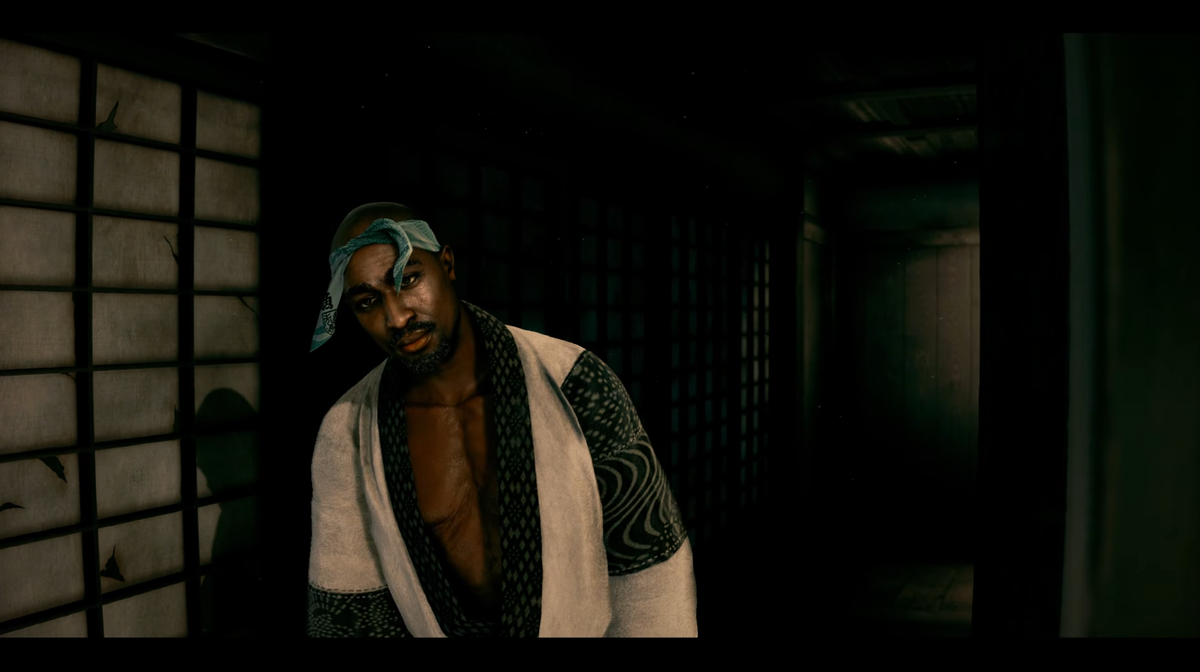
On June 6, 2026, Ryu Ga Gotoku Studio (RGG) — the Japanese developer behind the beloved Yakuza/Like a Dragon franchise — revealed its next project will feature a fully digital recreation of Tupac Shakur, the legendary rapper murdered in 1996. The announcement, made via a brief teaser trailer and press release, immediately ignited a firestorm of criticism from fans, hip-hop commentators, and gaming journalists, with one Aftermath writer summing up the sentiment: "I love RGG, and I love hip-hop, and I absolutely hate everything they're doing with this angle."
Key Facts
- Ryu Ga Gotoku Studio is best known for the Yakuza (now Like a Dragon) series, which has sold over 21 million copies worldwide as of 2024, according to Sega.
- The game will feature a digital likeness of Tupac Shakur, who was killed in a drive-by shooting in Las Vegas on September 13, 1996, at age 25.
- The announcement came via a teaser trailer on June 6, 2026, showing a photorealistic Tupac character in a modern urban setting, but no gameplay footage was shown.
- The game's title and release date were not disclosed in the announcement, though Sega's fiscal year reports indicate a major RGG title is planned for late 2026.
- Critics have labeled the project "digital necromancy," a term now widely used to describe the use of AI and CGI to resurrect deceased celebrities for commercial purposes.
- The backlash has been swift and broad, with negative reactions on social media platforms including X, Reddit, and gaming forums, where fans expressed disappointment and disgust.
- This is not the first time a deceased celebrity's likeness has been used in a game; examples include Call of Duty: Black Ops Cold War (2020) featuring a digital John F. Kennedy and Cyberpunk 2077 (2020) including a posthumous appearance by Keanu Reeves-adjacent characters.
Breaking It Down
The core of the controversy lies not in the quality of the digital recreation, but in the ethical breach of using a murdered artist's likeness without clear consent. Tupac Shakur died at 25, leaving behind a legacy of activism, poetry, and music that his estate has carefully managed. While the Tupac Shakur Estate — controlled by his mother, Afeni Shakur, until her death in 2016, and now by his family — has licensed his image for hologram performances (most notably at Coachella in 2012), the leap into a full video game narrative raises questions about how much control any estate truly has over the long-term cultural identity of an artist who cannot speak for himself.
"The use of Tupac's likeness in a game from a Japanese studio known for hyper-localized yakuza melodrama is a collision of cultures that feels less like homage and more like exploitation."
RGG Studio's strength has always been its deeply Japanese storytelling — the Yakuza games are soaked in the specific texture of Tokyo's Kabukicho district, with themes of honor, betrayal, and redemption rooted in Japanese criminal underworlds. Slotting Tupac Shakur, an icon of American West Coast hip-hop and Black political consciousness, into that framework feels jarring. Fans are questioning whether the studio has the cultural competency to handle such a loaded figure, or whether this is a cynical attempt to break into the Western market with a recognizable name. The Aftermath article's headline — "Nobody Is Happy" — captures the rare unanimity of the backlash: even longtime RGG supporters are revolted.
The timing compounds the problem. The announcement lands just weeks after a high-profile debate over a hologram tour of the late rapper Pop Smoke, which was criticized by his family as exploitative. It also follows the 2023 SAG-AFTRA strike over AI and digital replicas, which included provisions requiring consent for the use of deceased performers' likenesses. The video game industry, which has its own unionization battles, is now squarely in the crosshairs of this ethical debate. RGG's decision to feature Tupac — a figure whose death remains a source of trauma and conspiracy theories — feels like a tone-deaf miscalculation that could damage the studio's reputation.
What Comes Next
- Sega and RGG will likely release a statement within the next 1–2 weeks addressing the backlash, potentially clarifying the game's narrative context or confirming whether the Tupac estate fully approved the project. Expect this by mid-June 2026.
- The Tupac Shakur Estate may issue its own statement, either endorsing the project (to avoid legal disputes) or distancing itself, which could force Sega to cancel or delay the game. The estate's position is the single most important variable.
- A full gameplay reveal is expected at Sega's upcoming showcase — likely at Gamescom in August 2026 or a dedicated Sega event in September 2026. If the backlash persists, Sega may pivot the marketing to emphasize the game's non-Tupac elements.
- Legal challenges or consumer boycotts could emerge, particularly if the game is seen as violating Tupac's "right of publicity" laws, which vary by state. California, where Tupac lived and died, has strong postmortem publicity rights that last 70 years after death.
The Bigger Picture
This story is the latest flashpoint in the Digital Necromancy trend — the use of AI, deepfakes, and CGI to resurrect dead celebrities for profit. From hologram concerts (Tupac at Coachella 2012, Roy Orbison in 2018) to AI-generated music (a "new" Beatles song in 2023 using John Lennon's voice), the technology has outpaced ethical guidelines. The video game industry, with its ability to create photorealistic characters, is now the newest frontier. The backlash against RGG mirrors the anger directed at Marvel Studios for using a digital Carrie Fisher in Star Wars: The Rise of Skywalker (2019) and the controversy over AI-generated voice clones of deceased actors in The Flash (2023).
The second trend is Cultural Mismatch in Globalized Gaming. Japanese studios increasingly target Western audiences by licensing Western IP or celebrities — Kojima Productions worked with Norman Reedus and Mads Mikkelsen; Sega itself used the late George A. Romero in Zombie Revenge. But these collaborations usually involve living artists who can participate in the creative process. Using a deceased, politically charged Black American icon in a Japanese gangster game framework reveals the limits of cross-cultural licensing when the subject cannot advocate for their own representation. The gaming community is now asking: If RGG wanted a hip-hop icon, why not a living artist like Kendrick Lamar or J. Cole?
Key Takeaways
- [Ethical Breach]: Using a murdered artist's digital likeness without explicit, contemporaneous consent crosses a line that even loyal fans find unacceptable, as shown by the near-universal backlash.
- [Timing Matters]: The announcement comes amid heightened sensitivity over AI and posthumous exploitation, following the SAG-AFTRA strike and the Pop Smoke hologram controversy, making RGG's move appear especially tone-deaf.
- [Cultural Risk]: RGG Studio's Japanese narrative framework may be fundamentally incompatible with the legacy of an American hip-hop icon, risking accusations of cultural appropriation and exploitation.
- [Business Impact]: The controversy could damage sales of a major title and tarnish Sega's reputation, potentially forcing a pivot or cancellation if the Tupac estate or consumer backlash escalates.