TL;DR
Blizzard Entertainment has released a comprehensive redesign for the new hero Anran in Overwatch, directly addressing a significant player backlash. This swift correction highlights the increasing power of community feedback in live-service game development and sets a precedent for how studios must manage the gap between cinematic marketing and in-game execution.
What Happened
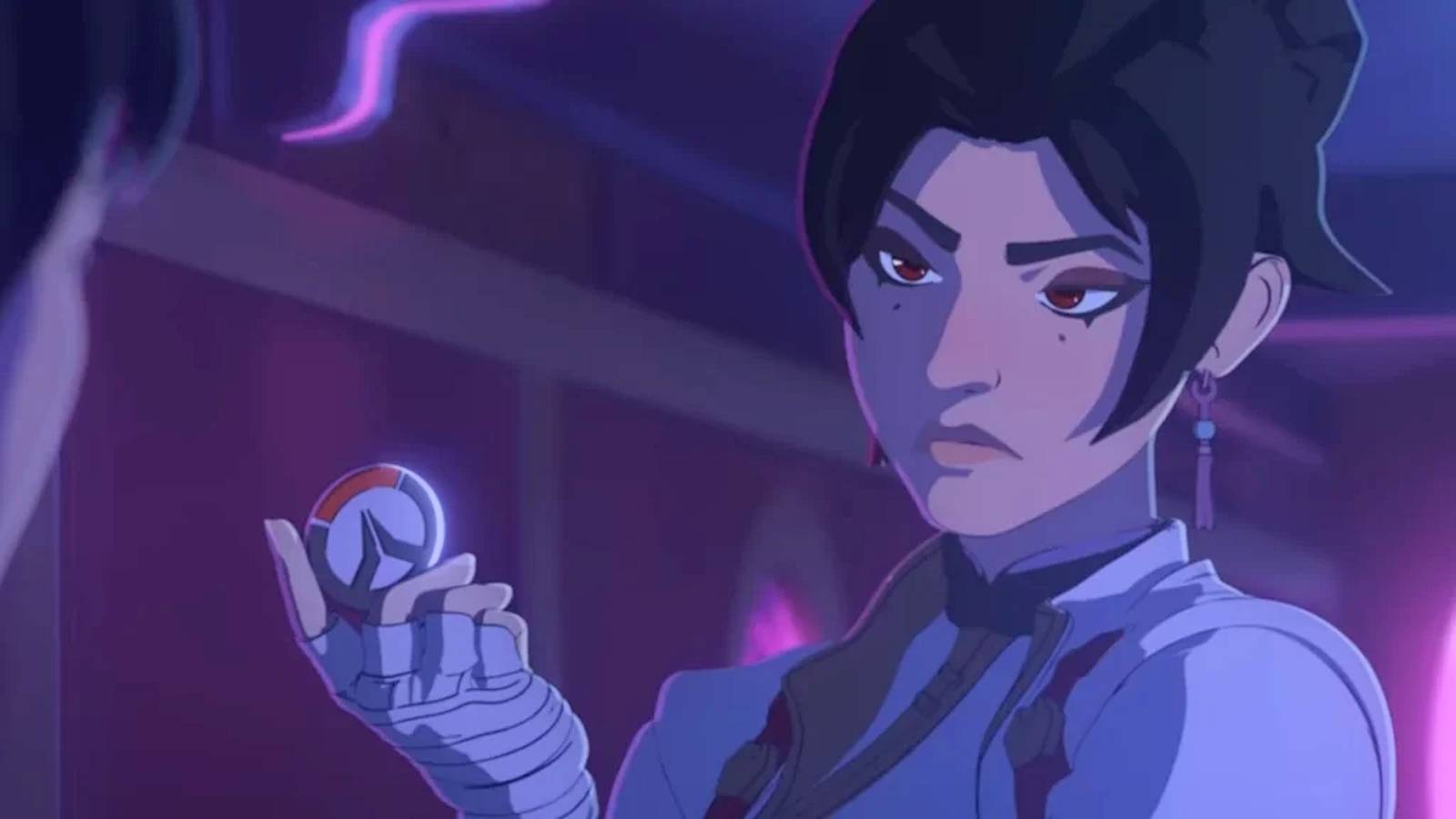
On Tuesday, April 7, 2026, Blizzard Entertainment unveiled a complete visual overhaul for Anran, the newest hero added to its flagship team-based shooter Overwatch. The redesign comes less than a week after the hero's introduction sparked intense criticism from the game's community, who felt her in-game model was a stark, disappointing departure from her polished appearance in the "Elemental Kin" cinematic trailer.
Key Facts
- Blizzard Entertainment revealed the Anran redesign on Tuesday, April 7, 2026, following her initial release in the prior week's Season 31 update.
- The backlash centered on the significant disparity between Anran's high-fidelity cinematic model and her lower-detail, less expressive in-game counterpart.
- Key complaints included a lack of facial detail, less vibrant effects on her elemental-themed abilities, and a generally "flat" visual presentation compared to the trailer.
- The redesign, deployed in a patch 1.87.2, enhances facial animations, adds particle effect density to her abilities, and refines her model's textures and lighting.
- Community feedback was aggregated and highlighted across platforms like the official Overwatch forums, Reddit, and social media, creating undeniable pressure.
- This marks one of the fastest major visual reworks of a hero post-launch in Overwatch history, surpassing the timeline for adjustments to heroes like Brigitte or Sigma.
- The original "Elemental Kin" cinematic, which first introduced Anran, was released on March 28, 2026, and set a high visual expectation the initial game model failed to meet.
Breaking It Down
Blizzard's rapid response is a textbook case in modern live-service crisis management. The disconnect between cinematic and in-game assets is not new, but the velocity and volume of player reaction in the Overwatch ecosystem forced an unprecedented correction. Historically, Blizzard has adjusted hero balance or fixed bugs quickly, but a full visual overhaul of this scale, prompted purely by aesthetic dissatisfaction, is a landmark event. It signals that in an era where games are perpetually updated, player expectations for quality and consistency have expanded beyond mere functionality to encompass the entire artistic presentation.
The Anran redesign was deployed less than 168 hours after her controversial release, a turnaround time that redefines "developer responsiveness" for a hero-based game.
This speed is the most analytically significant aspect of the event. A one-week visual rework demonstrates a highly agile pipeline at Blizzard, but more importantly, it shows a calculated decision to prioritize community sentiment over a rigid content schedule. The cost of ignoring the backlash—eroding player trust and engagement at the start of a new season—was deemed higher than the resource expenditure for the fix. This calculus is central to the live-service model, where player retention is the ultimate metric. The redesign is less about art and more about relationship management, proving that a hero's perceived quality is now a live data point as critical as their win rate.
The incident also exposes the double-edged sword of AAA cinematic marketing. The "Elemental Kin" trailer was a success in building hype and narrative depth, a tactic Blizzard has mastered. However, it created a specific, high-resolution benchmark that the in-game engine, which must render 10 unique heroes and complex effects in real-time across millions of hardware configurations, could not realistically match in its first pass. The backlash was, in essence, a collision between the idealized marketing vision and the practical constraints of real-time game development. Blizzard's fix attempts to bridge that gap, not by downgrading the cinematic, but by pushing the in-game model closer to it.
Furthermore, this sets a new precedent for the Overwatch community's influence. Players now have a proven blueprint for demanding and receiving substantial cosmetic changes. This empowers the community but also risks creating an expectation for constant revision, potentially straining developer resources. The key for Blizzard will be discerning between a widespread consensus issue, as with Anran, and more niche aesthetic preferences moving forward.
What Comes Next
The immediate fallout from the Anran redesign will shape Blizzard's communication and development strategies for the foreseeable future. The studio is now under a microscope, with players watching to see if this responsiveness becomes standard practice or remains an exception.
- Community Management Strategy: Watch for official statements from the Overwatch leadership, likely from Game Director Aaron Keller or Art Director Dion Rogers, in the next two weeks. They will need to acknowledge the feedback loop that led to the redesign while carefully managing expectations for future hero releases to avoid promising cinematic-level fidelity at launch.
- Upcoming Hero Releases: All eyes will be on the next hero reveal, anticipated for Season 32 in mid-2026. The development team will likely employ a more conservative marketing approach, perhaps showcasing in-engine footage earlier or ensuring a tighter alignment between trailer and playable model from the outset to prevent a repeat scenario.
- Retroactive Visual Updates: This event fuels existing community campaigns for visual updates to older heroes. There will be increased pressure, particularly on forums and social media, for Blizzard to apply similar polish to legacy heroes like Winston or Reinhardt, whose models date back to the game's 2016 launch. Blizzard's response—or lack thereof—to these calls will be telling.
- Patch Note Scrutiny: Future patch notes will be parsed not just for balance changes, but for any line items related to "visual improvements" or "hero model adjustments." The Anran incident has trained the community to look for and expect these kinds of ongoing refinements post-launch.
The Bigger Picture
The Anran saga is a microcosm of two dominant trends in technology and gaming. First, it exemplifies the Tyranny of Cinematic Fidelity, where pre-rendered marketing materials create an artistic benchmark that real-time game engines struggle to meet, leading to a perpetual cycle of player disappointment and developer catch-up. This gap is a fundamental tension in AAA game marketing.
Second, it highlights the matured power of Collective Player Agency in Live-Service Games. Players are no longer just consumers; they are de facto quality assurance testers and stakeholders whose aggregated feedback can directly alter a product after release. Platforms like Twitter and Reddit act as rapid-response focus groups, capable of mobilizing sentiment that directly impacts development priorities. This dynamic shifts power towards communities but also places immense pressure on developers to be publicly accountable in real-time.
Finally, it touches on the trend of Games as Perpetual Betas. The redesign reinforces the idea that a hero's launch state is merely a first draft, subject to change based on data and opinion. This allows for flexibility and improvement but can also undermine the perception of a finished, polished product at release, challenging traditional notions of software completion.
Key Takeaways
- Community Power Prevails: The swift, comprehensive redesign of Anran demonstrates that organized, vocal player feedback can directly and rapidly influence core artistic decisions in major live-service games.
- Marketing-Gameplay Fidelity Gap: The incident underscores the persistent risk for developers when high-cost cinematic trailers set visual expectations that in-game engines cannot initially match, creating a predictable point of consumer friction.
- Live-Service as a Dialogue: Blizzard's response reframes live-game development as a real-time dialogue with players, where post-launch support includes not just balance but significant aesthetic iteration based on community consensus.
- New Precedent Set: Anran's rework establishes a new benchmark for hero visual quality in Overwatch and creates player expectation for similar polish in future releases and potential retroactive updates to older characters.