TL;DR
The past week in classic gaming was dominated by the official launch of Playmaji's Polymega Ultra, a new hardware emulation console promising unprecedented accuracy, and a surprise announcement from SNK Corporation regarding a Neo Geo+ hardware refresh. These developments signal a pivotal moment where the retro gaming market's commercial viability is forcing major players to innovate beyond simple software emulation.
What Happened
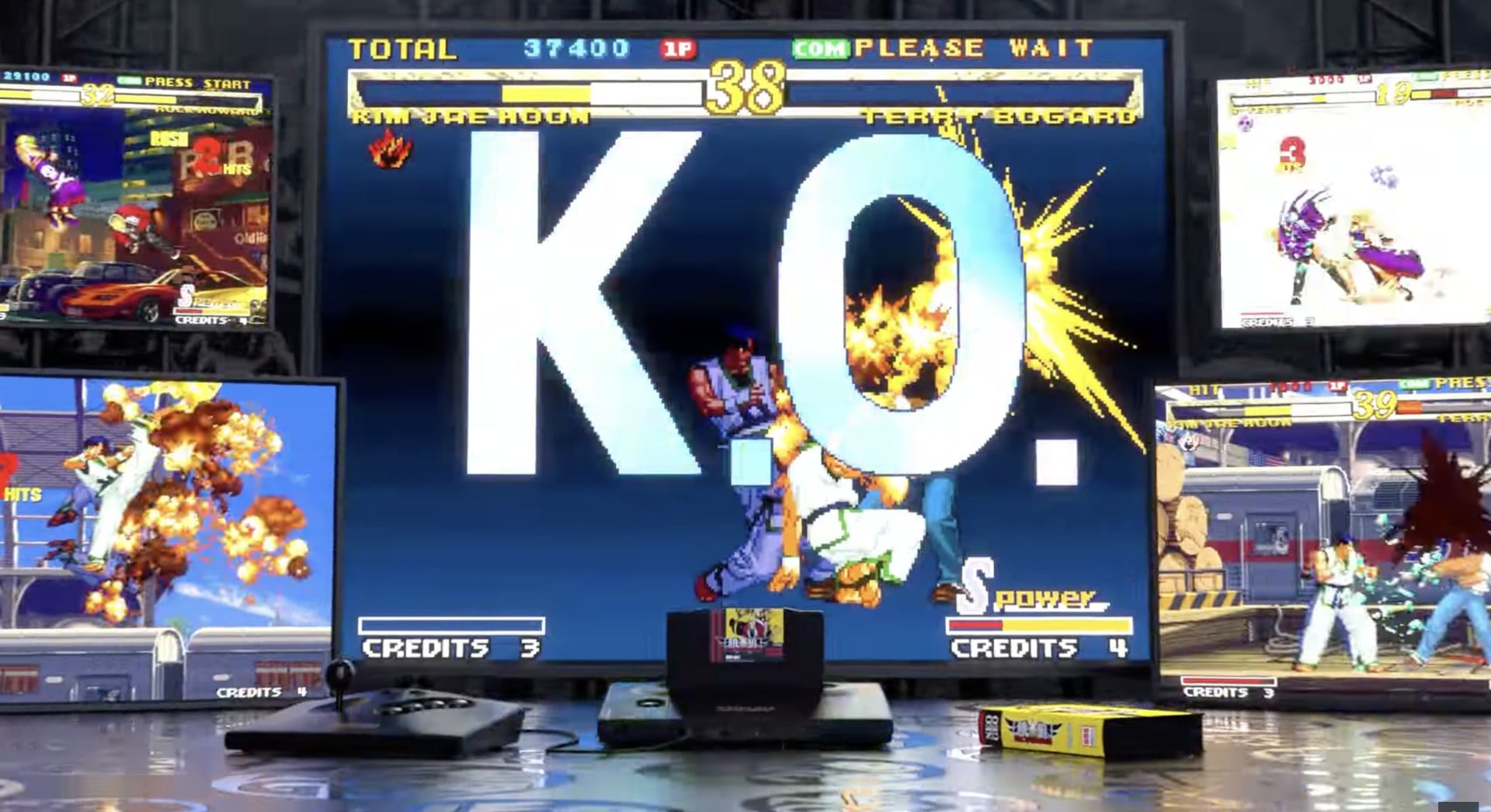
The retro gaming landscape shifted decisively this week as hardware, not just software, took center stage. Playmaji finally launched its long-delayed Polymega Ultra console, shipping the first units to pre-order customers, while simultaneously, SNK Corporation unveiled a surprise hardware revision of its popular Neo Geo Mini, dubbed the Neo Geo+, directly challenging the premium emulation space.
Key Facts
- Playmaji began shipping its Polymega Ultra consoles on April 15, 2026, fulfilling pre-orders placed since its announcement in late 2024. The system retails for $449.
- SNK Corporation announced the Neo Geo+ on April 17, 2026. It is a substantial hardware revision of the 2018 Neo Geo Mini, featuring Wi-Fi connectivity, an expanded 50-game library, and a new HDMI output capable of 1080p resolution.
- Nintendo filed a new trademark in Japan for "The Legend of Zelda: The Wind Waker" on April 14, 2026, sparking immediate speculation of a remaster or re-release for the Nintendo Switch 2.
- Limited Run Games confirmed a physical disc release for "Sea of Stars" on PlayStation 5 and Nintendo Switch, with pre-orders opening May 2, 2026.
- The Video Game History Foundation released its Q1 2026 Preservation Report, noting a 13% year-over-year increase in successfully archived "at-risk" titles from the 1990s, crediting improved collaboration with mid-sized publishers.
- Analysts at DFC Intelligence published a market brief estimating the global retro gaming hardware and software market will reach $12.7 billion in revenue for 2026, a figure that now includes premium devices like the Polymega.
Breaking It Down
The simultaneous arrival of the Polymega Ultra and the Neo Geo+ represents a fundamental split in the philosophy of retro gaming accessibility. Playmaji is betting on a high-fidelity, all-in-one approach. The Polymega Ultra’s value proposition is its modular, system-specific emulation bases and its legally complex but user-friendly disc-reading functionality. Its success or failure hinges on delivering the flawless performance and build quality that justified its lengthy development cycle and premium price tag. Early adopters are not just buying a console; they are investing in Playmaji’s vision of a centralized, preservation-grade platform.
The Neo Geo+’s inclusion of Wi-Fi for potential game updates or additions is a first for a dedicated retro mini-console from a major publisher.
This single feature from SNK is a quiet revolution. Prior mini-consoles from Nintendo, Sega, and Sony were effectively sealed time capsules. The Neo Geo+’s connectivity suggests a shift toward a hardware-as-a-service model, where the device can be updated, patched, or even have its game library expanded post-purchase. This moves the category from being a static collectible to a living platform, potentially increasing its longevity and value. It directly answers a common critique of earlier mini-consoles and applies a modern gaming paradigm to classic content.
Nintendo’s trademark activity for The Legend of Zelda: The Wind Waker is strategically significant beyond fan excitement. With the successor to the Nintendo Switch widely expected for a 2026 release, renewing trademarks for flagship GameCube titles serves a dual purpose: it protects intellectual property and strategically seeds the market for a potential virtual console or backward compatibility service. A re-release of Wind Waker would act as a powerful bridge between generations, leveraging nostalgia to drive adoption of new hardware while satisfying demand for classic content that the original Switch’s online service has only partially met.
What Comes Next
The coming months will determine whether this hardware surge is a sustainable trend or a bubble. The performance of the Polymega Ultra in the market and the critical reception of the Neo Geo+ will set the tone for other publishers considering similar ventures.
- May 2026: The first substantive reviews and user reports for the Polymega Ultra will surface, providing a real-world assessment of its emulation accuracy, build quality, and disc-reading reliability. Any widespread hardware flaws could cripple Playmaji.
- E3 Season (June 2026): All eyes will be on Nintendo’s official unveiling of its next-generation console. Confirmation or denial of robust backward compatibility—and the potential role of GameCube titles like Wind Waker—will reshape the entire retro market strategy.
- July 2026: The scheduled retail launch of the Neo Geo+. Its sales performance against its predecessor and other mini-consoles will be a key metric for the viability of the "connected retro console" model.
- Q3 2026: Decisions from Sega and Sony. Market analysts anticipate that if the Neo Geo+ is successful, Sega may announce a follow-up to its Genesis Mini II, and Sony may finally revisit its dormant PlayStation Classic line with a more compelling offering.
The Bigger Picture
This week’s news underscores two major, converging trends in technology. First, the Mainstreaming of Emulation. Once the domain of hobbyists and pirates, software emulation is now a commercially sanctioned, billion-dollar business. Companies like Playmaji and even SNK (through its new hardware) are packaging emulation in consumer-friendly, legal hardware, forcing traditional platform holders to reconsider their approach to their own back catalogs.
Second, we are witnessing the Commodification of Nostalgia. Retro gaming is no longer a niche; it is a targeted market segment with distinct tiers. The Neo Geo+ caters to the casual nostalgic buyer, while the Polymega Ultra targets the high-end enthusiast and preservationist. This stratification mirrors trends in other entertainment sectors and demonstrates that "old" technology, when repackaged with modern convenience and quality, holds significant and lasting economic value.
Key Takeaways
- Hardware Wars Begin: The retro gaming market is escalating from software and mini-consoles to competitive, premium hardware platforms like the Polymega Ultra and enhanced editions like the Neo Geo+.
- The Connected Classic: SNK’s inclusion of Wi-Fi in the Neo Geo+ pioneers a shift from static retro boxes to updatable platforms, potentially transforming the business model for future dedicated classic consoles.
- Backward Compatibility Pressure: Nintendo’s Wind Waker trademark and the success of third-party hardware intensify pressure on platform holders to offer robust, official backward compatibility in their next-generation systems.
- Market Validation: The $12.7 billion retro market valuation confirms that classic gaming is a permanent, major sector of the video game industry, driving investment and innovation from both legacy publishers and new entrants.


