TL;DR
A hacker reverse-engineered and wirelessly compromised a Dreo CLF513S ceiling fan's remote control protocol, demonstrating that even simple IoT devices lack basic security protections. This matters because it exposes the widespread vulnerability of consumer RF-based smart home devices—and the lack of any industry standard for securing them—six years after similar attacks on garage doors and car key fobs.
What Happened
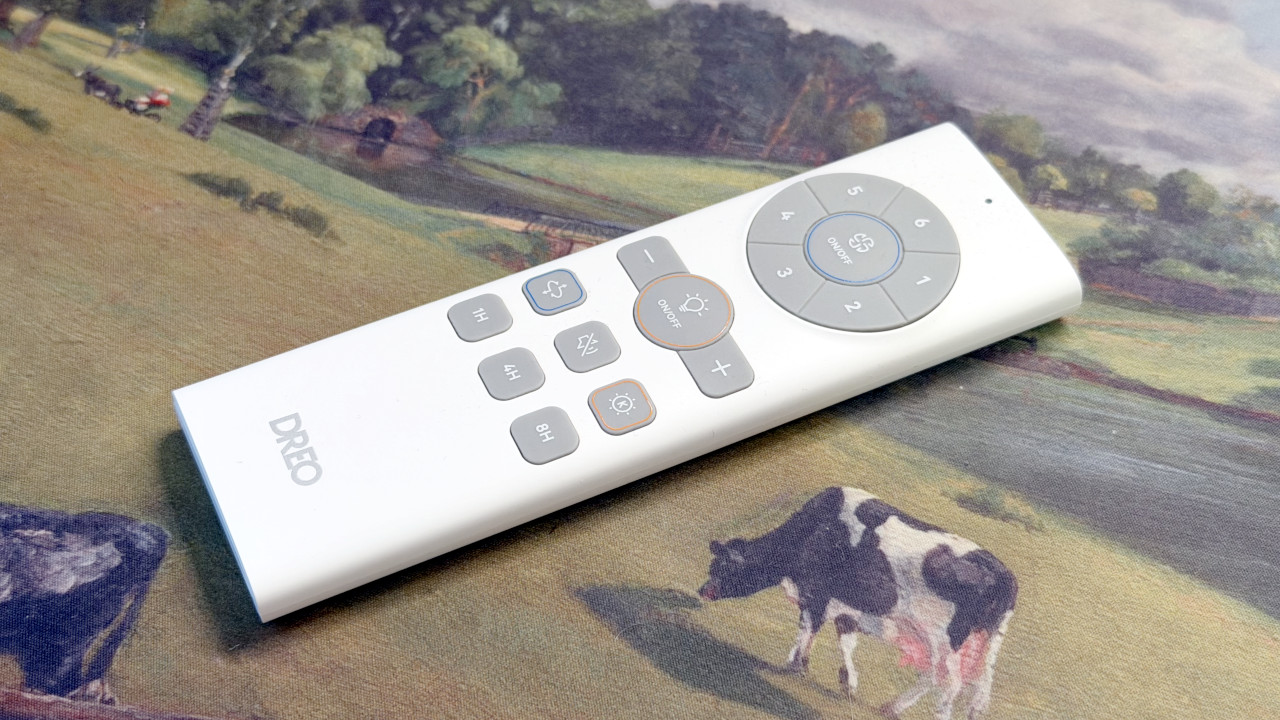
Sam Wilkinson bought a Dreo CLF513S ceiling fan for his home, expecting a cheap, functional appliance. Instead, he discovered its remote control used an unencrypted, predictable RF signal that could be trivially captured and replayed with off-the-shelf hardware. Within hours, Wilkinson had built a device that could turn the fan on, off, or change its speed from over 100 feet away—without the original remote.
Key Facts
- The Dreo CLF513S ceiling fan uses a 433 MHz RF remote with no encryption, rolling codes, or authentication.
- Wilkinson captured the remote's signal using a $20 RTL-SDR dongle and replayed it with a $10 Arduino Nano and a cheap 433 MHz transmitter module.
- The attack works from over 100 feet through walls, meaning an attacker could control the fan from outside the victim's home.
- Dreo did not implement any security features in the remote protocol, despite the fan being sold as recently as 2025.
- The fan costs approximately $120 and is sold on Amazon and other major retailers, making it a common budget smart-home choice.
- Wilkinson published his full hardware schematic and code on GitHub, allowing anyone to replicate the attack.
- The vulnerability is not unique to Dreo—many ceiling fans, light fixtures, and other RF-controlled devices use the same unprotected 433 MHz protocol.
Breaking It Down
The Dreo CLF513S hack is a textbook case of security by obscurity—and it fails completely. The 433 MHz ISM band is unlicensed and widely used for garage door openers, weather stations, and remote controls. Manufacturers like Dreo treat these signals as "simple enough that no one would bother," but that assumption collapsed years ago. A motivated hobbyist with $30 in parts can now clone, modify, or jam any device using this protocol.
The cost of attacking a Dreo ceiling fan—roughly $30 in hardware and two hours of work—is less than the price of a single replacement remote, and the attack requires no physical access to the target device.
This is not a theoretical vulnerability. Wilkinson's GitHub repo includes a ready-to-flash Arduino sketch and wiring diagram. Anyone with basic soldering skills can build a device that silently controls any Dreo CLF513S within range. The implications extend beyond pranks: an attacker could repeatedly turn a fan on and off to damage its motor, create a nuisance, or use the predictable RF pattern as a covert channel for triggering other devices.
The fan's lack of rolling codes—a technology that has been standard in garage door openers since the 1990s—is the core failure. Rolling codes generate a new code for each button press, making replay attacks useless. Dreo chose to save a few cents per unit by omitting this feature, prioritizing cost over security in a product that connects wirelessly to the home. This is the same calculus that led to vulnerabilities in baby monitors, smart plugs, and security cameras over the past decade.
What Comes Next
-
Dreo will likely issue a firmware patch or recall—but only if media coverage forces their hand. The CLF513S may not support over-the-air updates, meaning a physical replacement of the remote or motor controller would be required. Expect a response within 30 days if the story gains traction.
-
Regulators may take notice. The FCC has previously fined companies for insecure RF devices under Part 15 rules, but enforcement is rare. This case could spur renewed calls for minimum security standards in consumer IoT, especially as California's SB-327 (IoT security law) and similar regulations evolve.
-
Third-party security modules will emerge. Expect companies like Flipper Zero or HackRF to release pre-built "fan defender" devices that detect and block unauthorized 433 MHz commands—or, conversely, tools that make the attack even easier to execute.
-
Other budget fan manufacturers will be scrutinized. Security researchers will likely test Hunter, Hampton Bay, and Westinghouse fans for similar vulnerabilities in the coming months, potentially uncovering a widespread industry problem.
The Bigger Picture
This story sits at the intersection of IoT security neglect and commodity hardware hacking. For over a decade, security researchers have warned that cheap smart-home devices ship with no security whatsoever—from TP-Link smart plugs with hardcoded passwords to Ring cameras with unencrypted video streams. The Dreo fan is just the latest example of a pattern that will not change until manufacturers face financial consequences.
The second trend is the democratization of RF hacking. Tools like the RTL-SDR, Flipper Zero, and Arduino have turned RF analysis from a specialized skill into a weekend hobby. What took national security agencies in the 2000s now takes a YouTuber with a $20 dongle. This lowers the barrier for both good-faith researchers and malicious actors—and manufacturers must adapt or face constant exploitation.
Key Takeaways
- [Dreo CLF513S lacks any RF security]: The fan uses a fixed-code 433 MHz protocol with no encryption or rolling codes, making it trivially replayable.
- [Attack cost is under $30]: An RTL-SDR dongle and Arduino Nano can capture and replay the fan's signal from over 100 feet away.
- [Industry-wide problem, not just Dreo]: Many budget ceiling fans, light fixtures, and smart-home devices use the same unprotected RF protocol.
- [Regulatory pressure is overdue]: This hack highlights the need for minimum security standards in consumer IoT, especially for devices that can be controlled from outside the home.