TL;DR
Samsung is transforming its Galaxy Watch from a passive fitness tracker into an AI-powered proactive health companion through a major Samsung Health app update rolling out June 8. This matters because it signals a strategic shift toward continuous health monitoring and intervention, not just data display, putting Samsung in direct competition with Apple's health ecosystem.
What Happened
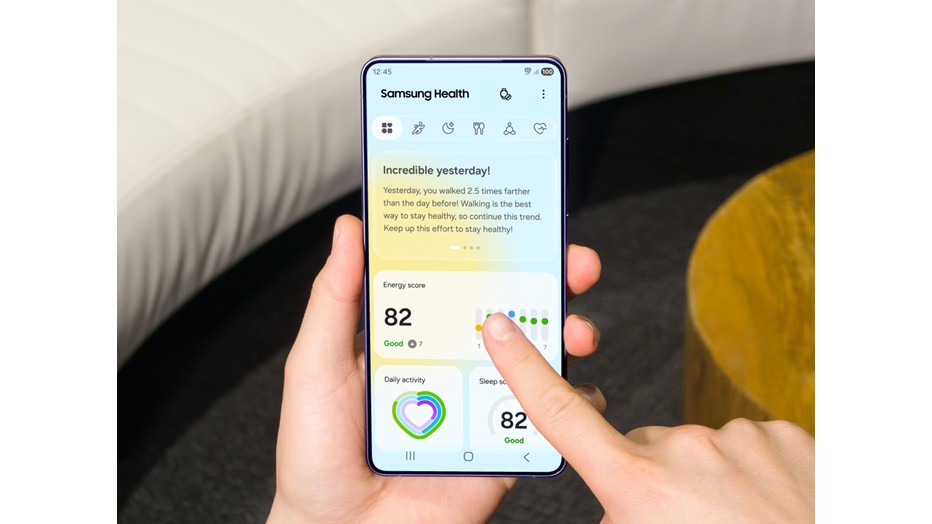
Samsung Electronics today announced a major update to the Samsung Health app, turning the upcoming Galaxy Watch into a proactive, intelligent health partner. Starting June 8, the company will begin rolling out the app update to showcase key health features that leverage on-device AI to analyze biometric data in real time and offer personalized coaching, alerts, and recommendations—moving beyond simple step counting to active health management.
Key Facts
- The Samsung Health app update launches June 8, 2026, with new AI-powered features rolling out to Galaxy Watch devices.
- The update transforms the watch from a passive tracker into a proactive health partner that analyzes data and offers real-time interventions.
- Key features include personalized sleep coaching, stress management alerts, and activity recommendations based on continuous biometric monitoring.
- The AI models run on-device to preserve battery life and protect user privacy, according to Samsung.
- Samsung positions this as a direct competitor to Apple's health ecosystem, which has dominated the smartwatch health market since the Apple Watch Series 4's FDA-cleared ECG in 2018.
- The announcement comes ahead of the expected Galaxy Watch 8 launch later this year, likely at the August Unpacked event.
- Samsung Health already has over 65 million monthly active users globally, giving the update a massive installed base.
Breaking It Down
Samsung's move is not merely a software update—it is a strategic pivot. For years, smartwatches have been excellent at collecting data: heart rate, steps, sleep duration, blood oxygen. But the industry has struggled to turn that data into actionable, meaningful guidance. Samsung is now betting that on-device AI can bridge that gap, effectively turning the wrist into a 24/7 health coach rather than a dashboard.
The critical shift is from "what happened" to "what should I do about it." Samsung's AI will analyze patterns—a rising resting heart rate combined with poor sleep quality—and suggest a recovery day, a stress-breathing exercise, or a hydration reminder. This is a fundamentally different value proposition than the current generation of watches, which simply display the numbers and leave interpretation to the user.
The on-device AI approach is also a deliberate privacy play. By processing biometric data locally, Samsung avoids sending sensitive health information to the cloud—a key differentiator from some competitors and a selling point for privacy-conscious consumers. This also reduces latency, enabling real-time alerts without a network connection.
The timing is aggressive. Apple has dominated the health-focused smartwatch market since 2018, when it introduced the first FDA-cleared ECG on a consumer wearable. Samsung's Galaxy Watch has always been a strong hardware competitor, but it has lagged in software-driven health features. This update aims to close that gap—and potentially leapfrog Apple in proactive AI coaching, an area where Apple has moved cautiously due to regulatory concerns.
What Comes Next
- June 8, 2026: The Samsung Health app update begins rolling out globally. Users with Galaxy Watch 4 and newer models will get access first, with older devices following in subsequent weeks.
- August 2026: Samsung is expected to unveil the Galaxy Watch 8 at its annual Unpacked event. The new hardware will likely be optimized for these AI features, possibly including a new AI co-processor for health sensing.
- Late 2026: Samsung will seek FDA clearance for at least one AI-driven health feature, likely related to atrial fibrillation detection or sleep apnea screening, to match Apple's regulatory achievements.
- 2027: Expect Samsung to expand the Health AI platform to other devices, including the Galaxy Ring (announced 2024) and potentially Galaxy Buds, creating a unified health ecosystem across wearables.
The Bigger Picture
This update sits at the intersection of two major trends: AI-on-device and preventive health tech. The entire wearables industry is racing to embed LLMs and machine learning models directly into devices, reducing cloud dependence and enabling real-time, personalized health interventions. Samsung's move validates that proactive health AI—not just passive monitoring—is the next battleground for smartwatches.
The second trend is health ecosystem consolidation. Samsung is not just updating a watch app; it is building a platform that spans the Galaxy Watch, Galaxy Ring, and future wearables. This mirrors Apple's strategy of integrating Health, Watch, and iPhone into a seamless health data loop. The winner of this race will own the user's health data—and the sticky services that come with it. With 65 million monthly active users on Samsung Health, Samsung has a formidable base to defend and monetize.
Key Takeaways
- [Proactive AI Shift]: Samsung is moving from passive data display to real-time, AI-driven health coaching, a direct challenge to Apple's health ecosystem.
- [June 8 Launch]: The Samsung Health app update begins rolling out on June 8, 2026, to Galaxy Watch 4 and newer models.
- [On-Device Privacy]: All AI processing happens locally on the watch, preserving battery life and protecting sensitive biometric data.
- [Regulatory Race]: Samsung's next step is likely FDA clearance for specific AI health features, a critical milestone to match Apple's medical credibility.