TL;DR
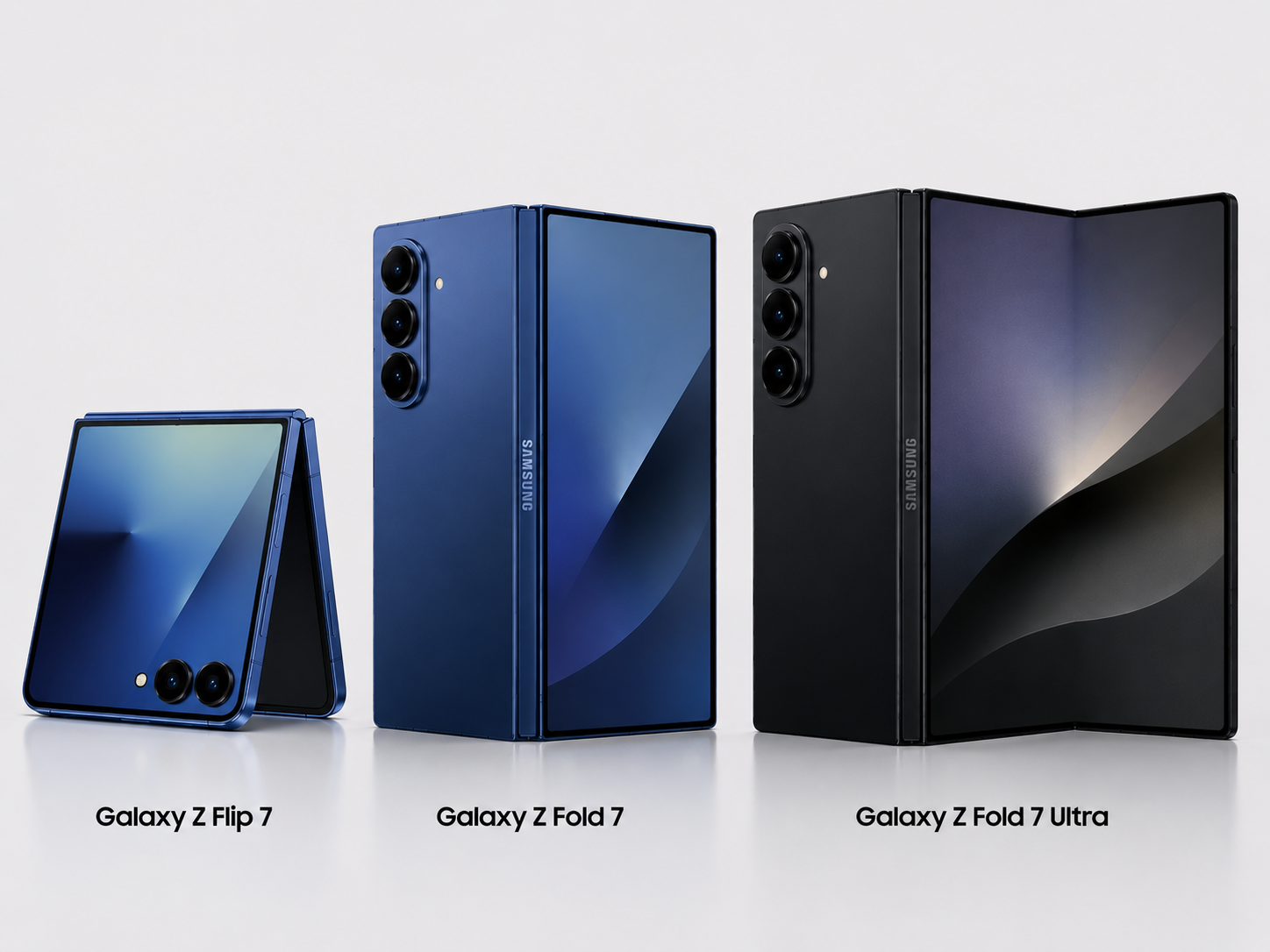
A leak of alleged screen protectors for Samsung's Galaxy Z Flip 8, Z Fold 8, and Z Fold 8 Ultra reveals a wider, shorter design for the Fold 8 and a clearer physical differentiation across the foldable lineup. This matters because Samsung is facing increasing competition from Chinese rivals like Huawei and OnePlus, and the leak suggests a strategic pivot toward distinct form factors rather than incremental upgrades.
What Happened
A leak from Notebookcheck.net on June 14, 2026, disclosed alleged screen protectors for three upcoming Samsung foldable models — the Galaxy Z Flip 8, Z Fold 8, and Z Fold 8 Ultra — providing the first side-by-side size comparison of the devices. The leaked protectors point to a wider, shorter Galaxy Z Fold 8 design, breaking from the narrow, tall form factor that has defined the Fold series since its 2019 debut.
Key Facts
- The leak was published by Notebookcheck.net on June 14, 2026, citing alleged screen protectors sourced from an unnamed supply chain insider.
- Three models are depicted: the Galaxy Z Flip 8, Galaxy Z Fold 8, and Galaxy Z Fold 8 Ultra, marking the first time Samsung is expected to release a "Ultra" tier foldable.
- The Galaxy Z Fold 8 appears wider and shorter than its predecessor, the Z Fold 6, with a cover screen aspect ratio reportedly moving closer to 22:9 from the current 23.1:9.
- The Galaxy Z Fold 8 Ultra is shown as larger in both dimensions than the standard Fold 8, suggesting a 6.9-inch inner display or larger, compared to the Fold 8's expected 7.6-inch screen.
- The Galaxy Z Flip 8 retains its clamshell form factor but appears slightly taller, with the cover display potentially expanding from the current 3.4 inches to 3.7 inches.
- Samsung is expected to unveil these devices at its Galaxy Unpacked event in August 2026, alongside the Galaxy S26 series.
- The leak follows Huawei's Mate X6 and OnePlus Open 2, which have already adopted wider cover screens, pressuring Samsung to adapt.
Breaking It Down
The most striking implication of this leak is not the size changes themselves, but what they signal about Samsung's product strategy. For years, Samsung maintained a single Fold model per generation, with incremental improvements in hinge durability, camera quality, and processor speed. The introduction of a Z Fold 8 Ultra alongside a standard Fold 8 represents a fundamental shift: Samsung is now treating foldables as a multi-tier category, much like the S-series, where the Ultra commands a premium price and distinct hardware.
The Galaxy Z Fold 8 Ultra's alleged 6.9-inch inner display would make it the largest foldable phone Samsung has ever produced, surpassing even the Z Fold 6's 7.6-inch screen by a significant margin when accounting for bezel reductions.
This size increase is not arbitrary. Samsung is responding directly to Huawei's Mate X6, which launched in February 2026 with a 7.85-inch inner display and a cover screen aspect ratio of 20.5:9 — almost identical to the rumored Fold 8 dimensions. The Chinese market, where Samsung's foldable share has dropped from 15% in 2024 to an estimated 8% in early 2026, has been the proving ground for wider, more usable cover screens. Samsung's pivot to a shorter, wider Fold 8 indicates it has accepted that the narrow "remote control" design of the Fold 3 through Fold 6 was a competitive disadvantage.
The Galaxy Z Flip 8's design changes are more conservative but equally telling. By expanding the cover display from 3.4 inches to 3.7 inches, Samsung is following the path set by Motorola's Razr+ (2025), which offered a 3.6-inch cover screen. The Flip series has been Samsung's best-selling foldable, accounting for roughly 60% of its total foldable shipments in 2025. The company is unlikely to radically alter a winning formula, but it needs to keep pace with competitors who are offering larger cover screens for enhanced widget functionality and quick-reply capabilities.
The Z Fold 8 Ultra is the most intriguing device of the trio. If Samsung positions it as a direct competitor to the iPad Mini — as some analysts have speculated — it could mark the first serious attempt to create a foldable tablet-phone hybrid that justifies a $2,000+ price tag. The standard Fold 8 would then serve as the mainstream option, while the Ultra targets power users, artists, and professionals who want a larger canvas without carrying a separate tablet.
What Comes Next
The next few months will determine whether Samsung can execute on this broader vision. Several concrete developments are worth tracking:
-
August 2026 Galaxy Unpacked Event: Samsung is expected to officially unveil the Z Flip 8, Z Fold 8, and Z Fold 8 Ultra. The event will be the first test of whether the leaked dimensions are accurate and whether Samsung can deliver on the promise of a wider, more usable Fold design.
-
Pricing and Tier Differentiation: The Z Fold 8 Ultra could carry a price tag of $2,199 or higher, compared to the standard Fold 8's expected $1,899. If Samsung cannot clearly justify the Ultra's premium — through better cameras, faster charging, or exclusive software features — it risks cannibalizing sales of the standard model.
-
Competitor Responses: OnePlus is expected to launch the Open 2 in September 2026, and Google is rumored to be working on a Pixel Fold 2 with a wider cover screen. Samsung's design changes may force these rivals to further differentiate their own products.
-
Supply Chain Confirmation: Leaked screen protectors are not final hardware. The most reliable confirmation will come from regulatory filings (such as FCC listings in July 2026) and component supplier reports from Samsung Display and Corning.
The Bigger Picture
This leak fits into two broader trends reshaping the smartphone industry. The first is foldable market maturation: after five generations of iterative improvements, the category is finally seeing meaningful form factor divergence. Samsung's move to a wider Fold 8 and an Ultra tier signals that foldables are no longer a single "experiment" but a multi-product segment with distinct use cases — from the compact Flip to the productivity-focused Fold Ultra.
The second trend is competitive pressure from Chinese OEMs. Huawei, OnePlus, and Honor have been aggressively iterating on foldable designs, often leapfrogging Samsung in display quality and charging speeds. The Galaxy Z Fold 8's wider aspect ratio is a direct concession to this competition. If Samsung fails to differentiate its Ultra model with unique software or hardware features — such as an integrated S Pen slot or a periscope zoom camera — it risks losing its position as the global foldable leader.
Key Takeaways
- [Design Pivot]: The Galaxy Z Fold 8 is moving to a wider, shorter form factor (rumored 22:9 aspect ratio) to compete with Huawei and OnePlus, abandoning the narrow design that defined the Fold series since 2019.
- [Ultra Tier]: Samsung is introducing a Z Fold 8 Ultra with a larger display (potentially 6.9+ inches), marking the first time the company will offer two distinct Fold models in one generation.
- [Incremental Flip]: The Galaxy Z Flip 8's cover display is expected to grow to 3.7 inches, a minor but necessary upgrade to match Motorola and maintain its status as Samsung's best-selling foldable.
- [August Deadline]: All three devices are expected at Samsung's Galaxy Unpacked event in August 2026, with pricing and final specifications to be confirmed via regulatory filings in July.