TL;DR
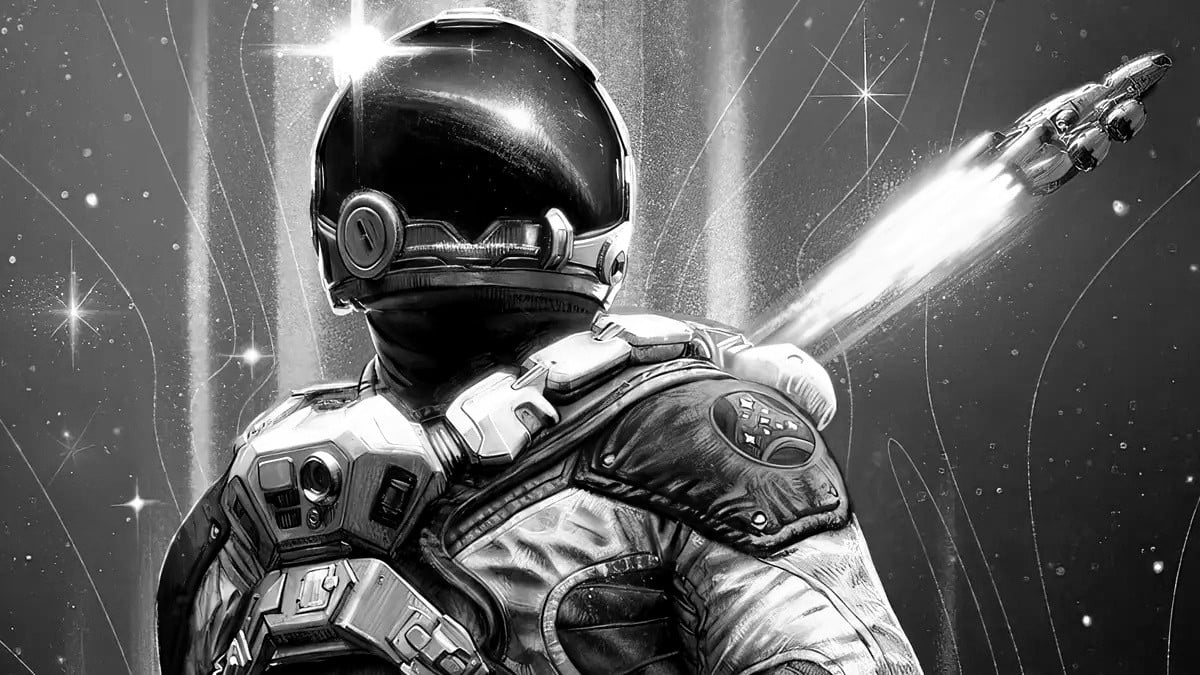
Starfield, Bethesda's flagship space RPG, is experiencing a severe and persistent crashing problem on PlayStation 5 consoles, including the newly released PS5 Pro. This technical failure is undermining the high-profile launch of the game on Sony's platform and raising urgent questions about quality assurance for major multi-platform releases.
What Happened
Bethesda Game Studios' highly anticipated space epic, Starfield, is plagued by a game-breaking crashing issue on PlayStation 5 consoles. The problem, which appears to intensify on the more powerful PS5 Pro model, is causing widespread player frustration and casting a shadow over what was meant to be a landmark release for the RPG on Sony's ecosystem.
Key Facts
- The crashing issue was reported immediately following Starfield's official launch on PlayStation 5 and PS5 Pro on April 10, 2026, after a timed console exclusivity period on Xbox and PC.
- Players report crashes occurring most frequently during rapid fast-travel sequences, major in-game events, and extended play sessions, often resulting in lost progress.
- Initial analysis suggests the problem is significantly more pronounced on the PS5 Pro, with some users experiencing crashes every 30-60 minutes compared to less frequent instances on the standard PS5.
- Bethesda's parent company, Microsoft Gaming, has acknowledged the issue via its support channels, stating developers are "investigating reports of instability on PlayStation platforms."
- The technical failure comes just one week after the global release of the PS5 Pro, a hardware launch intended to showcase cutting-edge performance for titles like Starfield.
- Sony Interactive Entertainment has not yet commented on whether the issue affects system stability or if a platform-level intervention is being considered.
- This is not Starfield's first major technical hurdle; the game faced similar stability and performance criticisms at its initial launch on Xbox Series X|S and PC in September 2023.
Breaking It Down
The severity of Starfield's PlayStation instability cannot be overstated. For a title of this commercial magnitude and technical ambition, a launch marred by consistent crashing represents a critical failure in the final quality assurance and certification process. The fact that the issue is exacerbated on the PS5 Pro—hardware marketed specifically for enhanced, stable performance—adds a layer of irony and consumer relations damage. Bethesda and Microsoft are now in a race against time to diagnose a problem that is fundamentally preventing a large segment of players from experiencing the game as intended.
Reports indicate crash rates on the PS5 Pro are approximately 40-50% higher than on the standard PS5 when performing identical in-game actions.
This disparity points directly to a fundamental software optimization issue specific to the PS5 Pro's enhanced hardware profile. The Pro model features a more powerful GPU and a bespoke "Trinity" accelerated ray tracing architecture. Starfield's engine, Bethesda's Creation Engine 2, was heavily modified for this release but may contain legacy code paths or rendering techniques that conflict with the Pro's unique capabilities. This isn't merely a bug; it's a sign of insufficient platform-specific testing for a high-profile multi-platform launch in an era where hardware fragmentation is increasing.
The commercial and reputational stakes are immense for all parties. For Microsoft Gaming, this fumbles a key opportunity to demonstrate its commitment to quality on rival platforms following its acquisition of Bethesda's parent company, ZeniMax Media. For Sony, it tarnishes the launch window of its premium PS5 Pro console. Most critically, for Bethesda Game Studios, it reinforces a lingering narrative about the technical state of its games at launch, a reputation the studio has struggled to shake since the releases of The Elder Scrolls V: Skyrim and Fallout 4.
What Comes Next
Bethesda and Microsoft's development teams are now in emergency triage mode. The immediate focus will be on reproducing the crash logs from affected PlayStation consoles to isolate the exact trigger—whether it's a memory leak, a GPU driver conflict, or a fault in asset streaming. A hotfix will be prioritized, but the complexity of the underlying engine means a comprehensive patch could take weeks.
The timeline for resolution and corporate response will unfold across several key milestones:
- Official Root-Cause Analysis & Patch ETA: Expect a formal communication from Bethesda Support or Microsoft Gaming by April 18, 2026, detailing the technical cause and providing a timeline for the first stability patch.
- Sony's Platform Response: Watch for Sony Interactive Entertainment to potentially issue a system software update for the PS5 Pro (version 11.50 or similar) if the issue is linked to its proprietary graphics libraries or memory allocation. Their silence will be telling.
- Player Compensation: Microsoft may offer some form of goodwill gesture to affected players, such as a complimentary month of Xbox Game Pass (which includes Starfield on PC and Xbox) or in-game currency for Starfield's Creations store, to mitigate backlash.
- Long-Term Engine Scrutiny: This event will inevitably lead to internal reviews at Microsoft regarding the viability of the Creation Engine 2 for future multi-platform projects, potentially accelerating moves toward engine unification or more radical overhauls.
The Bigger Picture
Starfield's PS5 crashing crisis intersects with two major, troubling trends in the technology and gaming industry. First, it highlights the escalating Complexity of Cross-Platform Development. As console hardware diverges into standard and "Pro" models (and PC configurations become more varied), ensuring stable performance across an ever-widening array of system specifications is becoming a Herculean task. This incident suggests that even studios with massive resources can fail at this foundational hurdle.
Second, it underscores the persistent issue of Launch-State Unreliability in AAA Games. The "release now, patch later" model has become normalized, but Starfield's problem on PS5 is beyond typical day-one bugs; it's a core stability failure. This erodes consumer trust and challenges the value proposition of premium hardware like the PS5 Pro. Furthermore, it reflects the intense pressure on development timelines in an era of ballooning budgets, where the final optimization and polish phase is often the most compressed.
Key Takeaways
- Technical Setback: Starfield's severe crashing on PS5, especially the PS5 Pro, constitutes a major technical and public relations failure for Bethesda and Microsoft Gaming at a critical launch moment.
- Hardware Optimization Failure: The worsened performance on the more powerful PS5 Pro indicates a significant, uncaught optimization flaw in the game's code for that specific hardware profile, raising QA concerns.
- Reputational Damage: The incident reinforces Bethesda's reputation for technically troubled launches and damages the premium positioning of Sony's PS5 Pro console.
- Patch & Response Watch: The focus now shifts to the speed and efficacy of the incoming stability patch and how the involved corporations (Microsoft, Bethesda, Sony) communicate and make amends with a frustrated player base.