Introduction
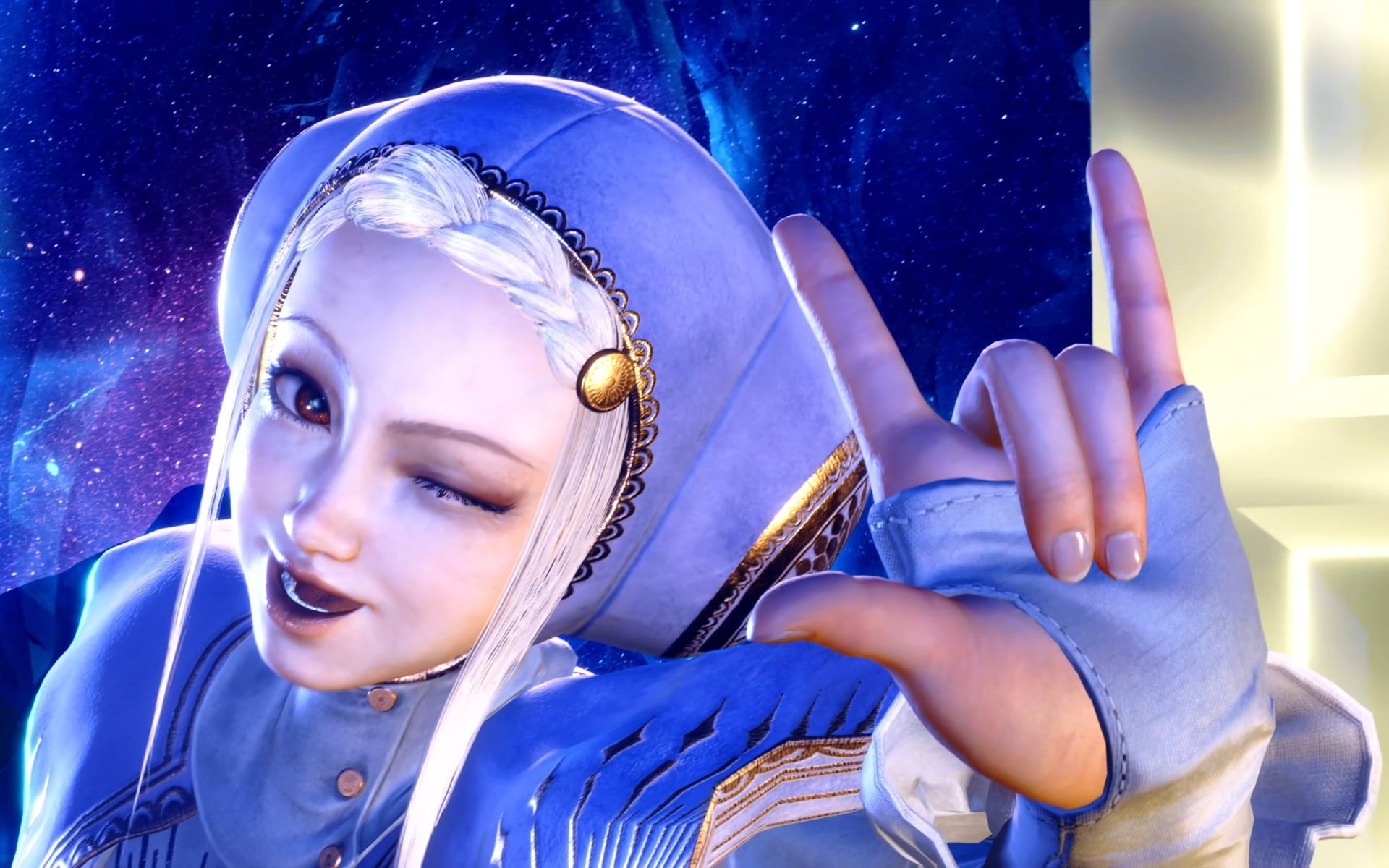
Capcom has confirmed the next downloadable content (DLC) fighter for its flagship fighting game, Street Fighter 6, will launch in "Late Spring" 2026. This announcement, arriving nearly three years after the game's initial release, signals a major extension of the title's planned content lifecycle and underscores the evolving economic model for premium AAA live-service games.
Key Facts
- Game: Street Fighter 6, developed and published by Capcom.
- Announcement Date: Friday, April 3, 2026.
- Release Window: The next DLC fighter is scheduled for "Late Spring" 2026.
- Current Status: This represents the first official glimpse of post-Year 2 content.
- Platforms: Street Fighter 6 is available on PlayStation 5, PlayStation 4, Xbox Series X|S, and PC via Steam.
- Prior Content: The game launched on June 2, 2023, with four DLC characters released in its first two years: Rashid (Summer 2023), A.K.I. (Autumn 2023), Ed (Winter 2024), and Akuma (Spring 2024).
Analysis
The confirmation of a new Street Fighter 6 character for late Spring 2026 is a strategic move with significant financial and community implications. By 2026, the game will be approaching its third anniversary, a point where previous franchise entries like Street Fighter V had largely concluded major character rollouts. Capcom's decision to extend support this far post-launch is a direct reflection of Street Fighter 6's commercial success. The company reported in February 2025 that the title had sold over 4 million units globally, a faster pace than its predecessor, and that its "recurring user spending" from the Fighter Pass and cosmetic items was exceeding expectations. This extended DLC roadmap is designed to maintain that revenue stream and player engagement well beyond the traditional two-year season pass model, directly competing with free-to-play giants like Riot Games' Project L, which is expected to have launched by this period.
This announcement also serves as a critical retention tool within the fighting game community (FGC) ecosystem. The competitive scene for Street Fighter 6 remains robust, with the Capcom Pro Tour 2025 underway and viewership for major events like EVO 2025 projected to be strong. Introducing a new character in late Spring 2026 strategically places fresh gameplay dynamics just before the expected start of the Capcom Pro Tour 2026 season. This injects meta-level uncertainty and excitement, compelling both professional players and the broader audience to re-engage with the title's competitive landscape. It effectively guarantees that Street Fighter 6 will remain the centerpiece of Capcom's esports efforts for a fourth consecutive year, a longevity previously unseen in the franchise.
For the broader video game industry, Capcom's extended support model for Street Fighter 6 exemplifies the maturation of the "games-as-a-platform" strategy for premium titles. Unlike a free-to-play service, Capcom recouped significant upfront revenue from initial sales and a Year 1 Character Pass, and is now leveraging a smaller, dedicated player base for sustained monetization. This approach, also seen with titles like Bandai Namco's Tekken 8 (which launched its own multi-year DLC plan in 2024), demonstrates that fighting games—a genre with high technical depth and spectator appeal—are particularly well-suited to this extended lifecycle. It reduces pressure for a full sequel, allowing developers to refine and expand a single, polished engine and suite of features over a longer period, as seen with NetherRealm Studios' support for Mortal Kombat 11 from 2019 to 2021.
However, this strategy carries inherent risks, primarily community fatigue and content pacing. The gap between the final Year 1 DLC character (Akuma in Spring 2024) and this newly announced "Late Spring 2026" fighter could span nearly two full years for players who do not purchase a potential "Year 2 Pass." Capcom must carefully manage this interim period with robust balance patches, new cosmetic collaborations, and engaging in-game events to maintain daily active users. Failure to do so could cede ground to competitors like Riot's Project L, which will likely employ a more aggressive, free-to-play-driven content schedule.
What's Next
The immediate focus will shift to Capcom's official reveal events, most likely at major gaming showcases in Summer 2025. The company has a history of using the Capcom Cup finals—scheduled for February 2026—as a premier announcement stage. A trailer revealing the new fighter's identity, gameplay, and backstory is almost certain to be featured there, building immense hype within the FGC ahead of the Spring 2026 release.
Beyond the character reveal, the community will scrutinize Capcom's monetization structure for this new phase of content. Will this single fighter be sold à la carte, or is it the first part of a new multi-character "Year 3 Pass"? The pricing and bundling strategy will be a key indicator of Capcom's long-term confidence in the title. Furthermore, players should expect a corresponding major balance update to accompany the fighter's launch, which will inevitably shift the competitive tier lists and require adaptation from the entire player base.
Industry observers will also watch for any accompanying technical or feature updates. Street Fighter 6 launched with cutting-edge netcode and the innovative "Drive System." By 2026, will Capcom introduce a new gameplay mechanic, a graphical upgrade for new console hardware, or significant expansions to the single-player "World Tour" mode? The DLC fighter's release window will be the logical moment to deploy such substantial updates, making the late Spring 2026 period a pivotal moment for the game's evolution.
Related Trends
This extended support cycle is a prime example of the "Live-Service Evolution of Premium Games." The traditional model of a game release followed by a sequel in 3-4 years is being supplanted by longer, sustained support for successful titles. This is driven by the high cost of developing new AAA engines and the proven profitability of recurring content revenue. Other franchises, such as Elden Ring with its "Shadow of the Erdtree" expansion in 2024 and the Monster Hunter series with its title-update model, demonstrate this same trend across genres. It allows publishers to maximize return on investment and maintain a stable community.
Secondly, the announcement ties into the "Fighting Game Genre Resurgence and Competition." The late 2020s are seeing unprecedented competition in the genre. Alongside Street Fighter 6 and Tekken 8, new entrants like Riot's Project L and the continued popularity of platform fighters like Super Smash Bros. Ultimate create a crowded market. Extended DLC roadmaps are a defensive strategy to lock in player loyalty and mindshare. This competition is driving higher quality and more consumer-friendly practices, such as improved netcode and robust rollback features becoming standard, as developers fight to retain their player bases in a thriving but competitive ecosystem.
Conclusion
Capcom's commitment to a late Spring 2026 DLC fighter for Street Fighter 6 is more than a simple content drop; it is a declaration of the game's status as a long-term platform. This move secures its competitive relevance, extends its revenue potential, and sets a new benchmark for post-launch support in the fighting game genre.