TL;DR
Ubisoft has revealed that The Division was originally conceived as a direct World of Warcraft clone, a massively multiplayer online RPG with a hot bar and a dog companion, before being radically retooled into the cover-based looter-shooter franchise known today. This revelation matters now as it highlights the intense industry pressure to chase proven genres and the high-stakes, often hidden, creative pivots that define blockbuster game development.
What Happened
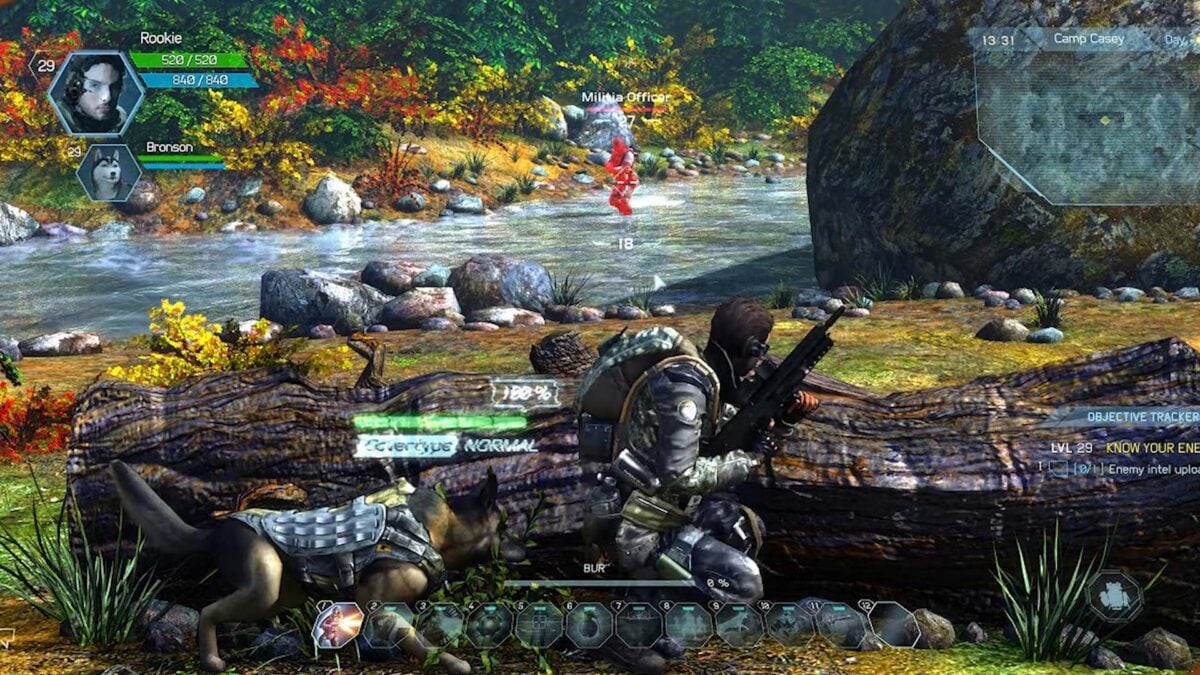
In a stunning disclosure about one of its flagship franchises, Ubisoft has pulled back the curtain on The Division's chaotic and radically different origin story. The game that would become a template for third-person, cover-based online shooters began its life not with tactical firearms, but with magical abilities, a persistent dog companion, and a hot bar of skills directly lifted from the MMORPG genre.
Key Facts
- Ubisoft Massive, the studio behind the franchise, initially pitched the project as a "WoW clone" set in a post-pandemic New York City.
- The original prototype, developed around 2010-2011, featured class-based fantasy RPG mechanics, including a hot bar for activating skills and spells.
- A key early feature was a permanent canine companion that would accompany the player throughout the entire game.
- The pivot to a cover-based tactical shooter occurred after internal feedback and market analysis suggested the original concept lacked broad appeal and a clear identity.
- The final product, Tom Clancy's The Division, launched on March 8, 2016, for PlayStation 4, Xbox One, and PC, selling over 20 million copies worldwide.
- The franchise has since expanded with The Division 2 (2019), a successful mobile game, and the upcoming The Division 3, currently in development at Massive under Julian Gerighty.
- This information was confirmed in a retrospective report published by Kotaku on Thursday, April 16, 2026.
Breaking It Down
The revelation that The Division was born from an attempt to clone Blizzard's World of Warcraft is more than a quirky footnote; it’s a case study in the volatile alchemy of AAA game development. In the late 2000s and early 2010s, the commercial and cultural dominance of World of Warcraft created a powerful gravitational pull across the industry. For a publisher like Ubisoft, which had success with persistent online worlds in Tom Clancy's Rainbow Six and Ghost Recon but not a true MMORPG, the temptation to enter the space with a recognizable brand was immense. The initial concept—a class-based RPG in a realistic, devastated setting—represents a fascinating collision of two disparate genres: high-fantasy MMO mechanics and Tom Clancy’s trademark near-future realism.
The pivot from a World of Warcraft clone to a cover-based shooter represents one of the most significant and successful mid-development course corrections in modern gaming history.
This fundamental shift was not a minor tweak but a complete creative overhaul. It required Ubisoft Massive to abandon years of prototyping work on RPG systems and companion AI to embrace an entirely different combat loop centered on ballistic realism, environmental cover, and gear-driven progression. The decision underscores a critical reality: in the face of a bloated development budget and unclear market positioning, even the most established publishers will sometimes tear down a foundational concept and rebuild from the ground up. The dog companion, a hallmark of the original vision, was a casualty of this shift, though echoes of it can be seen in later Division games with temporary drone and robotic companions.
The success of the pivot validated a crucial strategy for Ubisoft: leveraging its core competency in open-world design and shooter mechanics (Far Cry, Ghost Recon) and applying it to a new, service-based model. By grafting the loot and progression systems of an MMO onto a tactical third-person shooter, The Division effectively created the "looter-shooter" subgenre in a contemporary setting, distinct from Bungie's more sci-fi Destiny. This move allowed Ubisoft to capture the player engagement and recurring revenue models of an MMO without directly competing in the fantasy genre, where Blizzard remained an untouchable titan.
What Comes Next
The disclosure of The Division's origins arrives at a pivotal moment for the franchise and for Ubisoft as a whole. With the company navigating a challenging market and refocusing on its core brands, the pressure is on for the next installment to justify its existence and the dramatic creative journey that started it all.
- The development of The Division 3 under creative director Julian Gerighty will be scrutinized for any throwback RPG elements. Will the team revisit any abandoned concepts from the original prototype, such as deeper companion systems or class-based abilities, now that the core shooter identity is firmly established?
- Ubisoft’s upcoming slate of live-service games, including Star Wars Outlaws and the Assassin’s Creed Infinity hub, will face renewed questions about genre influence. This story highlights Ubisoft's history of adapting to dominant market trends; analysts will watch to see if these new projects represent genuine innovation or sophisticated iterations of existing popular formulas.
- The industry-wide conversation about project scope and creative risk will be reignited. As development costs soar past $200 million for top-tier games, publishers may become even more risk-averse, making bold mid-stream pivots like The Division's less likely. Alternatively, it may encourage more prototypes that blend genres in unexpected ways from the outset.
- Expect deeper investigative retrospectives into other major franchises. This revelation will likely prompt journalists and documentarians to probe the early development histories of other iconic games, seeking similar stories of abandoned concepts and dramatic reinventions that have remained hidden.
The Bigger Picture
This story connects directly to two powerful, ongoing trends in the technology and gaming sector. First, it exemplifies the Genre Dominance Cycle, where a single breakout hit (like World of Warcraft, PUBG, or Fortnite) creates a wave of imitators as publishers scramble to capture a proven audience. The Division’s journey shows how this cycle can sometimes lead not to a direct copy, but to a synthetic hybrid that becomes a new genre standard.
Second, it highlights the increasing importance of Service-Game Synthesis. The initial WoW-clone concept was fundamentally about building a persistent, subscriber-friendly world. The final Division product achieved a similar goal—long-term player engagement and recurrent spending—but through the mechanics of a shooter with seasonal content and a loot grind. This demonstrates how modern game publishers are not just chasing specific genres, but more importantly, the lucrative business models those genres enable, adapting them to fit their own studio strengths and IP portfolios.
Key Takeaways
- AAA Development Is Iterative Chaos: Even the most polished, genre-defining games can emerge from years of false starts, radical reboots, and abandoned concepts, with millions in development costs on the line.
- Market Forces Shape Creativity: The Division’s transformation was a direct response to market analysis and the daunting shadow of World of Warcraft, proving that commercial strategy is often the primary architect of a game’s core design.
- The "Looter-Shooter" Was an Accident: The hugely influential genre blend was not a premeditated innovation but the result of grafting MMO progression onto a tactical shooter framework during a desperate, high-stakes pivot.
- Ubisoft’s Adaptive DNA: The story reinforces Ubisoft’s corporate identity as a publisher that systematically identifies successful gameplay loops and business models, then adapts them to fit its own stable of open-world IPs.