TL;DR
The Fitbit Air is a minimalist, reliable fitness tracker that succeeds on its own terms, but Google’s integrated AI Health Coach feels like an unnecessary gimmick that undermines the device’s core appeal. This matters right now because it signals a tension between Google’s ambition to monetise health data through AI and users’ desire for simple, trustworthy hardware.
What Happened
Ars Technica’s review of the Fitbit Air—released on Friday, June 5, 2026—finds a device that nails the basics of a fitness tracker but stumbles when Google forces its AI Health Coach into the experience. The Air is praised for its minimalist design and reliable step, sleep, and heart-rate tracking, yet the AI coach is described as “too nice” and ultimately unnecessary, raising questions about whether Google is solving a real user problem or just chasing a trend.
Key Facts
- The Fitbit Air is a new minimalist fitness tracker from Google, reviewed by Ars Technica on June 5, 2026.
- The device succeeds as a reliable tracker for steps, sleep, and heart rate, according to the review.
- Google’s AI Health Coach is integrated into the Air, but the reviewer found it “too nice” and unnecessary.
- The AI coach offers generic encouragement and basic suggestions, which the reviewer says feel “like a friendly but clueless personal trainer.”
- The Air’s battery life and build quality are highlighted as strong points, with no major hardware complaints.
- The review notes that the AI coach does not provide actionable, personalised coaching beyond what a simple app notification could deliver.
- The product is positioned as a direct competitor to devices like the Whoop Band and Apple Watch SE, but the AI feature may alienate users seeking simplicity.
Breaking It Down
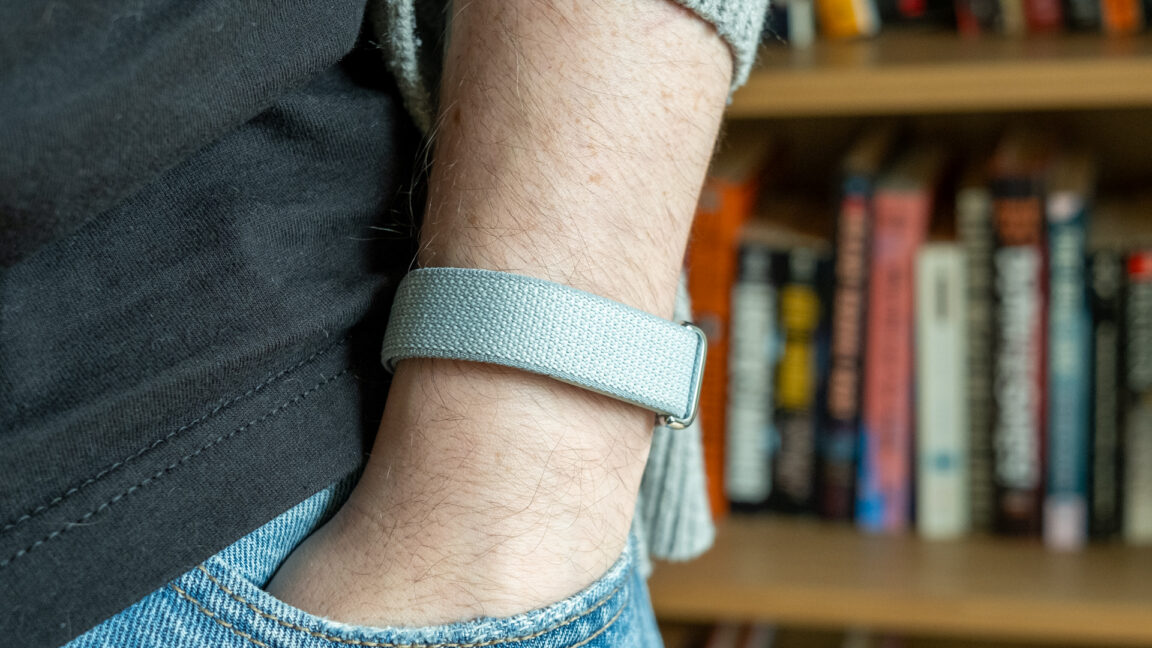
The Fitbit Air’s hardware is a clear win. It is lightweight, comfortable for all-day wear, and tracks the core metrics that fitness enthusiasts actually use—steps, sleep stages, resting heart rate, and activity duration. Ars Technica’s review confirms that the Air doesn’t try to be a smartwatch; it stays focused on fitness, and that discipline pays off. The battery lasts for days, the screen is readable in sunlight, and the companion app is clean. For someone who just wants to know if they walked enough and slept well, the Air delivers without fuss.
“The AI Health Coach feels like a friendly but clueless personal trainer—offering generic encouragement that quickly becomes annoying.” — Ars Technica, June 5, 2026
The problem is that Google couldn’t resist layering on its AI Health Coach, a feature that seems designed to justify the company’s investment in large language models rather than to solve a genuine user need. The coach sends notifications like “Great job hitting your step goal!” after a 15-minute walk, or “Try drinking more water tomorrow” without any context about the user’s actual hydration habits. This is not coaching; it’s a chatbot with a pedometer. The reviewer’s frustration is palpable: the Air’s simplicity is its strength, and the AI coach undermines that by adding noise.
This tension reflects a broader strategic challenge for Google. The company has spent billions on AI research and integration across its product lines, from Search to Photos to Workspace. But fitness tracking is a domain where trust and accuracy matter more than conversational flair. Users want their data to be private, their insights to be evidence-based, and their device to stay out of the way. The AI Health Coach does none of these things well. It feels like a feature built for a demo day, not for daily use.
The comparison to Whoop and Apple Watch SE is instructive. Whoop offers a subscription-based coaching model that uses strain and recovery metrics to provide genuinely personalised recommendations—no AI chatbot needed. Apple Watch SE leans on the Health app’s trend analysis and third-party integrations. Both platforms respect the user’s intelligence. Google’s AI coach, by contrast, treats the user like a child who needs a gold star for every step.
What Comes Next
Google is unlikely to abandon the AI Health Coach, given its centrality to the company’s broader AI strategy. But the Ars Technica review signals that the feature needs significant rethinking—or a kill switch.
- Google will likely iterate on the AI coach in a software update within 3–6 months, based on user feedback and review criticism. Expect more personalised, data-driven suggestions rather than generic cheerleading.
- Competitors will take note. Whoop and Apple may highlight their own coaching features in marketing, contrasting them with Google’s misstep. Look for comparative reviews and ad campaigns in Q3 2026.
- A “Pro” mode or toggle to disable the AI coach entirely could appear in a future firmware update, as Google responds to backlash from power users.
- The Fitbit Air’s sales data will be telling: if it sells well despite the AI coach complaints, Google may double down; if sales disappoint, expect a more radical redesign for the next generation (likely late 2027).
The Bigger Picture
This story sits at the intersection of two powerful trends: AI Integration Fatigue and Minimalist Hardware Resurgence. Consumers are increasingly wary of features that feel bolted on to justify AI investments, especially in categories like wearables where trust and reliability are paramount. At the same time, the success of devices like the Whoop Band and Garmin’s Venu series shows a growing appetite for dedicated fitness trackers that don’t try to be everything to everyone.
Google’s challenge is that it is simultaneously a data company, an AI company, and a hardware company. Those identities can conflict. The Fitbit Air’s hardware is a testament to Google’s ability to design and manufacture a compelling device. But the AI Health Coach reveals a company that still hasn’t learned when to say “no” to its own technology. The broader lesson is that AI, no matter how advanced, cannot substitute for thoughtful product design that respects the user’s time and attention.
Key Takeaways
- [Hardware Success]: The Fitbit Air excels as a minimalist fitness tracker with reliable step, sleep, and heart-rate tracking, strong battery life, and comfortable build.
- [AI Misstep]: Google’s AI Health Coach is too generic and “nice” to be useful, undermining the device’s core appeal of simplicity.
- [Strategic Tension]: The feature reflects Google’s broader push to monetise AI across products, even where it adds little user value.
- [Competitive Landscape]: The Air competes with Whoop and Apple Watch SE, but the AI coach may push users toward rivals that offer more personalised, less intrusive coaching.

![YouTube Premium price hike kicks in this month – will you cancel? [Poll] - 9to5Google — technology news on Trend Pulse](https://i0.wp.com/9to5google.com/wp-content/uploads/sites/4/2026/05/youtube-premium.jpg?resize=1200%2C628&quality=82&strip=all&ssl=1)
