TL;DR
The 2026 Game of the Year frontrunner is shaping up to be About Fishing, a meditative fishing simulator from the creators of the cult hit Arctic Eggs. This signals a major shift in industry prestige, where a quiet, narrative-driven indie title could dethrone the blockbuster franchises that have dominated the awards circuit for a decade.
What Happened
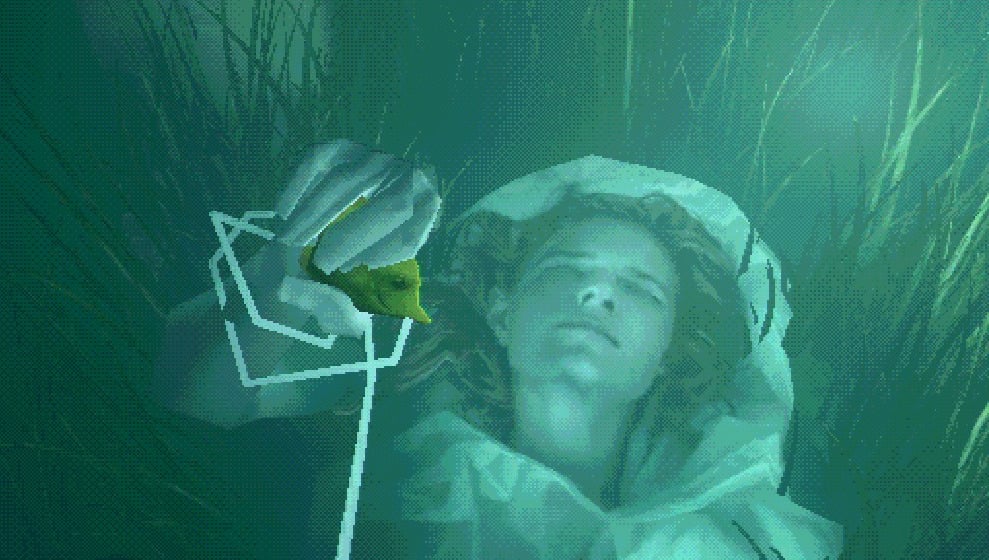
In a stunning industry pivot, the most anticipated and critically discussed title for the 2026 awards season is not a sprawling RPG or a cinematic action epic, but a contemplative fishing game. About Fishing, the next project from the enigmatic studio behind 2024's surprise narrative hit Arctic Eggs, has captured the zeitgeist with its promise of deep mystery and serene, atmospheric gameplay, positioning it as a legitimate contender for the highest honors in gaming.
Key Facts
- The game is being developed by the same independent studio that created Arctic Eggs, a 2024 title that sold over 2 million copies despite minimal marketing.
- About Fishing is described by its creators and previewing outlets like Kotaku as an "ambitious and alluring mystery," with a core fishing mechanic serving as a gateway to a larger, unfolding narrative.
- The preview, published by Kotaku on Sunday, April 5, 2026, indicates the game has the potential to "reel in even the most uncurious" players, suggesting broad appeal beyond genre enthusiasts.
- The project represents a significant conceptual and budgetary leap from the studio's previous work, which was a tightly focused, single-location experience.
- The gaming community's reaction to the preview has been overwhelmingly positive, with discussion forums and social media fueling intense speculation about the game's hidden mysteries.
- This development occurs in a year where several AAA tentpole releases from major publishers have been delayed into 2027, creating a more open competitive landscape.
Breaking It Down
The ascendancy of About Fishing as a Game of the Year candidate is less about the act of digital angling and more about the continued erosion of traditional genre hierarchies. For over a decade, GOTY awards have been the near-exclusive domain of high-fantasy epics, cinematic action-adventures, and expansive open worlds, typically requiring budgets exceeding $100 million. That a serene, indie-developed fishing simulator could be spoken of in the same breath represents a fundamental reordering of what the industry and its audience consider "prestige."
The studio's previous game, Arctic Eggs, achieved a 92 Metacritic score and 2 million sales with a team of fewer than 10 people and a budget a fraction of a standard AAA marketing campaign.
This figure underscores the potent efficiency and cultural impact achievable by small, focused teams. Arctic Eggs proved that profound narrative impact and commercial success are no longer tethered to budget size or graphical fidelity. Its success provided the capital and industry credibility for the team to pursue a more ambitious, systemically complex project like About Fishing. The trust built with a dedicated audience allows them to experiment with pace and genre in a way risk-averse large publishers cannot.
The specific choice of a fishing framework is analytically significant. At a surface level, fishing mechanics offer a proven, satisfying gameplay loop of patience and reward. On a deeper level, the act of fishing—waiting, observing a environment, engaging in a quiet struggle—is a perfect metaphor for the game’s promised "alluring mystery." It creates a natural rhythm where narrative revelations can surface organically, contrasting sharply with the constant, high-stakes stimulation of mainstream contenders. This positions About Fishing not just as a game, but as a specific experience fundamentally opposed to the prevailing design ethos of the last console generation.
Furthermore, the 2026 release window is uniquely fortuitous. With confirmed delays for major franchises, the awards season lacks the usual juggernauts. This vacuum allows critics and players to champion a title based purely on its artistic merit and emotional resonance, rather than its scale or commercial power. The conversation shifts from "which blockbuster was most polished" to "which game left the most lasting impression," a battlefield where an intimate, mysterious title like About Fishing can excel.
What Comes Next
The path to the 2026 Game of the Year awards is now a critical test case for the influence of indie innovation versus traditional AAA spectacle. The coming months will be defined by several key milestones:
- The Summer 2026 Festival Circuit: All eyes will be on whether About Fishing receives a playable demo or extended presentation at events like Summer Game Fest or the rebranded E3. Its reception by hands-on press will be crucial in sustaining hype.
- A Firm Release Date Announcement: The Kotaku preview did not confirm a launch date. The studio must announce a specific 2026 date, likely in the quieter Q3 period, to qualify for year-end awards and avoid getting lost in a crowded Q4.
- The Emergence of Direct Competition: Other studios may fast-track or highlight their own innovative, non-traditional titles to capitalize on the buzz. The narrative of "indie vs. AAA" will crystallize once the full 2026 lineup is clear, including any surprise AAA releases.
- The Review Embargo Lift (Likely October-November 2026): This will be the ultimate test. If critical reviews mirror the preview's fervor and award perfect or near-perfect scores, About Fishing will transition from a dark horse to the official frontrunner, putting immense pressure on award voters.
The Bigger Picture
The phenomenon of About Fishing is a direct product of two converging broader trends in technology. First, the democratization of game development tools through accessible engines like Unity and Unreal, combined with robust digital storefronts, has permanently leveled the playing field. A small team can now produce work that rivals giants in creativity and polish, redirecting industry attention toward novel ideas rather than sheer graphical horsepower.
Second, it reflects a growing consumer and critical appetite for ambient and meditative gameplay. In an era of constant digital noise and live-service game demands, titles that offer reprieve—such as PowerWash Simulator, Journey, or Stray—have found massive audiences. About Fishing sits at the apex of this trend, offering not just relaxation but a layered narrative purpose to its quietude. Furthermore, the content creator economy plays a role; a game built on mystery and discovery is perfectly suited for streaming and community-driven puzzle-solving, which can propel a title to viral, award-worthy status organically.
Key Takeaways
- Industry Prestige Redefined: The criteria for Game of the Year are expanding beyond cinematic scope and budget to prioritize unique artistic vision, emotional resonance, and innovative design, regardless of genre.
- Indie Studio Ascendancy: A successful indie can now leverage its credibility to create a legitimate awards contender, operating on a development model that is both financially sustainable and critically potent.
- The Power of Contrast: In a market saturated with high-intensity action, a deliberately paced, atmospheric experience can stand out profoundly, capturing audience and critic attention precisely because it offers a different value proposition.
- The Open 2026 Field: Strategic delays in the AAA segment have created a rare opportunity for a non-traditional title to dominate the annual awards conversation, making the 2026 GOTY race a historic benchmark.