TL;DR
Major plot and character details for two of the most anticipated blockbusters of 2026, James Cameron's "Avatar 3" and Illumination's "The Super Mario Galaxy Movie," have been widely disseminated on Twitter. This incident underscores the platform's persistent role as a primary vector for high-stakes media leaks, raising urgent questions about content security and digital rights management in an era of fragmented social media.
What Happened
Over the weekend of April 5, 2026, a significant breach of Hollywood and gaming intellectual property flooded Twitter timelines. Major narrative and visual details from two of 2026's most anticipated releases—"Avatar 3" and "The Super Mario Galaxy Movie"—were leaked in a coordinated wave of posts, turning the social media platform into a sprawling, unsanctioned spoiler forum. The leaks, which included character reveals, plot points, and concept art, spread rapidly despite takedown efforts, demonstrating the formidable challenge of containing information in a decentralized digital ecosystem.
Key Facts
- The leaked properties are James Cameron's "Avatar 3" (20th Century Studios/Lightstorm Entertainment) and Illumination's "The Super Mario Galaxy Movie" (Illumination/Nintendo).
- The leaks occurred on Sunday, April 5, 2026, and propagated primarily via Twitter, a platform still grappling with content moderation under its current ownership structure.
- For "Avatar 3," leaks reportedly detailed the introduction of new Na'vi clans adapted to volcanic environments, a central conflict involving the "Ash People," and significant character arcs for returning leads.
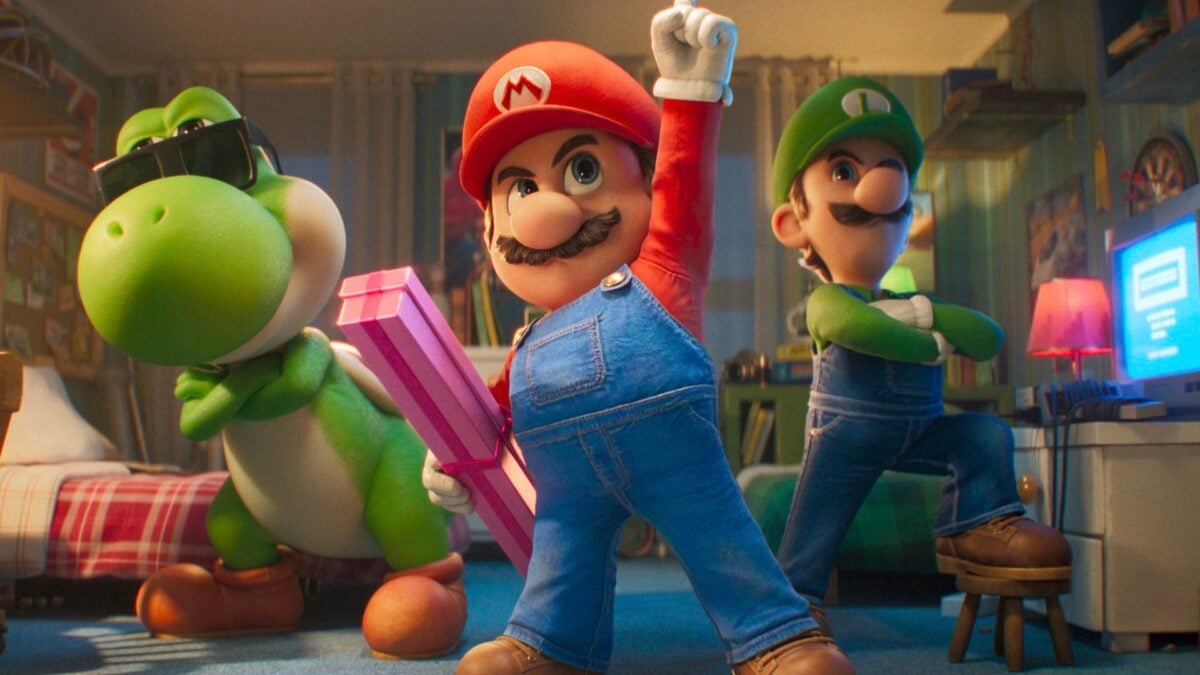
- For "The Super Mario Galaxy Movie," leaks included concept art of Rosalina and the Comet Observatory, plot details involving Luma companions and cosmic travel, and the potential appearance of villainous entities like Major Burrows.
- The source of the leaks is currently unconfirmed, though the scale and detail suggest a breach of internal production or marketing materials, not mere speculation.
- Both The Walt Disney Company (distributor of Avatar 3) and Nintendo (co-producer of the Mario film) are historically aggressive in protecting IP, making the scale of this leak particularly shocking.
- This event follows a pattern of major leaks on Twitter, including prior incidents for projects like "Star Wars: The Rise of Skywalker" and various Marvel Cinematic Universe films.
Breaking It Down
The immediate impact of these leaks is a direct assault on the curated marketing campaigns of two entertainment juggernauts. For James Cameron and Lightstorm Entertainment, whose Avatar franchise is built on theatrical spectacle and narrative surprise, the dissemination of key plot details undermines a core tenet of the experience. Similarly, for Nintendo—a company famously secretive to the point of litigation—the exposure of Rosalina and other Super Mario Galaxy elements strips away the carefully managed reveal strategy that fuels fan engagement. The financial stakes are immense; the previous Super Mario Bros. Movie grossed over $1.36 billion globally, while Avatar: The Way of Water surpassed $2.3 billion. Uncontrolled narrative spoilers can dampen audience curiosity and affect long-tail box office performance.
The "Avatar 3" leaks specifically mention the "Ash People," a faction of fire-adapted Na'vi, which represents a fundamental expansion of the franchise's world-building beyond the forests and reefs of Pandora previously seen.
This detail is analytically significant because it reveals the strategic creative direction of Cameron's saga. Introducing elemental opposites (fire vs. water/forest) creates clear thematic and visual conflict, but having this major world-building pillar revealed outside of a trailer or official featurette commoditizes the creative reveal. It shifts discussion from awe to forensic analysis, potentially reducing the cinematic impact. The leak forces 20th Century Studios into a reactive posture, possibly necessitating an accelerated official marketing rollout to reclaim the narrative—a costly and disruptive pivot.
The persistence of Twitter as the epicenter for such leaks is the second critical layer. Despite its well-documented shifts in policy, staffing, and verification under Elon Musk, the platform's core architecture—rapid retweetability, algorithmic amplification of engagement, and a weakened trust-and-safety apparatus—makes it uniquely susceptible to this form of digital contagion. The leaks did not originate on more moderated, niche forums or closed Discord servers; they exploded on the mainstream, public square of Twitter. This indicates that leakers perceive it as the highest-impact venue with the most favorable balance between reach and post-hoc enforcement, a damning indictment of current content governance.
What Comes Next
The immediate aftermath will see a legal and digital firefight. The legal teams at Disney and Nintendo will issue a barrage of Digital Millennium Copyright Act (DMCA) takedown notices to Twitter and any other platforms hosting the material. The speed and efficacy of Twitter's compliance will be a major test of its operational relationships with major content creators. Concurrently, internal investigations will launch at Lightstorm, Illumination, and their partners to trace the source of the breach, which could lead to significant personnel or security protocol changes.
The strategic response from the studios' marketing divisions will be equally crucial. They must now decide whether to ignore the leaks, acknowledge them obliquely, or fully pivot their campaign strategies.
- The Official "Avatar 3" Trailer Release: Watch for an accelerated timeline for the first full trailer. Disney may move its release from a planned summer 2026 slot to as early as May or June 2026 to drown out leaked text with official, high-impact visuals and reassert control.
- Nintendo's Next Direct Presentation: The next major Nintendo Direct, likely in June 2026, will be scrutinized for any official mention or showcase of The Super Mario Galaxy Movie. Nintendo may choose to formally unveil character designs for Rosalina and Lumas to co-opt the conversation.
- Twitter's Policy Enforcement Metrics: Industry analysts will monitor the number of takedown notices filed and the average response time for this incident. This data will be used to assess the platform's viability as a partner for future studio marketing campaigns.
- The "Avatar 3" Title Reveal: The official subtitle for the film (e.g., Avatar: The Tulkun Rider was The Way of Water's working title) remains unknown. An earlier-than-planned title announcement could be used as a spoiler-absorbing counter-news event.
The Bigger Picture
This incident is a stark case study in the ongoing fragmentation of digital content control. The centralized, gatekepered model of studio marketing—where information drips out via exclusive magazine covers or sanctioned social media posts—is increasingly besieged by decentralized leaks. Platforms like Twitter, despite their mainstream status, operate with a different set of priorities than content owners, creating a governance gap where IP is vulnerable. This forces studios to consider leaks not as catastrophic failures but as inevitable events to be managed, altering the fundamental calculus of hype generation.
Furthermore, it highlights the asymmetric value of spoiler culture. For leakers and certain fan segments, the social capital gained from sharing and dissecting secrets outweighs the abstract concept of corporate IP. The platforms, driven by engagement metrics, indirectly incentivize this economy. The result is a permanent tension between the commercial need for secrecy and the digital era's ethos of immediate, unfettered information access. Studios may respond by further locking down productions with even stricter non-disclosure agreements (NDAs) and cybersecurity, or by leaning into "anti-spoiler" marketing that focuses on experiential elements impossible to leak, like 3D cinematography or score.
Key Takeaways
- IP Under Siege: High-value intellectual property from Disney and Nintendo remains a top target for digital leaks, with Twitter persisting as the primary dissemination channel despite ongoing platform volatility.
- Marketing Disruption: Major narrative leaks force studios into reactive, costly shifts in multi-million dollar global marketing strategies, potentially eroding the audience's sense of discovery and impacting box office performance.
- Platform Accountability Gap: The incident exposes the continued disconnect between the enforcement priorities of major social platforms and the security needs of content creators, raising questions about the future of official studio engagement on these networks.
- Inevitable Spoiler Economy: The scale and speed of the leaks confirm that a robust, decentralized spoiler economy is a permanent feature of the media landscape, requiring studios to develop more resilient containment and communication strategies.