TL;DR
IWC Schaffhausen has emerged as the dominant force of the 2026 Watches and Wonders fair, not with a single headline-grabbing piece, but through a comprehensive strategy of innovation across its entire portfolio. This sweep, encompassing everything from materials science to movement architecture, signals a decisive shift in the luxury watch industry where systematic, brand-wide advancement is now the key to leadership.
What Happened
The curtain has closed on the 2026 Watches and Wonders fair in Geneva, and the consensus among collectors, journalists, and industry insiders is clear: one brand ran away with the show. IWC Schaffhausen didn't just launch a successful new model; it executed a masterclass in holistic brand strategy, unveiling a broad range of technically profound and aesthetically refined watches that collectively reset expectations for what a major Swiss manufacture can achieve in a single year.
Key Facts
- The industry publication Gear Patrol declared IWC the definitive winner of the 2026 Watches and Wonders fair, a sentiment echoed across major watch media.
- IWC’s victories spanned multiple categories, including pilot’s watches, engineering-focused lines, and complications, demonstrating breadth of innovation.
- The brand’s 2026 releases featured significant advancements in proprietary materials, movement technology, and case design.
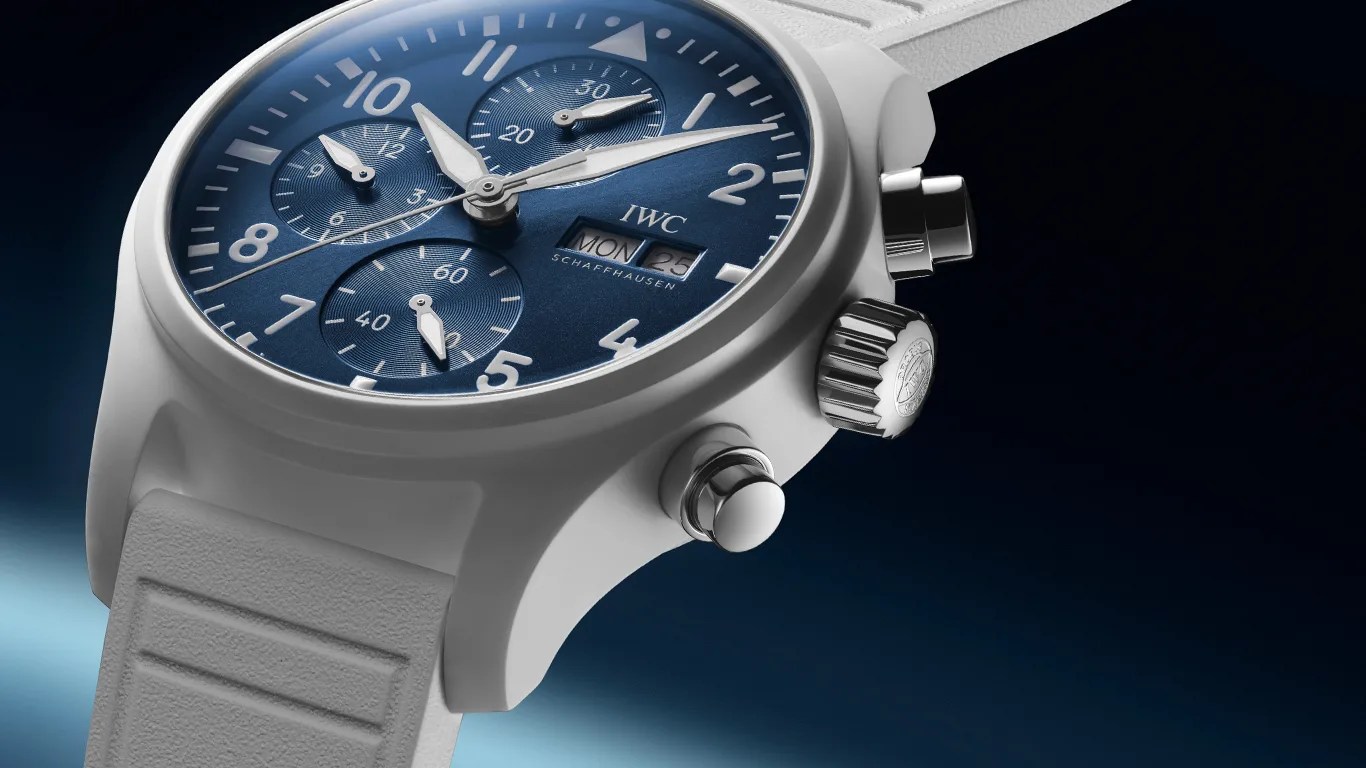
- Key launches included next-generation iterations of the Ingenieur and Pilot’s Watch lines, alongside novel complications within the Portugieser family.
- The fair took place in Geneva from April 13-21, 2026, with IWC’s presentation occurring on the opening days.
- This performance positions IWC for a potentially record-breaking commercial year, capitalizing on the unified momentum from Watches and Wonders.
- The achievement marks a strategic triumph for CEO Christoph Grainger-Herr and Technical Director Andreas Voll, who have emphasized in-house verticalization.
Breaking It Down
IWC’s 2026 strategy rejected the industry’s frequent reliance on a "hero product." Instead of betting its reputation on one ultra-complicated masterpiece or nostalgic re-edition, the brand advanced every major pillar of its collection simultaneously. In the Pilot’s Watch line, this meant not just new dial colors, but substantive upgrades to movement specifications and anti-magnetism. For the Ingenieur, it involved a deeper evolution of the integrated-bracelet sports watch concept with new materials and enhanced finishing. This portfolio-wide elevation forced observers to judge IWC not on a single watch, but on the cohesive strength of its entire ecosystem—a test it passed decisively.
The most telling metric of IWC’s 2026 dominance is not a price or a limited edition number, but the sheer absence of credible challengers for the "top release" title across entire watch categories it contested.
This vacuum speaks volumes. In previous years, fairs like Watches and Wonders often featured clear, head-to-head battles: one brand’s new chronograph versus another’s, or a duel between rival perpetual calendars. In 2026, IWC’s offerings in key segments like the luxury sports watch (Ingenieur) and the modern pilot’s watch were so comprehensively executed that they effectively closed the debate. Competitors presented strong individual pieces, but no other brand mounted a challenge with the same coordinated force across multiple fronts. This left the field open for IWC to capture the narrative entirely.
The success is a direct validation of CEO Christoph Grainger-Herr’s long-term vision. Since his appointment, he has steered IWC toward greater vertical integration, investing heavily in movement development, materials research, and manufacturing control at its Schaffhausen headquarters. The 2026 releases are the fruit of those investments. The innovations on display—whether a new ceramic composite, an optimized rotor system, or a more legible complication layout—were largely born in-house. This shift from a brand that historically leveraged external ébauches to one that drives its own technical destiny is now yielding a tangible competitive moat.
What Comes Next
IWC’s Watches and Wonders triumph is not an endpoint, but a powerful launchpad. The brand has set a new benchmark for itself and the industry, and the pressure is now on to capitalize on this momentum and continue its innovation trajectory. The immediate and medium-term future will be defined by several key developments:
- Commercial Rollout and Market Reception (Q2-Q4 2026): The true test begins as these watches hit authorized dealers and IWC boutiques. Watch for sales data and waiting list dynamics, particularly for the new Ingenieur references, which will compete directly in the hyper-competitive luxury sports watch segment against established players like Audemars Piguet’s Royal Oak and Patek Philippe’s Nautilus.
- Material Science Deployment: IWC showcased new material technologies in 2026. The next 18-24 months will reveal if these are limited to specific models or begin to filter down across more collections, potentially offering greater durability and scratch resistance at various price points.
- Movement Architecture Evolution: The base calibres and complications unveiled this year form a new platform. The logical next step, likely previewed at Watches and Wonders 2027 or 2028, will be the expansion of these movements into new complications (e.g., a perpetual calendar module on the latest Ingenieur base) or their refinement for even better performance.
- Competitive Response: Rival brands, particularly Richemont stablemates like Panerai and Jaeger-LeCoultre, as well as independent giants like Rolex and Audemars Piguet, will not cede the field. The industry-wide response to IWC’s systemic approach—whether through imitation or counter-strategy—will define the next product cycle.
The Bigger Picture
IWC’s 2026 performance is a case study in two converging macro-trends reshaping luxury technology. First, Vertical Integration as a Strategic Imperative. The era when prestigious brands could thrive primarily on design, heritage, and assembled movements is closing. Leadership now requires mastery over the entire value chain, from alloy composition to escapement geometry. IWC’s ability to deliver synchronized innovation across categories is impossible without deep in-house capabilities, a lesson the entire sector is learning.
Second, it highlights the shift from Product Launches to Platform Launches. The most forward-thinking brands are no longer just releasing watches; they are deploying integrated technological platforms—a new movement family, a proprietary material, a case architecture—that can be iterated upon for years. IWC’s 2026 showcase feels like the debut of such a multi-faceted platform. This approach creates longer development cycles, stronger brand coherence, and greater value for consumers who buy into a continuously evolving system, not just a static product.
Key Takeaways
- Holistic Strategy Wins: IWC’s victory was earned through coordinated advances across its entire portfolio, proving that systemic brand strength now outweighs reliance on a single "halo" watch.
- Vertical Integration Pays Off: Years of investment in in-house movement and materials development directly enabled the simultaneous, wide-ranging technical innovations that defined IWC’s 2026 releases.
- Category Leadership Redefined: By advancing every major product line at once, IWC didn't just compete in categories like pilot’s watches or luxury sports watches—it temporarily reset the benchmark for them, leaving competitors without a clear point of counter-attack.
- The Platform is the Product: The 2026 launches function less as isolated products and more as the debut of a new technological platform for IWC, setting the stage for years of iterative evolution in complications, materials, and design.