TL;DR
Porsche's iconic three-digit model nomenclature, a cornerstone of its brand identity for over 70 years, is facing an existential challenge from its own electric vehicle revolution. The system, which once elegantly encoded a car's performance tier, is struggling to adapt to the new realities of EV architecture and marketing, forcing the company into a critical period of reinvention.
What Happened
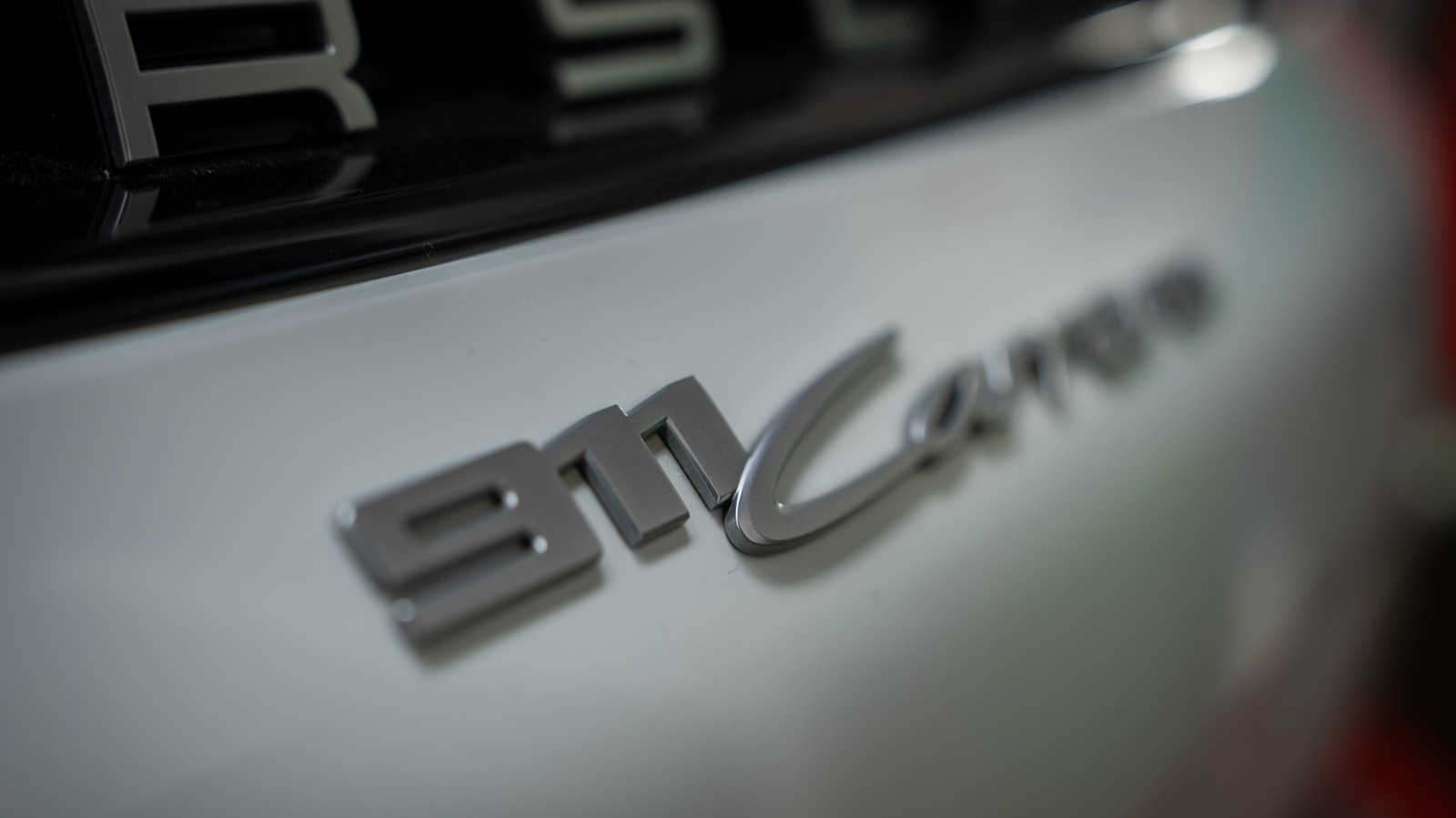
For decades, a glance at a Porsche's rear badge—911 Carrera 4S, 718 Cayman GTS—conveyed an immediate understanding of its performance pedigree through a deceptively simple three-digit code. However, the seismic shift to electric propulsion is rendering this legendary naming logic obsolete, creating a profound identity crisis for the storied German marque as it navigates its future.
Key Facts
- Origin Story: The three-digit naming convention began with the Project 356 in 1948, with the number simply representing the company's sequential internal project designation.
- The 911 Anomaly: The iconic 911, introduced in 1963, was originally designated Project 901. Peugeot's trademark on three-digit numbers with a central '0' forced the change to 911, creating the legendary badge.
- Performance Cipher: By the 1970s, the system evolved: the first digit often denoted the model series (e.g., 9 for 911), the last two became tied to the engine's displacement in liters (a 911 Carrera 2.7 had a 2.7L engine).
- Modern Complexity: With turbocharging and hybrid systems, the numbers became performance tier indicators rather than strict displacement. A 911 Carrera S produces more power than a base Carrera, despite often sharing engine displacement.
- EV Disruption: The launch of the all-electric Taycan in 2019 marked the first major break, using a name unrelated to the numeric codex, followed by the upcoming electric Macan SUV.
- The New Math: Porsche's first dedicated EV platform, SPE (Sport Platform Electric), debuted with the Macan EV. Future models, like the electric 718 and Cayenne, will use this architecture, further divorcing model names from traditional powertrain descriptors.
- Branding Crossroads: Porsche CEO Oliver Blume has publicly acknowledged the challenge, stating the company is evaluating how to "carry the values of the brand into the electric world," which includes the fate of its naming strategy.
Breaking It Down
Porsche's nomenclature was a masterclass in engineering-centric branding. It was a closed system where insiders—and educated customers—could decode a car's place in the hierarchy. A 911 Carrera 4S told you it was the flagship sports car (9-series), likely had roughly 4 liters of performance equivalence (S), and had all-wheel drive (4). This logic began to fray with the Panamera and Macan, but the core 911 and 718 lines held the fort.
The arrival of electric vehicles shatters this code. Electric motors are defined by kilowatts, not cubic centimeters. Displacement is meaningless. The intuitive link between a higher number and a larger, more powerful combustion engine evaporates.
The Taycan Turbo S produces up to 750 horsepower without a single turbocharger, rendering its own performance suffix a complete anachronism.
This is the central paradox. The "Turbo" badge, once the pinnacle of forced-induction performance, has been repurposed by Porsche as a pure performance grade for its EVs. While internally consistent for Porsche aficionados, it creates cognitive dissonance in the broader market and highlights the system's breaking point. The name Taycan itself, derived from a Turkish word for "lively young horse," was a clean-slate solution, but it abandoned the numeric heritage entirely.
Now, the dilemma intensifies with the core sports car lines. The next-generation, all-electric 718 Boxster and Cayman, due around 2025, and the eventual electric 911 (projected for the 2030s) present an existential question. Does Porsche retire the legendary 911 code for its electric successor, or does it attempt to stretch the meaning of "911" to encompass a fundamentally different machine? The former risks alienating a fanatical base; the latter risks diluting a sacred icon.
What Comes Next
Porsche is on a fixed trajectory toward electrification, with a goal of 80% of its sales being all-electric by 2030. The naming convention will be tested at every step.
- The 718 Decision (2025-2026): The upcoming electric 718 models will be the first true test of applying a historic internal combustion engine (ICE) nameplate to a dedicated EV sports car. Will they be called "718 Electric" as a transition, or receive a wholly new designation? The marketing rollout will signal Porsche's long-term confidence.
- The Cayenne & Panamera EV Transition (2026-2027): These high-volume SUVs and sedans will migrate to the SPE platform. Porsche must decide if the Cayenne EV retains its name or follows the Taycan's lead. The Panamera, already a non-numeric name, may have an easier path.
- The 911's Electric Horizon (~2030): This is the grand finale. Porsche's management and marketing boards are undoubtedly already debating this. A "911 Electric" moniker seems likely as a bridge, but a permanent solution must be found that honors legacy while embracing a new technological epoch.
- Potential for a New Nomenclature System: By the end of the decade, Porsche may introduce a complementary or entirely new system for its EV portfolio. This could involve alphanumeric codes denoting platform (SPE), power class (e.g., E-50, E-100 for kW output), or a return to more abstract, name-based branding for new model lines.
The Bigger Picture
Porsche's naming crisis is a microcosm of the Legacy Brand Translation challenge in the automotive industry. Brands like BMW ("i" series), Mercedes (EQ sub-brand), and Audi (e-tron) have attempted various strategies, from creating sub-brands to retrofitting existing names. Porsche's deep, performance-oriented heritage makes its puzzle uniquely difficult.
Furthermore, it highlights the shift from Engineering-Led Branding to Experience-Led Branding. The old numbers spoke to what was under the hood—a technical specification. Future EV branding must evoke the experience of the vehicle—instant torque, seamless power, and software-defined features. The name must encapsulate a feeling more than a physical measurement. This aligns with the broader Digital-First Automotive Landscape, where over-the-air updates can change a car's performance long after purchase, making a static nameplate based on launch-day specs increasingly obsolete.
Key Takeaways
- Heritage vs. Innovation: Porsche's iconic naming system is a victim of its own successful transition to electric vehicles, creating a core tension between honoring legacy and signaling a new era.
- The Meaningless Turbo: The adaptation of "Turbo" for EVs exemplifies the brand's effort to retain performance signifiers, but it ultimately exposes the breaking point of combustion-era terminology.
- The 911 Crucible: The eventual electrification of the 911 will force the most consequential branding decision in the company's modern history, setting the precedent for how sacred automotive icons evolve.
- System-Wide Re-evaluation: The issue extends beyond sports cars to the entire lineup, compelling Porsche to develop a coherent, forward-looking naming philosophy for its fully electric future portfolio.