TL;DR
The 2027 Dodge Charger Daytona is priced $12,500 higher than the 2026 model year with no significant mechanical, design, or feature updates to justify the increase. This marks one of the largest single-year price jumps in modern muscle car history and raises serious questions about Dodge's pricing strategy amid declining EV demand.
What Happened
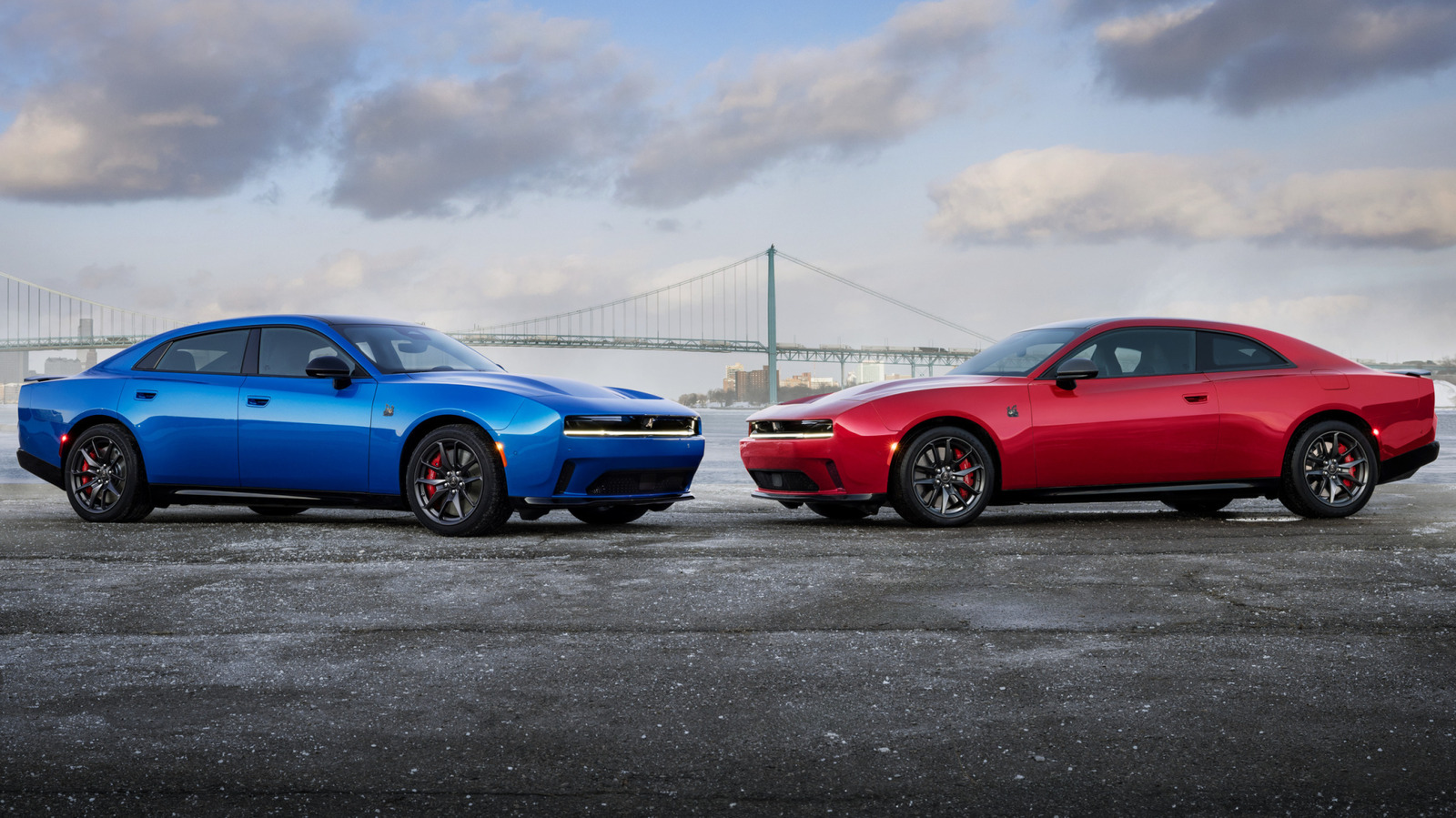
Dodge has quietly raised the base price of the 2027 Charger Daytona by $12,500 compared to the 2026 model year, according to a Jalopnik report published Thursday, June 4, 2026. The automaker has offered no explanation for the increase, and the vehicle carries over with no major updates — no powertrain changes, no revised battery pack, no new standard features, and no significant styling revisions. The price hike, which represents roughly a 15–18% increase depending on trim, has left industry observers and potential buyers scrambling for answers.
Key Facts
- The 2027 Dodge Charger Daytona is priced $12,500 higher than the 2026 model year, with no corresponding vehicle updates.
- The price increase was reported by Jalopnik on Thursday, June 4, 2026, based on newly released manufacturer pricing data.
- Typical year-over-year price increases for mass-market vehicles range from 2–4% , making this jump roughly 4–6 times the industry norm.
- Dodge has not issued any public statement or press release explaining the rationale for the increase.
- The 2027 model carries over the same 400-volt architecture, same battery capacities, same motor outputs, and same interior as the 2026 version.
- The Charger Daytona is Dodge's flagship electric performance sedan, positioned as a direct competitor to the Tesla Model S Plaid and Lucid Air Sapphire.
- This price hike comes as EV demand growth has slowed across the U.S. market, with several automakers cutting prices to move inventory.
Breaking It Down
The $12,500 increase is unprecedented for a carryover model in the modern era. To put it in perspective, the average transaction price for a new vehicle in the United States hovers around $48,000. A $12,500 jump on a single model year — with zero content changes — would be the equivalent of Ford raising the F-150's price by roughly $7,000 or Toyota adding $5,000 to the Camry. In the muscle car segment, where price sensitivity is acute among enthusiast buyers, such a move risks alienating the core customer base that kept Dodge alive during the Hellcat era.
$12,500 represents a larger single-year price increase than the entire base price of a 2025 Nissan Versa ($16,725), one of the cheapest new cars sold in America.
The lack of any explanation from Dodge is arguably more troubling than the number itself. Automakers routinely issue press releases for minor price adjustments, citing raw material costs, supply chain pressures, or feature additions. The silence suggests one of three possibilities: Dodge is testing price elasticity with no intention of justifying it; the company is preparing a major mid-cycle update and wants to reset the baseline; or the increase is a mistake or miscommunication that has yet to be corrected. None of these scenarios inspire confidence in the brand's pricing discipline.
The timing compounds the problem. The broader EV market has seen aggressive price cuts from Tesla — which has slashed Model S prices by over $20,000 since 2023 — and from legacy automakers like Ford and GM, who have offered thousands in incentives to move electric inventory. Raising prices by five figures on a niche EV performance sedan when competitors are cutting prices is a strategy that defies conventional market logic. It suggests Dodge may be deliberately reducing production volume or positioning the Charger Daytona as a low-volume halo car rather than a volume seller.
What Comes Next
The coming weeks will determine whether this is a permanent pricing shift or a temporary anomaly. Here are the key developments to watch:
- Dodge official statement: The company is expected to issue a response within 7–14 days. If the increase is tied to new standard equipment — such as a mandatory option package or a forced upgrade to the higher-capacity battery — that will be disclosed. If no explanation comes, the silence itself will be newsworthy.
- Dealer reactions and ADM trends: Actual transaction prices at dealerships will reveal whether the MSRP increase sticks or dealers discount it away. If dealers are forced to offer $8,000–$10,000 in incentives to move 2027 models, the MSRP is effectively fictional.
- 2026 inventory clearance: Watch for fire-sale pricing on remaining 2026 Charger Daytona models. If dealers slash prices on the outgoing model by $10,000 or more, it confirms the 2027 increase is unsupported by market demand.
- Consumer backlash and order cancellations: Online forums and reservation holder groups will be early indicators. If a significant percentage of existing order holders cancel or switch to competitors like the Tesla Model S Plaid or the Chevrolet Corvette E-Ray, Dodge will have a serious demand problem.
The Bigger Picture
This story connects to two broader trends reshaping the automotive industry. First, EV Pricing Instability — the market has entered a period where manufacturers cannot agree on pricing strategy. Some, like Tesla, are pursuing volume through aggressive cuts. Others, like Lucid and Rivian, are holding premium positions. Dodge's $12,500 jump suggests a third, riskier approach: raising prices on a product with no improvement, betting that brand loyalty will overcome economic rationality. History suggests this rarely works in mass-market segments.
Second, Legacy Automaker EV Transition Struggles — Dodge's parent company Stellantis has publicly committed to an all-electric future for the Dodge brand, but execution has been uneven. The Charger Daytona was delayed, launched with software glitches, and now carries a price that makes it less competitive. This pattern — high initial prices, slow updates, and confusing pricing moves — mirrors struggles at Ford, GM, and Volkswagen, all of whom have found that converting an internal combustion customer base to EVs is far harder than building the cars themselves.
Key Takeaways
- [Unprecedented Price Jump]: The $12,500 increase on a carryover 2027 Dodge Charger Daytona is roughly 4–6 times the industry norm for year-over-year pricing, with no feature or performance changes to justify it.
- [No Explanation Given]: Dodge has not issued any statement or press release explaining the increase, which is highly unusual for a price change of this magnitude.
- [Counter-Cyclical Timing]: The hike comes during a period of slowing EV demand and aggressive price cuts from competitors like Tesla, making the strategy difficult to rationalize.
- [Brand Loyalty Test]: The increase will test whether Dodge's enthusiast customer base accepts higher prices for the same product, or whether they defect to cheaper or more advanced alternatives.