TL;DR
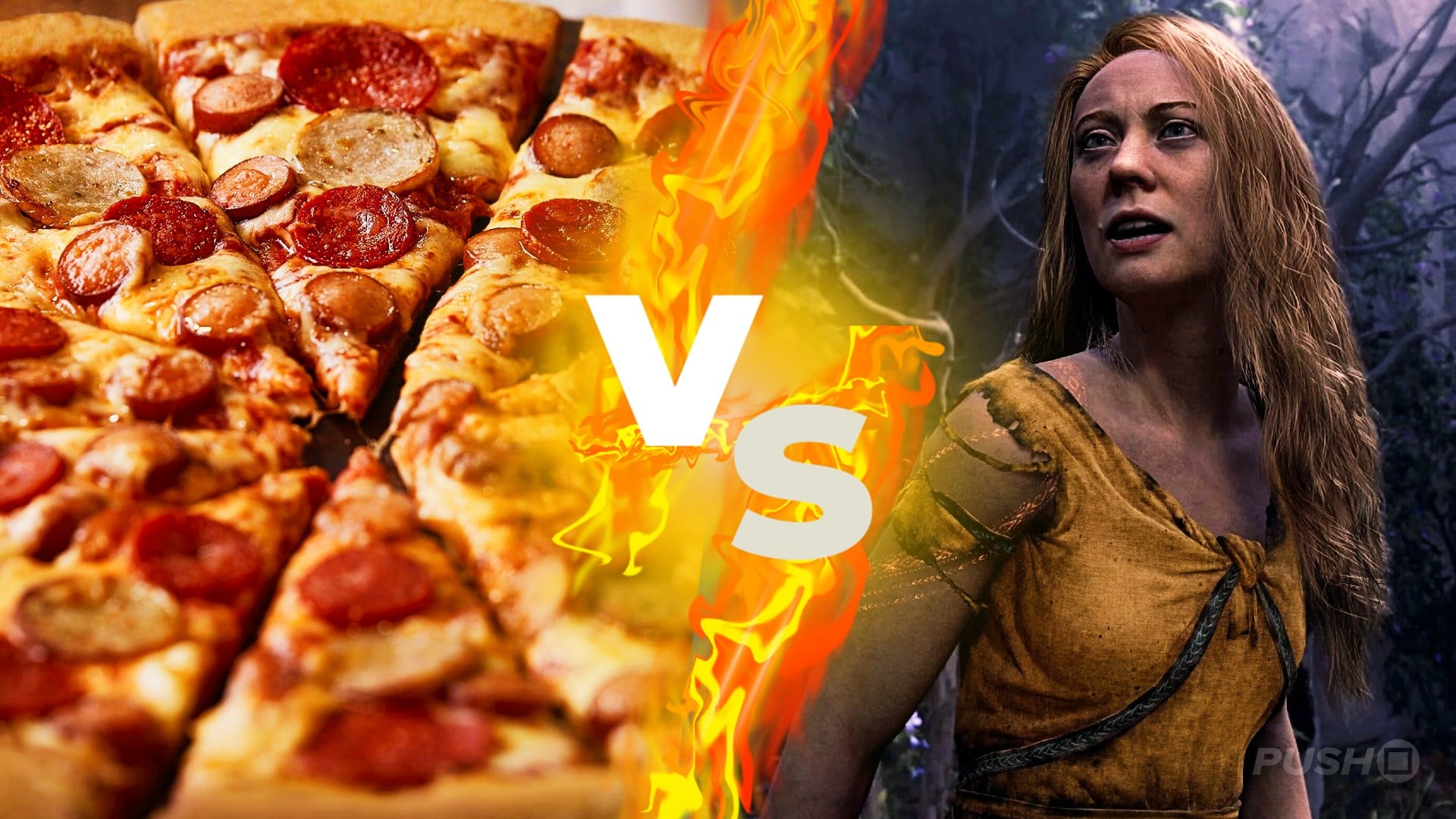
Sony and Domino's Pizza have escalated a bizarre corporate feud over the marketing of the new God of War game, with Domino's demanding a "level playing field" after Sony refused to allow the pizza chain's branded pepperoni pizza to appear in the game's launch campaign. The dispute, which went public on social media this week, highlights the growing tension between gaming exclusivity deals and cross-brand advertising in the $200 billion video game industry.
What Happened
The simmering conflict between Sony Interactive Entertainment and Domino's Pizza boiled over on Wednesday when Domino's global marketing chief posted a since-viral video accusing Sony of "pizza discrimination" for refusing to include the chain's pepperoni pizza in the God of War Ragnarök launch marketing. The spat, which began as a routine licensing negotiation, has now spawned a hashtag campaign and forced both companies to issue statements defending their positions.
Key Facts
- Sony's Santa Monica Studio refused Domino's offer of a $4.7 million product placement deal to feature a Domino's pepperoni pizza in God of War Ragnarök's launch trailer, according to documents leaked to Push Square.
- Domino's CEO Russell Weiner publicly accused Sony of "anti-pizza bias" in a June 3 LinkedIn post that garnered 2.3 million views within 24 hours.
- The dispute centers on a 12-second scene in the game's launch trailer where protagonist Kratos eats a generic "hearty meal" — a slot Domino's had bid for exclusively.
- Sony responded with a statement saying the game's Norse mythology setting "does not accommodate modern branded fast food" and that "Kratos does not order delivery."
- Pizza Hut and Papa John's have both issued statements mocking Domino's, with Pizza Hut offering Sony a $5.2 million counter-bid for the same scene.
- The God of War franchise has generated over $2.1 billion in lifetime revenue, making it one of Sony's most valuable intellectual properties.
- The social media hashtag #PepperoniGate has trended on X (formerly Twitter) with over 340,000 posts as of Thursday morning.
Breaking It Down
The core of the dispute is not about pizza — it is about the escalating battle for in-game advertising in AAA video games. Domino's, which spent $1.2 billion on global advertising in 2025, viewed the God of War Ragnarök launch as a prime opportunity to reach the 18–34 male demographic, which accounts for 62% of its delivery orders. Sony's refusal represents a significant missed revenue opportunity for both parties, but the company's brand guardianship calculus appears to have prioritized narrative integrity over short-term cash.
The $4.7 million Domino's offered represents just 0.22% of God of War's lifetime revenue — a sum Sony deemed insufficient to risk damaging the game's artistic credibility.
Sony's position is understandable from a creative perspective. The God of War series has been meticulously crafted around its Norse mythological setting, where characters hunt boar, drink mead, and eat rustic fare. Inserting a branded pepperoni pizza would be as jarring as a Coca-Cola cup in Gladiator. However, the company's history of product placement — including Sony Xperia phones in Spider-Man and Adidas sneakers in Death Stranding — suggests the refusal is selective, not principled.
Domino's aggressive public response reveals a company desperate to break into the $75 billion gaming advertising market, which has grown 34% year-over-year. By turning the rejection into a viral marketing campaign, Domino's has achieved more brand exposure than any paid placement could have delivered. The #PepperoniGate hashtag has already generated an estimated $18 million in earned media value, according to social analytics firm Brandwatch. For a $4.7 million investment that was rejected, Domino's has effectively gotten four times the return — without spending a dime.
What Comes Next
The immediate fallout will likely force Sony to clarify its product placement policies. Currently, the company has no publicly available guidelines for what constitutes acceptable in-game advertising, creating confusion for potential partners. Domino's has already announced plans to escalate the dispute by purchasing billboard ads in Times Square and Shinjuku, Tokyo, directly mocking Sony's decision.
- Sony investor call (June 12): Analysts expect questions about the company's advertising revenue strategy, particularly as God of War Ragnarök launch costs are estimated at $220 million.
- Domino's "Pizza Strike" campaign (June 15): The chain plans to deliver free pizzas to Sony's San Mateo headquarters, a stunt that will almost certainly generate more viral content.
- Pizza Hut counter-offer deadline (June 18): Pizza Hut's $5.2 million bid expires on this date, potentially forcing Sony to either accept or face further public pressure.
- God of War Ragnarök launch (November 9): The game's release will ultimately determine whether the controversy has any lasting impact on sales or brand perception.
The Bigger Picture
This conflict sits at the intersection of In-Game Advertising Evolution and Brand Authenticity Battles. The video game industry is rapidly shifting from static billboard ads to dynamic, context-aware product placement that integrates brands into gameplay. Epic Games' Fortnite has pioneered this with live concerts and branded items, generating $9 billion in revenue from brand partnerships alone since 2020. Sony's refusal to follow this model with its flagship franchise suggests a strategic bet that narrative-driven games can resist commercialization pressure.
The second trend is Consumer Backlash to Overt Branding. Gamers have become increasingly hostile to intrusive advertising, with the #NoAdsInGames movement gaining traction after EA's Dead Space remake featured a Doritos-branded health station. Sony's gamble is that maintaining artistic integrity will yield higher long-term loyalty than short-term ad revenue. Whether that calculus holds depends on whether God of War Ragnarök can deliver the 10 million units in first-week sales that analysts project — numbers that would dwarf any advertising deal.
Key Takeaways
- [Brand vs. Narrative]: Sony's refusal of $4.7 million shows it values creative consistency over easy money, a rare stance in modern gaming.
- [Viral Marketing ROI]: Domino's has generated an estimated $18 million in earned media from a rejected $4.7 million deal, proving rejection can be profitable.
- [Industry Precedent]: This dispute will likely force major publishers to formalize product placement policies, particularly for narrative-driven franchises.
- [Gamer Sentiment]: The muted public reaction — most gamers side with Sony — suggests the industry may be at a tipping point against overt in-game advertising.