TL;DR
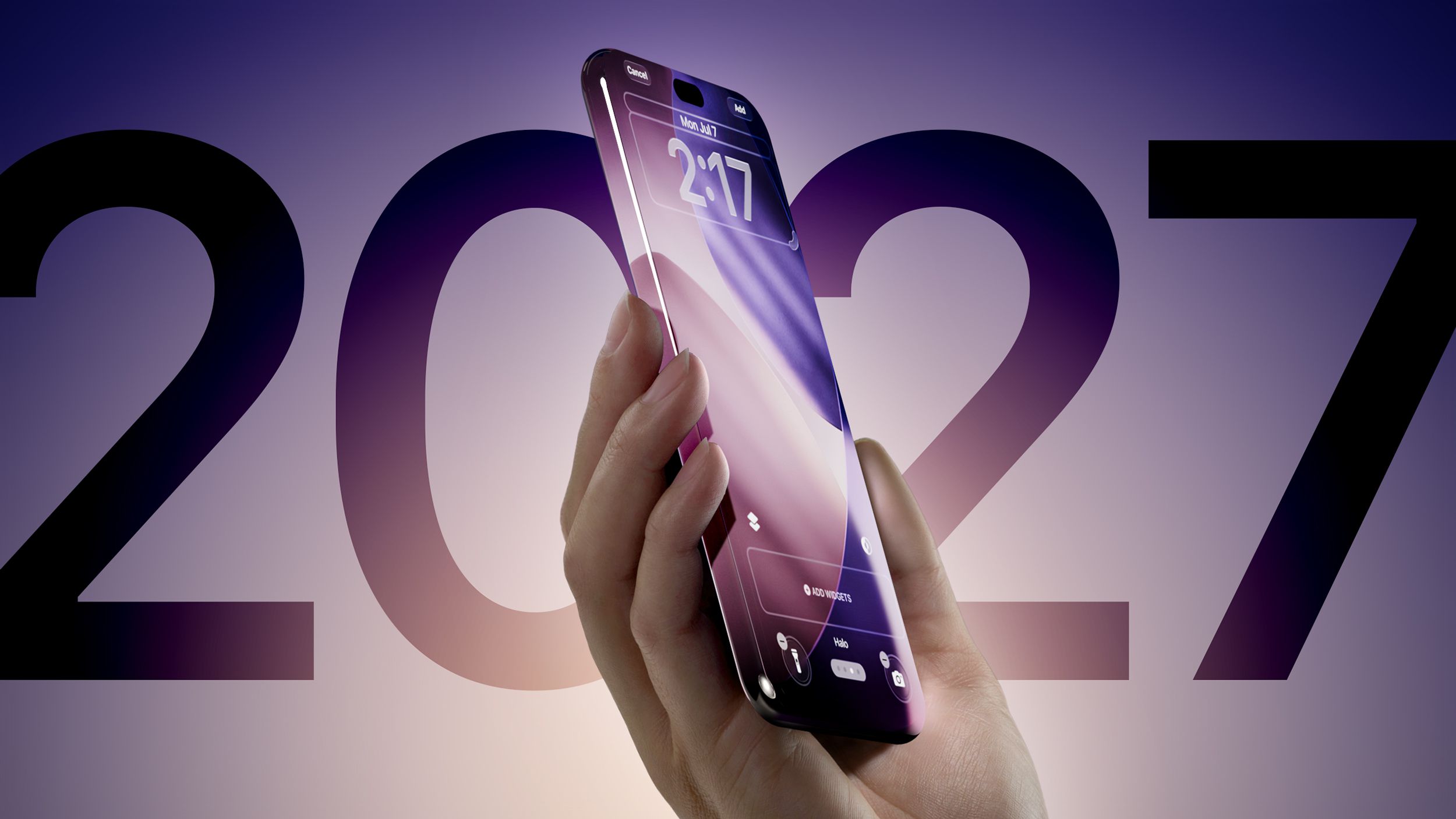
Apple is already developing a second-generation "four-edge bending" display for the 20th-anniversary iPhone, aiming to improve upon the curved screen technology rumored to debut in 2027. This means the device's most distinctive feature will see a significant upgrade within just one year of its initial launch, signaling Apple's aggressive push to perfect edge-to-edge glass.
What Happened
Apple is planning a second version of the "four-edge bending" display for its 20th-anniversary iPhone, according to a report from MacRumors on Thursday, May 14, 2026. The enhanced display is expected to arrive roughly one year after the initial curved-screen model debuts, marking an unusually fast revision cycle for Apple's flagship device.
Key Facts
- The second-generation "four-edge bending" display is being designed to improve upon the curved screen technology rumored to debut on the 2027 20th-anniversary iPhone.
- MacRumors reported that Apple is already in early development stages for this upgraded display, targeting a 2028 release.
- The initial curved display is expected to feature glass that curves smoothly on all four edges, eliminating the current flat-face design used since the iPhone X in 2017.
- Apple's display suppliers, including Samsung Display and LG Display, are reportedly working on advanced OLED panel technologies to enable the new curvature.
- The 20th-anniversary iPhone is expected to be a major redesign, potentially including under-display Face ID and a foldable form factor in addition to the curved screen.
- Apple's accelerated display timeline suggests the company is racing to match or exceed curved-screen implementations from competitors like Samsung's Galaxy Edge series and Xiaomi's waterfall displays.
- The second-generation version is expected to address potential durability and manufacturing yield issues from the first curved-screen iPhone, with improved glass strength and touch sensitivity along the edges.
Breaking It Down
The decision to plan a second-generation curved display within a year of the first launch reveals Apple's strategic urgency in this area. For a company that typically refreshes its iPhone design every three years, a one-year revision cycle is unprecedented. It suggests that Apple views the curved display not as a one-off anniversary gimmick but as a foundational technology for the next decade of iPhone design.
The 20th-anniversary iPhone's curved display is expected to be the most dramatic design change since the iPhone X eliminated the home button in 2017, but Apple is already planning to improve it within 12 months.
The technical challenges are substantial. A "four-edge bending" display requires glass that curves uniformly on all sides while maintaining structural integrity, touch accuracy, and resistance to drops. Current curved-screen phones from Samsung and Xiaomi have faced issues with accidental touches on the edges and higher breakage rates. Apple's first attempt in 2027 will likely be a conservative implementation, with modest curvature that prioritizes reliability. The second-generation version, planned for 2028, could introduce steeper curves, thinner bezels, and better edge gesture support.
This accelerated timeline also puts pressure on Apple's supply chain. Samsung Display and LG Display are already investing heavily in next-generation OLED production lines capable of producing curved substrates. Apple's demand for two distinct curved-screen designs in consecutive years could strain manufacturing capacity, potentially leading to supply constraints similar to those seen during the iPhone X launch in 2017.
What Comes Next
- 2027 Launch Event (September 2027): Apple will unveil the 20th-anniversary iPhone with the first-generation curved display. Watch for details on curvature radius, bezel thickness, and whether the display supports any new gestures or interactions.
- Manufacturing Yield Reports (Late 2027): Industry analysts will track production yields for the curved display. If yields are below 80%, the second-generation version's timeline may slip or include significant specification changes.
- Supplier Investment Announcements (2026–2027): Samsung Display and LG Display are expected to announce capital expenditure plans for curved OLED production lines. The scale of these investments will signal Apple's long-term commitment to curved displays.
- Second-Generation Curved Display Reveal (2028): Apple will likely introduce the improved curved display alongside the iPhone 18 or a mid-cycle "Pro" model. Key improvements may include steeper edge curvature, under-display Touch ID, and impact-resistant glass.
The Bigger Picture
This story connects to two broader trends reshaping the smartphone industry: All-Glass Design and Rapid Design Iteration. The push toward seamless, all-glass devices with no visible bezels, ports, or buttons has been a holy grail for Apple since the iPhone 4's glass-sandwich design in 2010. The curved display is a critical step toward that vision, enabling a device where the screen flows continuously into the frame.
The second trend—Rapid Design Iteration—reflects Apple's response to intensifying competition. Historically, Apple refreshed iPhone designs every three years. But with Samsung and Xiaomi releasing curved, foldable, and under-display camera phones annually, Apple is compressing its development cycles. The one-year gap between first and second-generation curved displays signals that Apple is willing to break its own rhythm to stay ahead of Android rivals in display innovation.
Key Takeaways
- [Accelerated Timeline]: Apple is developing a second-generation curved display for the 20th-anniversary iPhone within one year of its debut, an unusually fast revision for Apple's flagship device.
- [Technical Hurdles]: The "four-edge bending" display faces challenges with durability, touch accuracy, and manufacturing yields, which the second-generation version aims to address.
- [Supply Chain Pressure]: Samsung Display and LG Display must scale curved OLED production capacity to meet Apple's demand for two distinct curved-screen designs in consecutive years.
- [Strategic Shift]: Apple's rapid iteration on the curved display signals a long-term commitment to all-glass design, moving beyond the flat-screen era that began with the iPhone X in 2017.