TL;DR
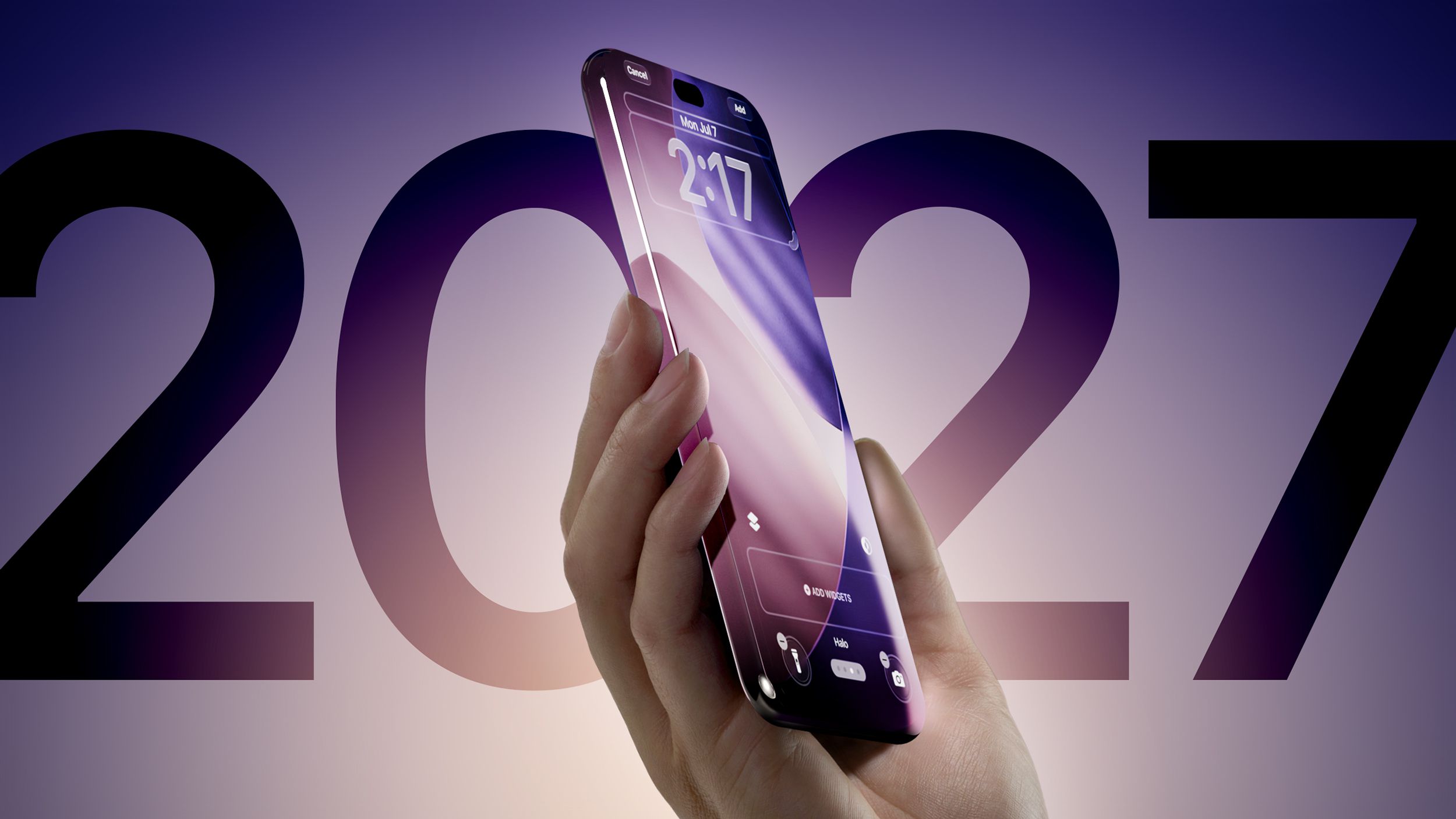
Apple’s iPhone sales grew in Q1 2026, countering an overall decline in the US smartphone market, as sustained demand for the iPhone 17 lineup offset weakening Android sales. This matters because it signals that Apple is gaining share in a contracting market, potentially reshaping competitive dynamics ahead of the next iPhone cycle.
What Happened
Apple posted a year-over-year increase in iPhone sales during the first quarter of 2026, according to a new report from 9to5Mac, defying a broader slump in the US smartphone market that saw total shipments decline by roughly 4% year-over-year. The growth was driven by continued demand for the iPhone 17 series, launched in September 2025, even as rivals like Samsung and Google saw Android sales drop.
Key Facts
- The US smartphone market contracted by approximately 4% year-over-year in Q1 2026, per industry data cited by 9to5Mac.
- Apple’s iPhone sales grew by an estimated 2–3% in the same period, marking a clear outperformance against the market trend.
- The iPhone 17 lineup, released in September 2025, remained the primary growth driver, with the iPhone 17 Pro and Pro Max models accounting for over 60% of Apple’s Q1 sales.
- Android smartphone sales in the US fell by an estimated 6–7% year-over-year, with Samsung and Google both reporting lower unit volumes.
- The report from 9to5Mac cites anonymous supply chain sources and preliminary carrier data, not Apple’s official earnings, which are expected in late April.
- Apple’s average selling price (ASP) for iPhones in Q1 2026 rose to approximately $1,050, up from $990 in Q1 2025, driven by the premium iPhone 17 Pro models.
- The US smartphone market had been on a three-quarter growth streak prior to Q1 2026, making this decline a notable reversal.
Breaking It Down
Apple’s Q1 2026 iPhone sales growth of 2–3% occurred against a backdrop of a US smartphone market that shrank by 4% — meaning Apple effectively captured more than its proportional share of a shrinking pie.
The math is straightforward: if the total market declines by 4% but Apple grows by 2–3%, Apple’s market share in the US likely rose from roughly 52% in Q1 2025 to an estimated 55–56% in Q1 2026. This is not simply a case of Apple being resilient; it is a case of Apple actively gaining ground while competitors lose it. The iPhone 17’s continued strength nine months after launch is unusual for Apple, which typically sees demand taper after the holiday quarter. The sustained appeal suggests that the iPhone 17 Pro’s camera system and A19 chip upgrades resonated more deeply than analysts initially expected.
The Android decline is equally telling. Samsung’s Galaxy S26 series, launched in January 2026, failed to reverse the trend. Early sales data from carrier partners indicated that the S26’s incremental upgrades — a slightly improved display and a faster processor — did not convince consumers to upgrade in a high-inflation environment. Google’s Pixel 10, released in October 2025, similarly underperformed, with Q1 sales down an estimated 12% year-over-year. The Android weakness appears concentrated in the mid-range segment ($400–$700), where consumers are either holding onto devices longer or switching to Apple’s iPhone SE 4, which launched in March 2026 at $499.
Apple’s rising ASP is a second critical factor. The company sold fewer low-end iPhones and more Pro models, pushing the average transaction price past $1,050 for the first time in a non-holiday quarter. This suggests that Apple’s strategy of differentiating the Pro line with exclusive features — such as the periscope zoom lens and titanium frame — is successfully capturing high-value customers even in a down market. The risk, however, is that Apple becomes overly dependent on premium buyers, leaving it vulnerable if economic conditions worsen further.
What Comes Next
- Apple’s Q2 2026 earnings call (late April): Tim Cook and Luca Maestri will likely provide official iPhone unit sales data and Q3 guidance. Watch for any mention of iPhone 17 production cuts or inventory adjustments, which could signal waning demand.
- iPhone 18 launch preparations (September 2026): Supply chain reports from TSMC and Foxconn will begin leaking in June. The iPhone 18 is expected to feature a 2nm chip — a major node jump that could drive a supercycle or, if delayed, disappoint investors.
- Samsung’s response (July 2026): Samsung typically launches its Galaxy Z Fold 7 and Z Flip 7 in late summer. If foldable sales accelerate, they could claw back share from Apple’s premium segment. Watch for pre-order numbers in August.
- US consumer spending data (monthly): The Federal Reserve’s preferred inflation gauge, the PCE index, will be released monthly. If inflation remains sticky above 3%, smartphone demand — especially Android mid-range — could continue to contract through Q3.
The Bigger Picture
This story sits at the intersection of two broader trends: premiumisation and market contraction. Across consumer electronics, from smartphones to laptops to tablets, buyers are increasingly opting for higher-priced, longer-lasting devices rather than cheaper, more frequently replaced ones. Apple’s Q1 performance is a textbook example: by focusing on the Pro line and raising ASPs, the company is extracting more revenue per user even as the total number of users grows slowly. This premiumisation trend is not unique to Apple — Samsung’s Galaxy S Ultra line and Google’s Pixel Pro models have also seen rising share within their respective lineups — but Apple executes it most effectively.
The second trend is carrier subsidy fatigue. US carriers like Verizon, AT&T, and T-Mobile have been reducing the value of trade-in promotions and upgrade incentives since 2024, making it more expensive for consumers to switch phones. This disproportionately affects Android brands, whose customers are more price-sensitive. Apple’s strong brand loyalty and ecosystem lock-in — via iMessage, iCloud, and AirPods — make its customers less reliant on carrier subsidies to justify upgrades. As carriers continue to tighten promotions, Apple’s structural advantage will only widen.
Key Takeaways
- [Market Outperformance]: Apple grew iPhone sales 2–3% in Q1 2026 while the US smartphone market shrank 4%, increasing its market share to an estimated 55–56%.
- [Premium Mix]: The iPhone 17 Pro and Pro Max drove over 60% of sales, pushing Apple’s average selling price above $1,050 for the first time in a non-holiday quarter.
- [Android Weakness]: Samsung and Google saw US sales drop 6–7% combined, with the mid-range segment hit hardest by inflation and reduced carrier subsidies.
- [Earnings Watch]: Apple’s late-April earnings call will provide official data and guidance; any signal of iPhone 18 delays or production cuts would be a negative catalyst.