TL;DR
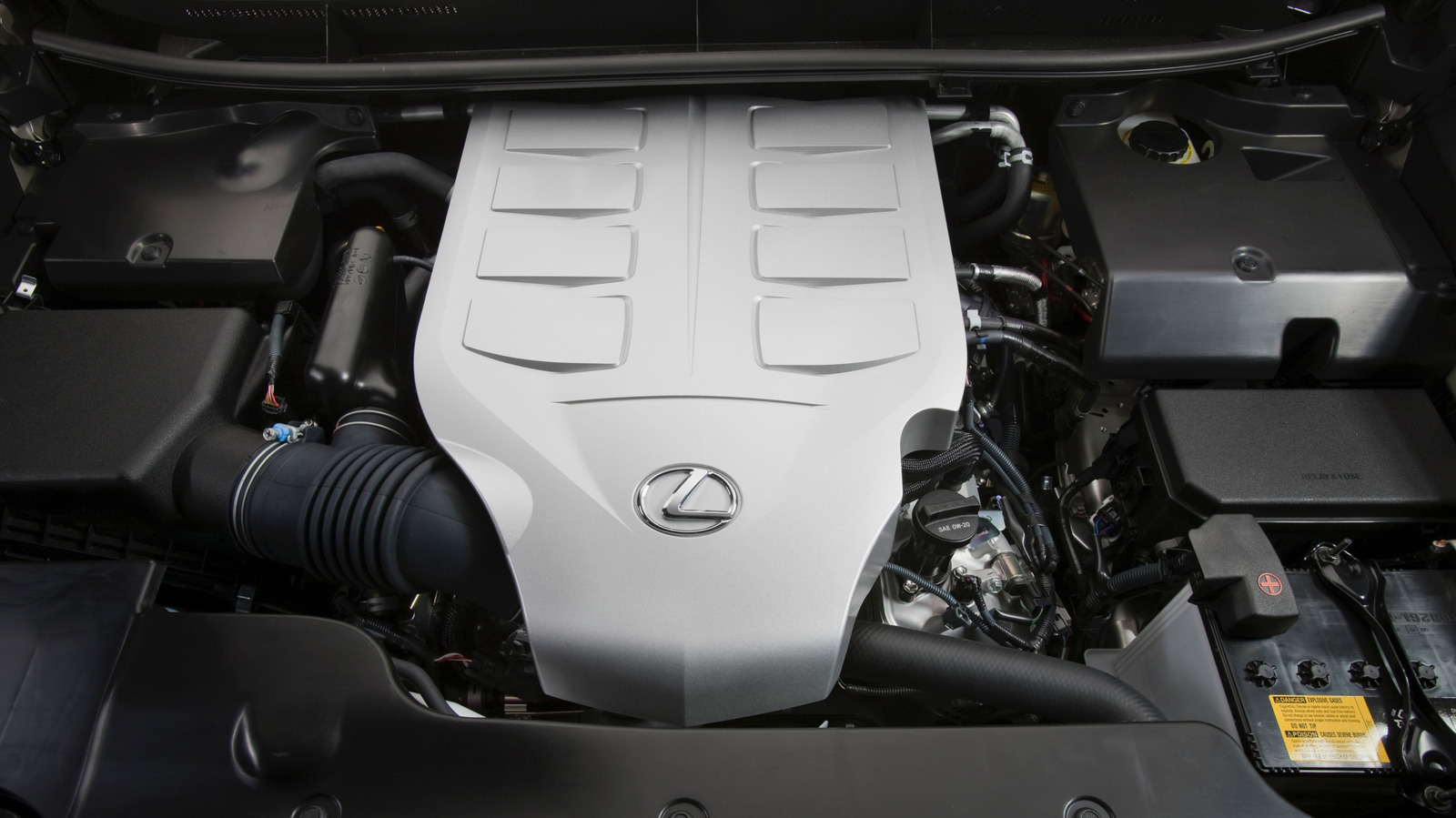
Lexus has produced five engine models—the 1MZ-FE, 4GR-FSE, 1UR-FSE, and the twin-turbo V35A-FTS—that suffer from documented reliability defects including sludge buildup, carbon fouling, and premature turbo failure. These engines, found in popular models from the ES 300 to the LX 600, undermine Lexus's reputation for bulletproof longevity and represent significant financial risk for buyers in the used and new car markets as of mid-2026.
What Happened
SlashGear published an investigative report on May 17, 2026, identifying five Lexus engine families that consumers should actively avoid due to systemic reliability failures. The report singles out the 1MZ-FE, 4GR-FSE, 1UR-FSE, and the twin-turbo V35A-FTS as powerplants with documented patterns of premature failure, oil consumption, and expensive repairs that contradict Lexus's long-standing image as the gold standard of Japanese automotive dependability.
Key Facts
- The 1MZ-FE V6, produced from 1994 to 2006 and used in the ES 300, RX 300, and Camry, suffers from sludge buildup due to inadequate oil passage design, leading to catastrophic engine failure at 80,000–120,000 miles.
- The 4GR-FSE V6, a 2.5-liter direct-injection engine found in the IS 250 and GS 250 from 2006 to 2013, is plagued by carbon deposits on intake valves because fuel never washes over them, requiring costly walnut blasting every 30,000–40,000 miles.
- The 1UR-FSE V8, a 4.6-liter unit used in the LS 460 and GS 460 from 2007 to 2017, has a timing chain cover oil leak that often requires engine removal to fix, with repair bills exceeding $4,000.
- The V35A-FTS, a 3.5-liter twin-turbo V6 introduced in 2022 for the LX 600 and Tundra, has been subject to two recalls for engine failure due to machining debris blocking oil passages, affecting over 100,000 vehicles as of early 2026.
- The 2UR-GSE V8, used in the IS F, RC F, and LC 500, is not on the list but shares the 1UR-FSE family's valve timing issues, indicating a broader pattern across Lexus's V8 lineup.
- SlashGear's analysis draws on NHTSA complaint data, owner forums, and independent mechanic reports, not manufacturer statements, suggesting Lexus has been slow to acknowledge these problems publicly.
- The V35A-FTS is the most recent engine on the list, raising concerns about Lexus's quality control in its transition to forced induction and hybrid systems.
Breaking It Down
The inclusion of the V35A-FTS is the most alarming development for Lexus owners and potential buyers. This twin-turbo 3.5-liter V6 powers the flagship LX 600 luxury SUV and the Toyota Tundra pickup, two of the most expensive and high-volume vehicles in Toyota Motor Corporation's lineup. Yet within just four years of production, the engine has been hit with two separate recalls for machining debris left inside the engine block during manufacturing. That debris circulates through the oil system, blocking passages and starving bearings of lubrication, leading to sudden, catastrophic engine seizure. For an LX 600 buyer paying upwards of $90,000, the prospect of a total engine replacement—covered under warranty but representing weeks of downtime and diminished resale value—is a stark departure from the Lexus promise.
Over 100,000 vehicles equipped with the V35A-FTS have been recalled as of early 2026, making this the largest single-engine reliability crisis in Lexus's modern history.
The 1MZ-FE story is a cautionary tale about design choices that age poorly. This V6 was a workhorse for Lexus and Toyota for over a decade, but its narrow oil passages and tendency to sludge when owners stretched oil change intervals made it a ticking time bomb. By the time Lexus acknowledged the issue with technical service bulletins and extended warranties in the mid-2000s, thousands of engines had already been replaced. The lesson here is that Lexus's legendary reliability often depends on owners adhering to aggressive maintenance schedules—something many luxury buyers neglect, assuming the brand's reputation will cover them.
The 4GR-FSE represents a different kind of failure: the unintended consequence of fuel efficiency technology. Lexus adopted direct injection for this engine to improve power and economy, but the design eliminated the fuel spray that normally cleans intake valves. Carbon buildup became inevitable, and the only fix is a labor-intensive manual cleaning that costs $600–$1,200 every few years. For owners of the IS 250, a popular entry-level luxury sedan, this recurring expense erodes the value proposition of buying a used Lexus versus a competitor like the BMW 3 Series or Audi A4.
The 1UR-FSE V8 is perhaps the most frustrating entry because it affects Lexus's halo sedan, the LS 460. The timing chain cover oil leak is a slow, insidious problem: it doesn't cause immediate failure, but the leak drips onto exhaust components, producing burning oil smell and eventually depleting oil levels. The repair, which requires removing the entire front of the engine, can cost $4,000–$6,000 at a dealer. For a car that originally sold for $65,000–$75,000, that repair represents a significant percentage of its depreciated value.
What Comes Next
The V35A-FTS situation is the most urgent. Toyota and Lexus have issued recalls, but the root cause—machining debris in the engine block—suggests a manufacturing process failure that may not be fully resolved. Here is what to watch:
- A third recall for the V35A-FTS is possible if debris continues to appear in engines built after the second recall. Toyota's supplier, Toyota Industries Corporation, which manufactures the engine, may face production line audits. Watch for NHTSA investigations in Q3 2026.
- Class-action lawsuits are likely for the 1UR-FSE oil leak and 4GR-FSE carbon buildup. Plaintiff firms have already begun soliciting owners on forums. A consolidated suit could emerge by late 2026, potentially forcing Lexus to issue goodwill repairs or extended warranties.
- Lexus may accelerate its shift to hybrid-only powertrains for models like the LX and LS. The V35A-FTS debacle, combined with tightening emissions regulations, could push Lexus to follow Toyota's lead and drop pure combustion engines from its flagship models by the 2028 model year.
- Used car prices for affected models will diverge sharply. Clean, low-mileage examples of the IS 250 or LS 460 may hold value poorly as awareness of these issues spreads, while hybrid Lexus models like the ES 300h or RX 450h could see increased demand as safe alternatives.
The Bigger Picture
This story fits into three broader trends reshaping the automotive industry. First, the reliability paradox of forced induction: As automakers downsize engines and add turbochargers to meet fuel economy standards, they introduce new failure points—heat, boost pressure, and oil contamination—that naturally aspirated engines avoided. The V35A-FTS is a textbook example of this trade-off going wrong. Second, the hidden cost of direct injection: Every major automaker using direct injection now faces carbon buildup issues, but Lexus's reputation amplifies the damage. When a brand built on "zero defects" has a known design flaw, the trust deficit is larger than for a brand like BMW, where maintenance is already expected to be higher. Third, the decline of the luxury V8: The 1UR-FSE and 2UR-GSE issues come at a time when V8s are being phased out globally. Lexus's decision to replace the V8 with the twin-turbo V6 in the LX and LS was partly driven by regulation, but the reliability problems of the replacement make the V8's retirement look premature.
Key Takeaways
- [V35A-FTS Crisis]: The twin-turbo V6 in the LX 600 and Tundra has over 100,000 recalled vehicles due to machining debris causing engine failure—Lexus's worst modern reliability problem.
- [1MZ-FE Sludge]: This 1994–2006 V6 is prone to oil sludge buildup that destroys engines, especially if owners skip frequent oil changes, undermining Lexus's "set it and forget it" appeal.
- [4GR-FSE Carbon]: The IS 250's direct-injection engine requires $600–$1,200 valve cleaning every 30,000–40,000 miles, a recurring cost that makes used models less attractive.
- [1UR-FSE Oil Leak]: The LS 460's V8 has a timing chain cover leak that costs $4,000+ to fix, a disproportionate expense for a depreciated luxury sedan.