TL;DR
A volunteer development team has released a stunning new video showcasing Twilight Princess: Courage Reborn, a native PC port of the 2006 GameCube classic running at a flawless 60 frames per second. This project, which appears nearly complete, directly challenges Nintendo's official re-release strategy and highlights the persistent demand for high-quality, modernized versions of its iconic back catalog.
What Happened
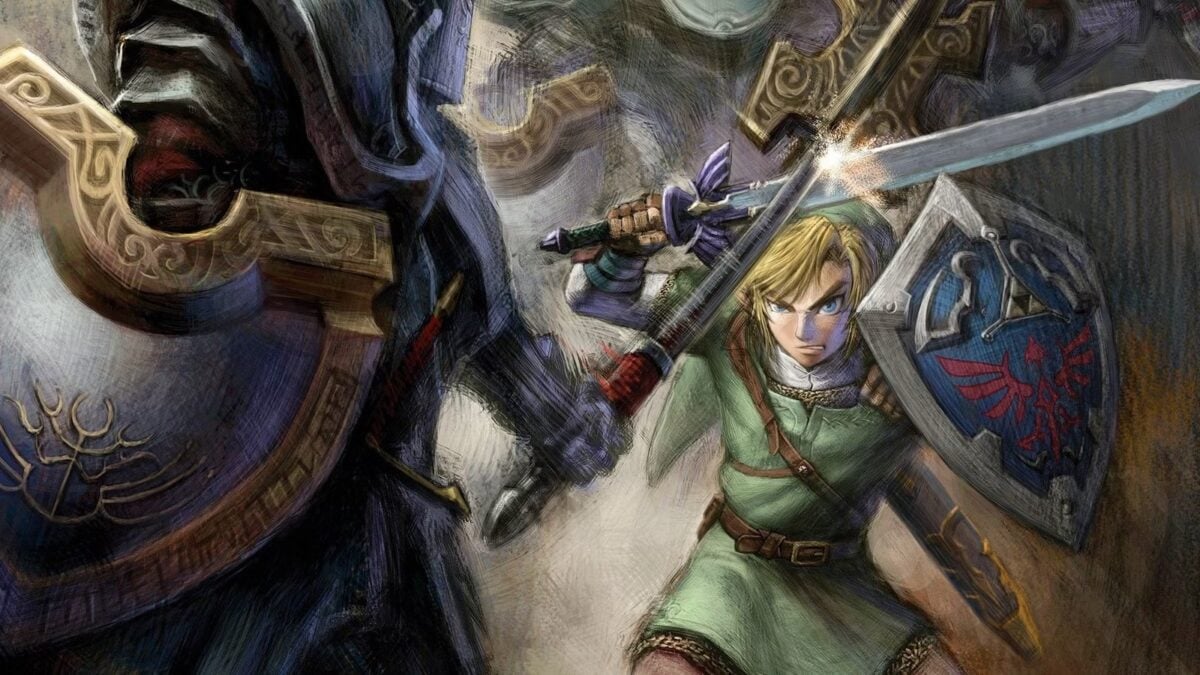
A new video released on April 7, 2026, has sent shockwaves through the gaming community, showcasing a fan-driven project that has achieved what Nintendo has not. The video presents Twilight Princess: Courage Reborn, a native PC port of the original GameCube version of The Legend of Zelda: Twilight Princess, running at a buttery-smooth 60 frames per second with enhanced visual fidelity, looking so polished it appears borderline complete.
Key Facts
- The project, titled Twilight Princess: Courage Reborn, is a native PC port derived from the 2006 GameCube version of the game, not the later Wii or HD Wii U releases.
- A new showcase video released on Tuesday, April 7, 2026, demonstrates the game running at a flawless 60 frames per second, a first for this title outside of emulation.
- The port is the work of a volunteer development team operating under the project name "Courage Reborn," distinct from Nintendo or its official partners.
- Visual improvements shown include native 4K resolution support, texture filtering enhancements, and widescreen aspect ratio correction.
- The project's state is described in the report as "borderline complete," suggesting a potential public release could be imminent.
- This development follows years of fan requests for a modern PC port and comes four years after the game was last officially available on the now-defunct Wii U eShop.
- The source of the report is the prominent gaming publication Kotaku, which first highlighted the showcase video.
Breaking It Down
The emergence of Twilight Princess: Courage Reborn is a technical marvel and a pointed cultural statement. For nearly two decades, the definitive way to play this beloved entry in the Zelda series has been shackled to 30fps caps on original hardware or through imperfect emulation. This volunteer team has not merely tweaked settings; they have re-engineered the game's core to operate natively on modern PC architecture, unlocking a level of fluidity and responsiveness the original developers could not target for the GameCube's hardware. The visual leap, particularly at 4K/60fps, transforms the game's moody, Gothic art style from a product of its time into a experience that stands shoulder-to-shoulder with contemporary remasters.
The project directly utilizes the original GameCube codebase, bypassing the changes introduced in Nintendo's own 2016 Wii U HD remaster.
This technical choice is analytically significant. By porting the GameCube original, the "Courage Reborn" team is making a deliberate artistic statement. The Wii U HD version, while excellent, altered certain visual effects, lighting, and even gameplay elements like the infamous rupee notifications. This project argues for the preservation and enhancement of the game's initial vision, treating it as a foundational text to be restored in high fidelity rather than reinterpreted. It positions the team not just as hackers, but as digital preservationists with a specific curatorial perspective on what constitutes the "authentic" Twilight Princess experience.
The project's "borderline complete" status raises immediate questions about its longevity and legal standing. Nintendo is famously aggressive in protecting its intellectual property, issuing takedowns for fan projects like AM2R (Another Metroid 2 Remake) and Pokémon Uranium. The sheer scale and visibility of a full, native port of a flagship Zelda title represents a clear and present challenge to Nintendo's control over its back catalog. The team's decision to proceed with a very public showcase suggests either a calculated risk or a belief that their work as a modification of a legally owned game falls within a defensible gray area—a stance that will undoubtedly be tested.
What Comes Next
The gaming community and industry observers are now watching for several critical developments that will determine the fate and impact of this project.
- The Team's Official Release Strategy: The single biggest question is if and when the "Courage Reborn" team will release their port publicly. Will they distribute a patch for a legally dumped GameCube ROM, requiring users to supply their own game file, or will they risk distributing the full software? Their method will heavily influence Nintendo's potential response.
- Nintendo's Legal Response: A cease-and-desist letter from Nintendo's legal department is widely considered a matter of "when," not "if." The speed and severity of Nintendo's reaction will set a precedent for similar large-scale porting projects. The company could act within days of any public release or even preemptively based on the current publicity.
- Impact on Nintendo's Official Strategy: The overwhelming positive reception to this 60fps port will increase pressure on Nintendo to address its classic games library more robustly. Will this accelerate plans for a Twilight Princess Switch port, or influence the feature set (e.g., a 60fps mode) of such a release? It forces the company to publicly acknowledge a standard of quality it did not itself set.
- Community and Modding Evolution: If the project survives in any form, it will become a foundational tool for the modding community. Expect to see high-resolution texture packs, gameplay tweaks, and randomizers built upon this port's codebase, potentially extending the game's life for decades, similar to the community around Super Mario 64.
The Bigger Picture
Twilight Princess: Courage Reborn sits at the intersection of two powerful and conflicting trends in modern gaming. The first is fan-driven preservation and enhancement. As official hardware becomes obsolete and digital storefronts shut down, dedicated communities are taking preservation into their own hands, often aiming not just to archive, but to improve. Projects like this, Ship of Harkinian (a native PC port of Ocarina of Time), and the RPCS3 emulator represent a sophisticated technical movement to future-proof games that corporations may let languish.
Conversely, this highlights the growing tension with corporate platform control. Nintendo, Sony, and Microsoft increasingly view their classic libraries as curated, drip-fed services to drive subscription revenue (e.g., Nintendo Switch Online). A high-quality, free, and unrestricted PC port undermines this controlled ecosystem. The situation underscores a fundamental market gap: a consistent, consumer-friendly pathway for legacy game access that meets modern performance expectations. This project is a direct result of that gap, proving that when companies move too slowly or restrictively, the community will often find its own way, legal peril notwithstanding.
Key Takeaways
- Technical Achievement: A volunteer team has successfully reverse-engineered and ported a flagship GameCube title to PC, achieving a flawless 60fps presentation that surpasses all official releases.
- Legal Precariousness: The project exists in a highly vulnerable legal gray area and is almost certain to attract a aggressive copyright challenge from Nintendo, threatening its public availability.
- Market Signal: The rapturous response to the showcase is a clear signal of substantial, unmet consumer demand for modernized, high-performance ports of classic Nintendo games on open platforms like PC.
- Preservation Paradigm: This work exemplifies the advanced state of fan preservation, which has moved beyond emulation to native porting, setting a new benchmark for how classic games can be experienced and preserved for the future.