TL;DR
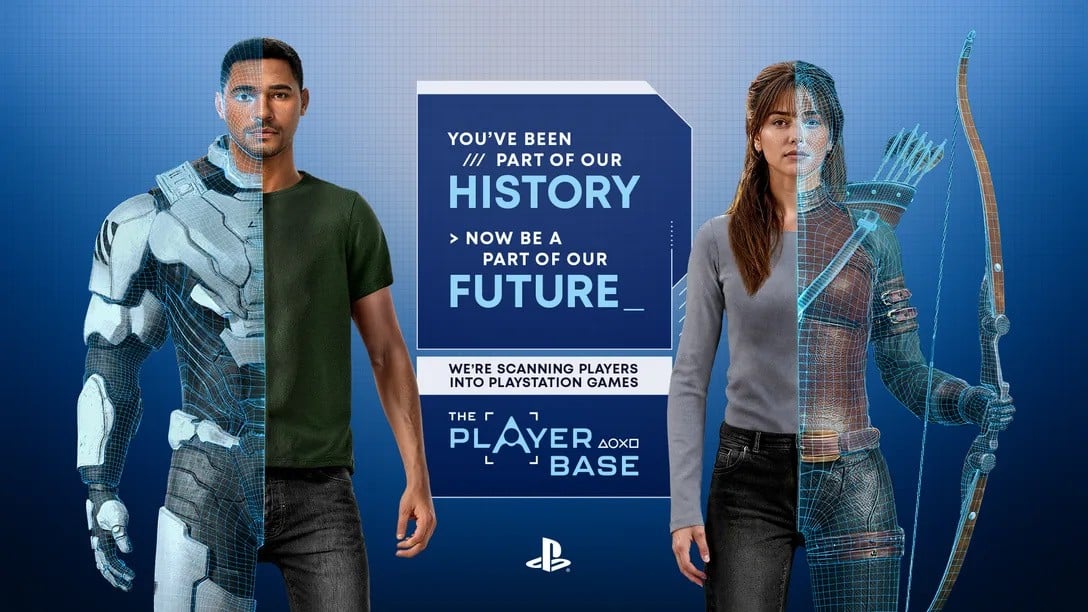
Sony Interactive Entertainment has announced the PlayStation Playerbase Program, a new initiative that will begin inserting anonymized player data directly into PS5 games, starting with an update for Gran Turismo 7. This represents a fundamental shift from using player data for matchmaking and marketing to actively shaping in-game content, raising immediate questions about privacy, immersion, and the future of "living" game worlds.
What Happened
Sony is turning its massive network of PlayStation gamers into the raw material for its virtual worlds. In a move that blurs the line between player and participant, the company announced the PlayStation Playerbase Program, a system that will populate future PS5 titles with data-driven representations of the real PlayStation community. The program will launch imminently, with its first implementation confirmed for Polyphony Digital’s racing simulator, Gran Turismo 7.
Key Facts
- Sony’s new PlayStation Playerbase Program will use aggregated, anonymized player data to create in-game entities, beginning with an update for Gran Turismo 7 in 2026.
- The first application will see AI-driven "Sophy" race opponents in GT7 replaced or supplemented by data profiles modeled on the driving styles, liveries, and performance metrics of real Gran Turismo players.
- The program is opt-out, meaning player data will be included by default, though Sony states all data will be heavily anonymized and aggregated to prevent identification of individuals.
- Sony filed a foundational patent for a "Content Replacement System" in late 2022, which described using player data to generate NPCs, suggesting this program has been in development for over three years.
- The initiative is a collaboration between Sony Interactive Entertainment’s Platform Experience Group and first-party studios like Polyphony Digital, with plans to expand to other titles.
- Implementation requires a PS5 console and a PSN account, leveraging Sony’s ecosystem to gather the necessary behavioral data.
- The announcement, made on Tuesday, April 7, 2026, positions this as a key next-generation feature for the PlayStation platform.
Breaking It Down
Sony’s Playerbase Program is not a simple cosmetic update; it is a strategic evolution of the "games as a service" model into "games as a society." By transforming petabytes of player telemetry—cornering aggression, braking points, preferred racing lines, and even cosmetic customization choices—into autonomous in-game agents, Sony is effectively creating a perpetual, dynamic mirror of its own community. This moves beyond Microsoft’s "Forza Horizon" Drivatars, which are primarily personal AI opponents, toward a shared, persistent data layer that can populate entire game worlds with credible, community-sourced behavior.
The program’s opt-out nature and reliance on aggregated data present a novel trade-off: unprecedented scale and authenticity for a potential loss of individual privacy and control.
This is the program’s core tension. An opt-in system would likely result in a sparse, unrepresentative dataset, undermining the goal of a vibrant, "living" game world. By making it opt-out, Sony ensures density and variety, arguing that heavy anonymization protects users. However, "anonymized" data can sometimes be de-anonymized when cross-referenced with other datasets, and the very act of having one’s playstyle immortalized in a game—even without a gamertag attached—introduces a new form of digital footprint. Players must now decide if the benefit of a more dynamic world is worth the permanent contribution of their behavioral signature to Sony’s algorithmic library.
For Polyphony Digital and Gran Turismo 7, the implications are profound. The game’s existing Gran Turismo Sophy AI, a brilliant but resource-intensive machine learning model, could be augmented or partially replaced by these data-driven agents. This could lead to more varied and human-like opponent behavior at a lower computational cost, making online-quality racing available in offline modes. It also creates a powerful new meta-game: players may now strive not just to win races, but to develop a distinctive enough driving style that their data "ghost" becomes a recognized and sought-after challenge within the community.
What Comes Next
The rollout for Gran Turismo 7 is just the opening lap for Sony’s ambitious plan. The company’s next steps will define whether this becomes a beloved platform feature or a contentious privacy flashpoint.
- The Gran Turismo 7 Implementation Window (April-May 2026): The immediate focus is the deployment of the update. Watch for community analysis of the new AI opponents' behavior, Sony’s communication on the opt-out process, and any early technical or privacy concerns that arise from the live service.
- Announcement of the Second Title (Late 2026): Sony will need to demonstrate this is not a GT7-exclusive gimmick. The choice of the next game is critical. A title like Horizon Forbidden West could use it for more realistic NPC routines in settlements, while a Marvel’s Spider-Man 2 could populate the city with pedestrians modeled on player traversal patterns. The selected genre will signal Sony’s broader vision.
- Regulatory and Competitive Scrutiny (2026-2027): Data protection agencies in the EU (under GDPR) and California (under CCPA) will examine the program’s opt-out compliance and anonymization standards. Competitors like Microsoft (Xbox) and Valve (Steam) will be forced to respond, either by developing similar features or by marketing their platforms as more privacy-conscious alternatives.
The Bigger Picture
Sony’s move connects directly to two dominant, converging trends in technology. First, it is a major escalation in the Datafication of Play. Gaming has long collected data for balancing and monetization, but here, the data is the product. The act of playing ceases to be a closed-loop experience and becomes a generative act, contributing to a persistent simulation. This creates a new value chain where player behavior is the essential resource.
Second, it advances the concept of Persistent Game Worlds. The dream of a truly "living," evolving game environment has been hampered by the cost and complexity of creating believable, dynamic populations. By outsourcing this to the collective behavior of millions of players, Sony is offering a scalable path toward that dream. This program is a stepping stone toward future PlayStation titles where every NPC, opponent, or ally could be a reflection of the community’s past actions, making each game world a unique historical record of its players.
Key Takeaways
- Paradigm Shift in Game Design: Sony is transitioning from using player data for external services to using it as core in-game content, fundamentally altering how immersive worlds are populated.
- The Privacy Trade-Off: The program’s opt-out model offers scale and authenticity but forces a new consumer calculation about the use of behavioral data beyond personalization and ads.
- First-Party Advantage Amplified: This initiative leverages Sony’s integrated control over hardware, network, and top-tier studios, creating a ecosystem feature competitors without all three pillars will struggle to replicate.
- Community as Content Engine: Players are no longer just an audience; they become the unwitting co-creators of game worlds, with their aggregated playstyles defining the experience for everyone.