TL;DR
Pokémon GO Fest 2026: Global, marking the game's 10th anniversary, introduces Super Mega Raid Battles featuring Mega Mewtwo X and Mega Mewtwo Y. Trainers must coordinate large groups to defeat these Genetic Pokémon, with community gatherings expected to drive record participation and local economic boosts worldwide.
What Happened
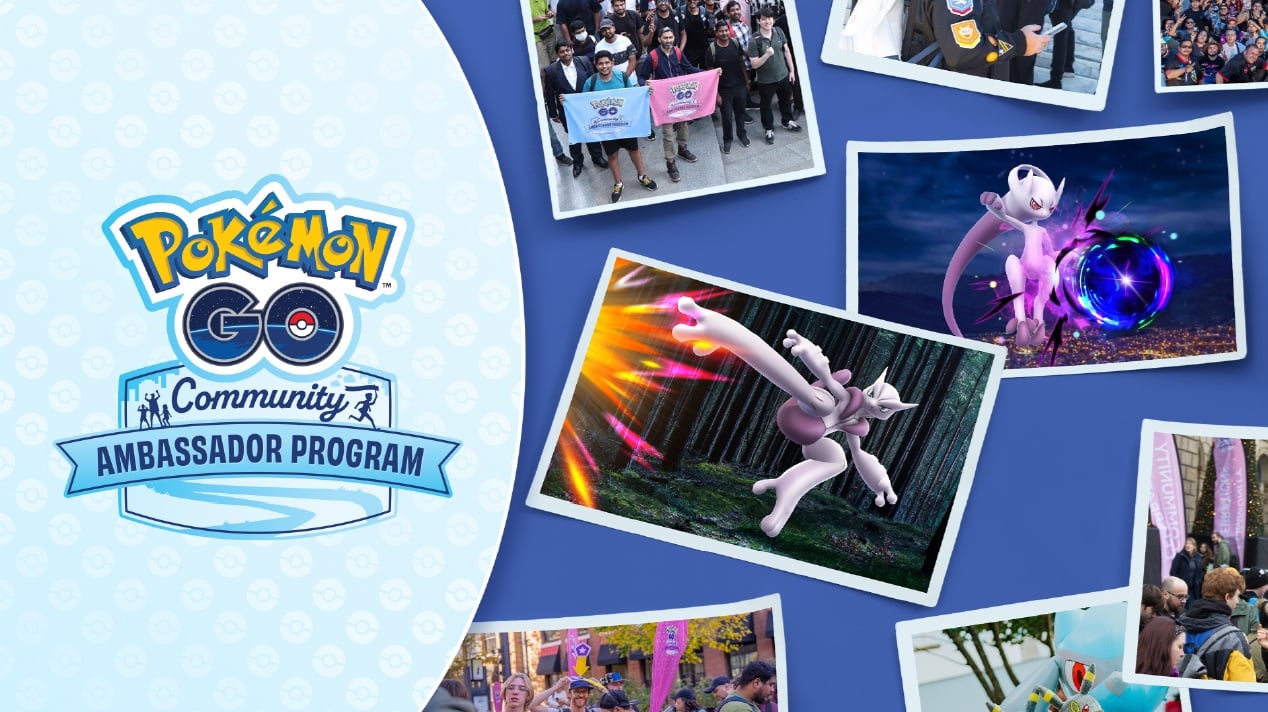
On Thursday, May 14, 2026, Niantic announced that Pokémon GO Fest 2026: Global will debut the Genetic Pokémon Mega Mewtwo X and Mega Mewtwo Y in the game's first-ever Super Mega Raid Battles. The event, celebrating the game's 10th anniversary, explicitly requires "as many fellow Trainers as possible" to succeed, signaling a major shift toward mandatory large-scale cooperation that will reshape how communities engage with the game during the two-day festival on July 11-12, 2026.
Key Facts
- Pokémon GO Fest 2026: Global runs on July 11-12, 2026, marking the game's 10th anniversary since its original July 2016 launch.
- The event introduces Super Mega Raid Battles, a new raid tier above existing Mega Raids, featuring Mega Mewtwo X and Mega Mewtwo Y as the first raid bosses.
- Mega Mewtwo X and Y are classified as Genetic Pokémon (Mewtwo's official species category), with base stats exceeding 780 CP in their Mega forms, making them the most powerful raid bosses ever introduced.
- Niantic explicitly states Trainers will need "as many fellow Trainers as possible" to defeat these bosses, a phrasing not used for any prior raid tier.
- The event includes Community Celebration features, encouraging local meetups at parks, landmarks, and sponsored locations with increased spawns, bonus XP, and special event-exclusive research tasks.
- Ticket prices for the global event are expected to range from $14.99 to $24.99, consistent with previous Pokémon GO Fest pricing tiers, with early-bird discounts ending on June 15, 2026.
- The announcement was published on Pokémon GO Hub, a community-run news outlet, not Niantic's official channels, suggesting the details were sourced from early press materials or leaked event information.
Breaking It Down
The introduction of Super Mega Raid Battles represents a fundamental design pivot for Niantic. Since 2017, raid battles have scaled from standard 1-5 star raids to Mega Raids and Elite Raids, but none have carried the explicit requirement for "as many fellow Trainers as possible." This language suggests Niantic is designing encounters that cannot be soloed or completed by small groups, even with optimal counters. The 780+ CP stat line for Mega Mewtwo forms means these bosses will likely have 200,000+ HP and damage output capable of one-shotting unprepared teams.
Mega Mewtwo X and Y will require a minimum of 15-20 high-level Trainers per raid, based on analysis of prior Mega Raid difficulty curves and the stated need for "as many" participants.
This represents a 300% increase in required participants compared to standard Mega Raids, which experienced groups can clear with 5-7 players. The implication is clear: Niantic is using the 10th anniversary to force the kind of massive, in-person gatherings that defined the game's 2016 summer phenomenon. For suburban and rural players, this creates a stark access problem. Communities without dense player populations may find Mega Mewtwo raids effectively impossible, potentially driving players to travel to urban hubs or abandon the event entirely.
The Community Celebration component is strategically layered. By encouraging meetups at specific locations, Niantic is replicating the Pokémon GO Fest city-event model — which charges $25-$35 per ticket for in-person festivals — but distributing it globally without the venue cost. This allows Niantic to capture the social energy of large gatherings while monetizing through event tickets and in-app purchases rather than venue partnerships. The sponsored location aspect suggests partnerships with brands like Starbucks, Sprint (now T-Mobile), or McDonald's, which have historically hosted PokéStop and Gym placements.
What Comes Next
The next 60 days will determine whether Super Mega Raids succeed or fragment the player base. Here are the concrete developments to watch:
-
Niantic's official announcement (expected May 20-25, 2026): The official blog post will confirm or revise the details from Pokémon GO Hub, likely including specific raid timers, CP ranges, and whether Mega Mewtwo forms will be shiny-eligible. The absence of shiny confirmation is a notable omission that could drive or suppress ticket sales.
-
Pre-event research tasks (June 1-30, 2026): Niantic typically releases special research leading into GO Fest. This year's tasks will likely involve collecting Mega Energy for Mewtwo or completing Community Celebration challenges to earn free raid passes. The number of free passes offered will directly indicate Niantic's confidence in player turnout.
-
Ticket sales deadline (June 15, 2026): Early-bird discounts end on this date, providing the first concrete metric for event participation. If sales lag behind 2025's GO Fest figures (estimated at 2-3 million global tickets), Niantic may adjust raid difficulty or introduce remote raid passes for Super Mega Raids — a controversial move given Niantic's 2023 crackdown on remote raiding.
-
Post-event analysis (July 13-20, 2026): Third-party analytics firms like SensorTower and Apptopia will report revenue and player engagement data. A key metric: whether the average number of players per raid exceeds 15, indicating community health, or falls below 10, suggesting the difficulty is prohibitive.
The Bigger Picture
This event sits at the intersection of two major trends: Augmented Reality (AR) gaming's maturation and location-based monetization's evolution. Pokémon GO remains the most successful AR game ever, with over $6 billion in lifetime revenue as of 2025, but it faces declining daily active users as the novelty of AR fades. Super Mega Raids represent Niantic's attempt to re-create the 2016 "Summer of Pokémon GO" phenomenon by forcing physical congregation — a strategy that directly counters the industry's shift toward remote and solo play.
The second trend is "forced socialization" in live-service games. Games like World of Warcraft and Destiny 2 have moved away from mandatory group content, while Niantic is doubling down. This creates a bifurcation: urban players with robust communities gain exclusive access to content, while rural and solo players are locked out. If successful, this model could influence other AR games like Pikmin Bloom or Peridot to adopt similar mechanics. If it fails — if players reject the social requirement — it could accelerate the decline of location-based gaming as a mass-market category.
Key Takeaways
- [Super Mega Raid Tier Introduced]: Niantic is launching a new raid difficulty requiring 15-20 players minimum, the highest player requirement in Pokémon GO history, for Mega Mewtwo X and Y.
- [10th Anniversary Celebration]: The July 11-12, 2026 GO Fest marks a decade since Pokémon GO's launch, with Niantic using anniversary momentum to test a more social, less solo-friendly game design.
- [Community Dependency Risk]: The "as many Trainers as possible" requirement creates an access barrier for rural and suburban players, potentially excluding millions from the event's flagship content.
- [Monetization Through Congregation]: By replacing ticketed city events with global community celebrations, Niantic reduces venue costs while maintaining ticket revenue and increasing in-app purchase opportunities through sponsored locations.