TL;DR
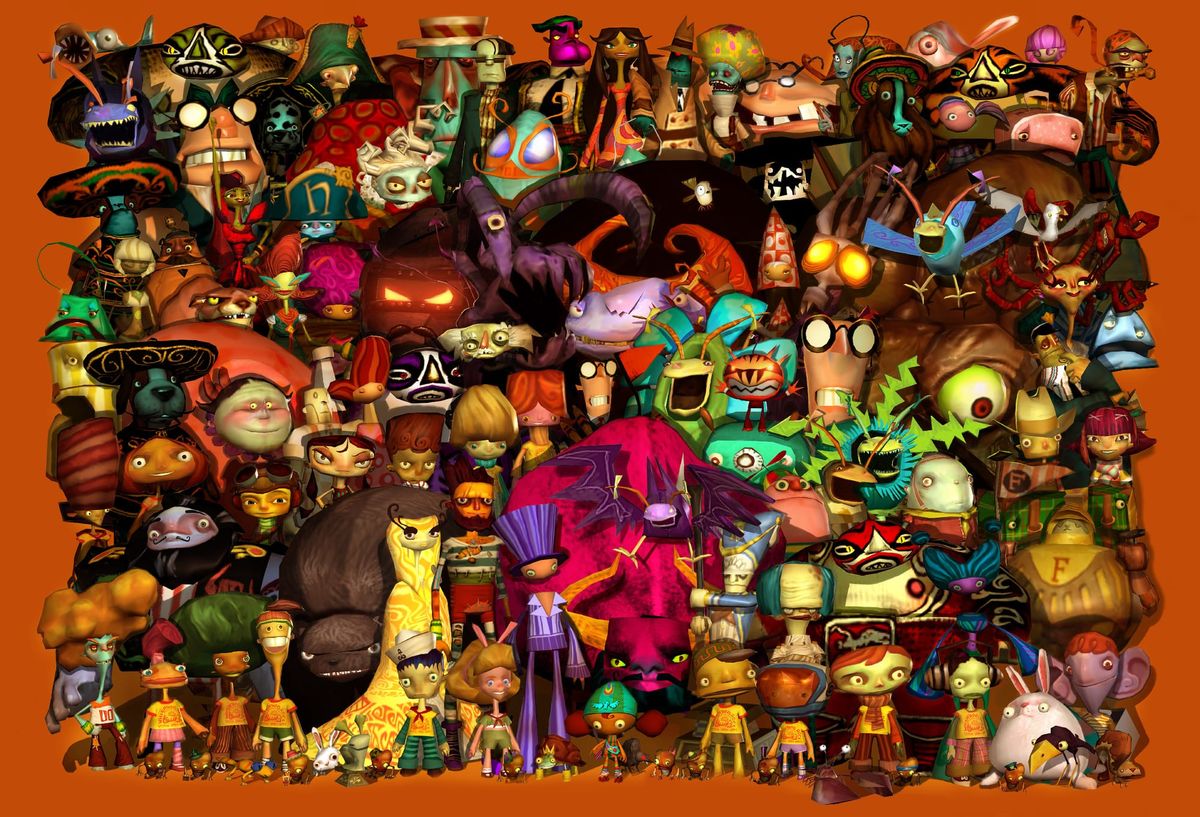
Double Fine Productions, the acclaimed developer behind Psychonauts and Psychonauts 2, has officially unionized under the Communications Workers of America (CWA). This makes it the latest Microsoft-owned studio to organize, signaling a continuing wave of labor organization within the company's first-party development teams.
What Happened
On Friday, May 8, 2026, workers at Double Fine Productions announced their unionization, becoming the latest Microsoft-owned game studio to formally organize. The move, reported by Aftermath.site, adds Double Fine to a growing list of Microsoft's first-party developers that have unionized, including ZeniMax Online Studios, Blizzard Albany, and Raven Software.
Key Facts
- Double Fine Productions, founded by Tim Schafer in 2000, is known for Psychonauts, Brütal Legend, and Grim Fandango.
- The studio was acquired by Microsoft in 2019 as part of the company's push to bolster its Xbox Game Studios portfolio.
- Double Fine's unionization effort was organized with the Communications Workers of America (CWA), the same union representing other Microsoft-owned studio workers.
- This marks the fourth Microsoft-owned studio to unionize, following ZeniMax Online Studios (January 2023), Blizzard Albany (December 2022), and Raven Software (May 2022).
- Microsoft has maintained a neutrality agreement with the CWA since June 2022, pledging not to oppose unionization efforts across its game studios.
- The union covers roughly 80 workers at Double Fine, including artists, designers, engineers, and production staff.
- The unionization vote was conducted through the National Labor Relations Board (NLRB) process, with a majority of eligible workers voting in favor.
Breaking It Down
The Double Fine unionization is not an isolated event but part of a calculated, industry-wide shift in labor relations within major game publishers. Microsoft's 2022 neutrality agreement with the CWA was a strategic move to avoid the protracted, public labor battles that plagued Activision Blizzard in 2021–2022. By agreeing not to interfere with unionization efforts, Microsoft effectively removed a major source of negative press and regulatory scrutiny—particularly during its $68.7 billion acquisition of Activision Blizzard, which closed in October 2023.
Microsoft now has four unionized studios under its umbrella, representing over 1,200 organized workers across its first-party development teams. This makes Microsoft the largest unionized game publisher in the United States by a wide margin, a distinction that would have seemed unthinkable just five years ago.
The Double Fine unionization also highlights the specific dynamics of studio culture. Unlike the contentious, high-pressure environments at Activision Blizzard that sparked the initial union drives, Double Fine has long been perceived as a more independent, creative-friendly workplace under Tim Schafer's leadership. Yet workers there still chose to organize. This suggests that the push for unionization is not solely about addressing toxic workplace conditions—it is also about securing better wages, benefits, job security, and a formal voice in studio decision-making, even at well-regarded studios.
The timing is also notable. Friday, May 8, 2026, places this announcement in the middle of a period where the broader tech and gaming industries have seen significant layoffs. Microsoft itself conducted major cuts in early 2024, laying off 1,900 Activision Blizzard and Xbox employees. Union contracts provide protections against arbitrary layoffs, severance guarantees, and recall rights—benefits that are particularly attractive in an industry where job instability has become the norm.
What Comes Next
With the union now certified, the focus shifts to contract negotiations between Double Fine's unionized workers and Microsoft management. Here are concrete developments to watch:
-
Contract bargaining timeline: The CWA and Microsoft will need to schedule initial bargaining sessions. Historically, first contracts at Microsoft-owned studios have taken 12–18 months to finalize. Watch for whether Double Fine's negotiations move faster given Microsoft's existing framework with other studios.
-
Scope of the contract: Key issues will include wage floors, annual raises, remote work policies, overtime compensation, and layoff protections. The Double Fine contract may serve as a template—or a test case—for future studio unionizations within Microsoft.
-
Potential ripple effects at other Xbox studios: With Double Fine unionized, attention will turn to other Microsoft-owned studios like Obsidian Entertainment, Ninja Theory, and Playground Games. If workers at those studios file for union elections, it could signal a full-scale organizing wave across Xbox's entire first-party lineup.
-
Microsoft's response to contract demands: While Microsoft has not opposed unionization, the real test is whether it bargains in good faith over substantive economic issues. Any slowdown or resistance could damage the neutrality agreement and reignite labor tensions.
The Bigger Picture
Double Fine's unionization is part of two converging major trends in the technology and gaming industries.
First, the consolidation of game studios under massive corporate umbrellas has paradoxically fueled unionization. As independent studios like Double Fine, Obsidian, and Bethesda are absorbed into Microsoft, workers lose the autonomy and informal communication channels of a small studio. Unionization becomes a way to recreate that voice within a corporate structure. The same dynamic is playing out at Sony-owned studios and within the newly restructured Embracer Group.
Second, the "neutrality agreement" model pioneered by Microsoft is becoming a template for labor relations in tech. Rather than fighting unions—as Amazon, Starbucks, and Activision Blizzard did—Microsoft chose a path of accommodation. This has allowed the company to avoid the reputational damage of anti-union campaigns while also securing a more predictable labor environment. If this model proves stable and productive, other major tech employers—including Google, Meta, and Epic Games—may adopt similar frameworks.
The broader implication is clear: unionization is no longer a fringe movement in gaming. It is becoming a mainstream, institutionalized feature of the industry's largest employers.
Key Takeaways
- [Double Fine Unionized]: The Psychonauts developer joined Microsoft's growing roster of unionized studios, with roughly 80 workers now covered by the CWA.
- [Fourth Microsoft Studio]: Double Fine is the fourth Microsoft-owned game studio to unionize, following ZeniMax Online, Blizzard Albany, and Raven Software.
- [Neutrality Agreement Tested]: This is a real-world test of Microsoft's 2022 neutrality pledge with the CWA, with contract negotiations now the critical next step.
- [Industry Trend Confirmed]: Unionization is becoming standard practice at major game publishers, driven by corporate consolidation and job insecurity across the tech sector.