TL;DR
A new lawsuit filed against Everett-based Funko alleges the company misled users about how their personal data would be collected and shared through its digital platforms. The case, reported by The Seattle Times on Monday, May 11, 2026, threatens to expose the toy giant to significant legal liability and reputational damage at a time when consumer data privacy is under intense regulatory scrutiny.
What Happened
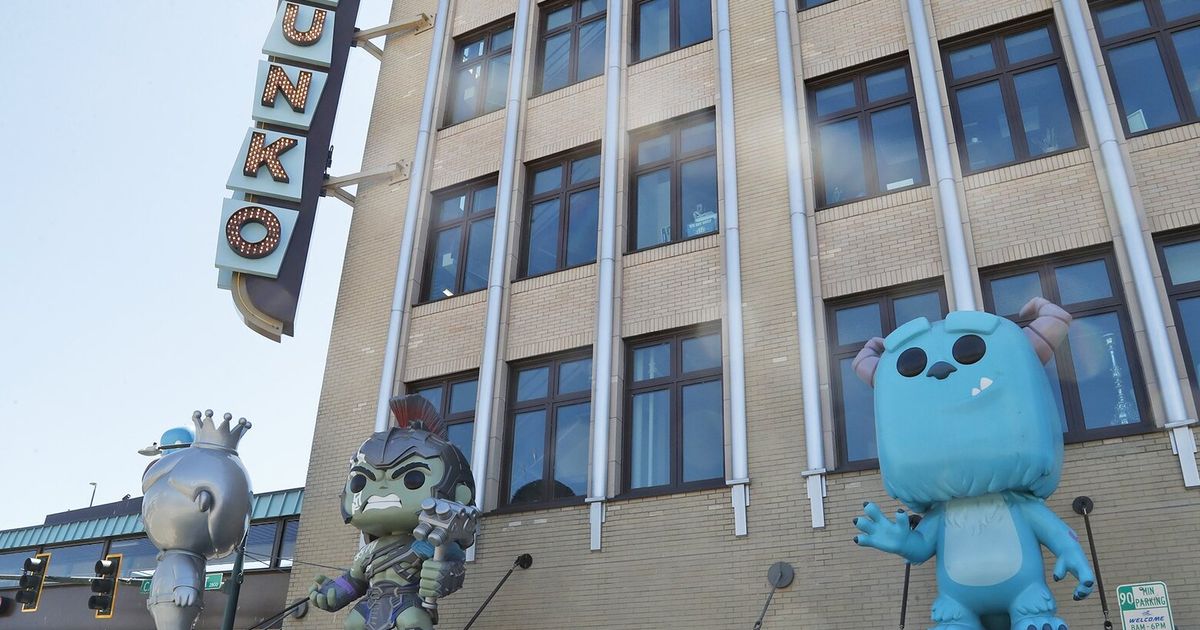
Funko, the Everett-based manufacturer of the ubiquitous Pop! vinyl figurines, was hit with a new lawsuit on Monday alleging that the company deceived users about how their personal data would be collected, stored, and potentially shared with third parties. The complaint, reported by The Seattle Times, centers on Funko's digital ecosystem—including its mobile app, website, and loyalty programs—claiming the company's privacy policies and user agreements did not match its actual data practices.
Key Facts
- The lawsuit was filed on Monday, May 11, 2026, and first reported by The Seattle Times, naming Funko, Inc. as the defendant.
- The case alleges Funko misled users about how their personal data would be used, specifically regarding data collection through the company's Pop! Yourself avatar creator and its Funko Fan Club loyalty program.
- The complaint claims Funko's privacy policies and terms of service contained representations about data handling that were contradicted by the company's actual practices.
- The lawsuit was filed in U.S. District Court for the Western District of Washington, where Funko is headquartered in Everett, Washington.
- Funko reported $1.09 billion in revenue for fiscal year 2025, with digital and direct-to-consumer sales accounting for approximately 22% of that total.
- The company has faced prior legal challenges, including a 2023 shareholder lawsuit over inventory mismanagement and a 2024 class action over defective product packaging.
- This is the first data privacy lawsuit filed against Funko, which has over 1,000 employees and operates in more than 50 countries.
Breaking It Down
The core allegation in this lawsuit is that Funko's data practices diverged from its public promises—a claim that, if proven, could trigger cascading legal and financial consequences. Data privacy litigation has become a potent weapon for plaintiffs, particularly in Washington state, which enacted the Washington My Health My Data Act in 2023 and has one of the most aggressive consumer privacy frameworks in the country. For Funko, a company whose business model depends on collecting detailed consumer preferences to drive its enormous catalog of over 1,000 unique Pop! characters, the stakes are existential.
"The company's entire direct-to-consumer strategy relies on harvesting granular data about collector behavior—which characters they buy, how often, and through which channels."
This data fuels Funko's production decisions, its limited-edition drops, and its loyalty program that now boasts over 4 million registered users. If the court finds that Funko misrepresented how it handled this data, the company could face not only statutory damages under Washington's Consumer Protection Act but also potential liability under the federal Computer Fraud and Abuse Act and state wiretapping laws. The lawsuit's timing is particularly acute: Funko has been struggling to stabilize its business after a 2023 inventory crisis that forced it to destroy $30 million worth of unsold product and lay off 10% of its workforce.
The case also raises questions about third-party data sharing. The complaint reportedly alleges that Funko shared user data with analytics firms, advertising partners, and possibly data brokers without adequate disclosure. This is a pattern that has ensnared major tech companies like Meta, Google, and TikTok in multibillion-dollar settlements, but it is relatively new terrain for a consumer goods company like Funko. The difference is that Funko's users—many of whom are minors or young adults—may not expect a toy company to be collecting and monetizing their personal information in the same way a social media platform would.
What Comes Next
The lawsuit is in its earliest stages, but several concrete developments will determine its trajectory:
-
Funko's response deadline: The company has 21 days from the filing date to respond, meaning a formal answer or motion to dismiss is due by June 1, 2026. Investors will be watching closely for any admission that data practices differed from stated policies.
-
Discovery phase: If the case proceeds, Funko will be required to produce internal communications, data-sharing agreements, and privacy policy drafts. This discovery period, typically lasting 6–12 months, could reveal whether senior executives knew about the alleged discrepancies.
-
Class certification hearing: The plaintiffs will seek to certify the case as a class action, which would cover all Washington residents who used Funko's digital platforms. A certification hearing is expected in late 2026 or early 2027.
-
Regulatory scrutiny: The Washington State Attorney General's office, which has been aggressive on data privacy enforcement under AG Nick Brown, may open its own investigation. A parallel state probe could accelerate settlement talks or lead to additional penalties.
The Bigger Picture
This lawsuit fits into two major trends reshaping the technology and consumer goods landscape. The first is data privacy as a business risk. Companies that collect consumer data—even seemingly innocuous toy companies—are increasingly being held to the same standards as Big Tech. Washington's My Health My Data Act, which covers a broad definition of health-related data, could be particularly relevant if Funko's platforms collected information about users' physical activity, sleep patterns, or emotional states through gamified features.
The second trend is the collision of physical products and digital surveillance. Funko's Pop! figures are physical objects, but the company's future depends on digital engagement—apps, loyalty programs, and social features that generate data. This "phygital" convergence creates a regulatory blind spot: consumers expect privacy from their phone's operating system but may not realize that their toy company is equally capable of tracking them. As lawsuits like this one multiply, the Federal Trade Commission under Chair Lina Khan has signaled that it will pursue companies that collect data under misleading pretenses, regardless of industry.
Key Takeaways
- [Data Privacy Lawsuit]: Funko faces its first-ever data privacy class action, alleging the company misled users about data collection and sharing practices through its digital platforms.
- [Business Vulnerability]: The lawsuit targets Funko's core direct-to-consumer strategy, which relies on collecting detailed collector data to drive production and marketing decisions.
- [Regulatory Exposure]: Washington state's aggressive privacy laws, including the My Health My Data Act, create a high-risk legal environment for companies that mishandle consumer data.
- [Industry Precedent]: This case could set a benchmark for holding consumer goods companies—not just tech platforms—accountable for data privacy violations, expanding the scope of who is considered a data collector.