TL;DR
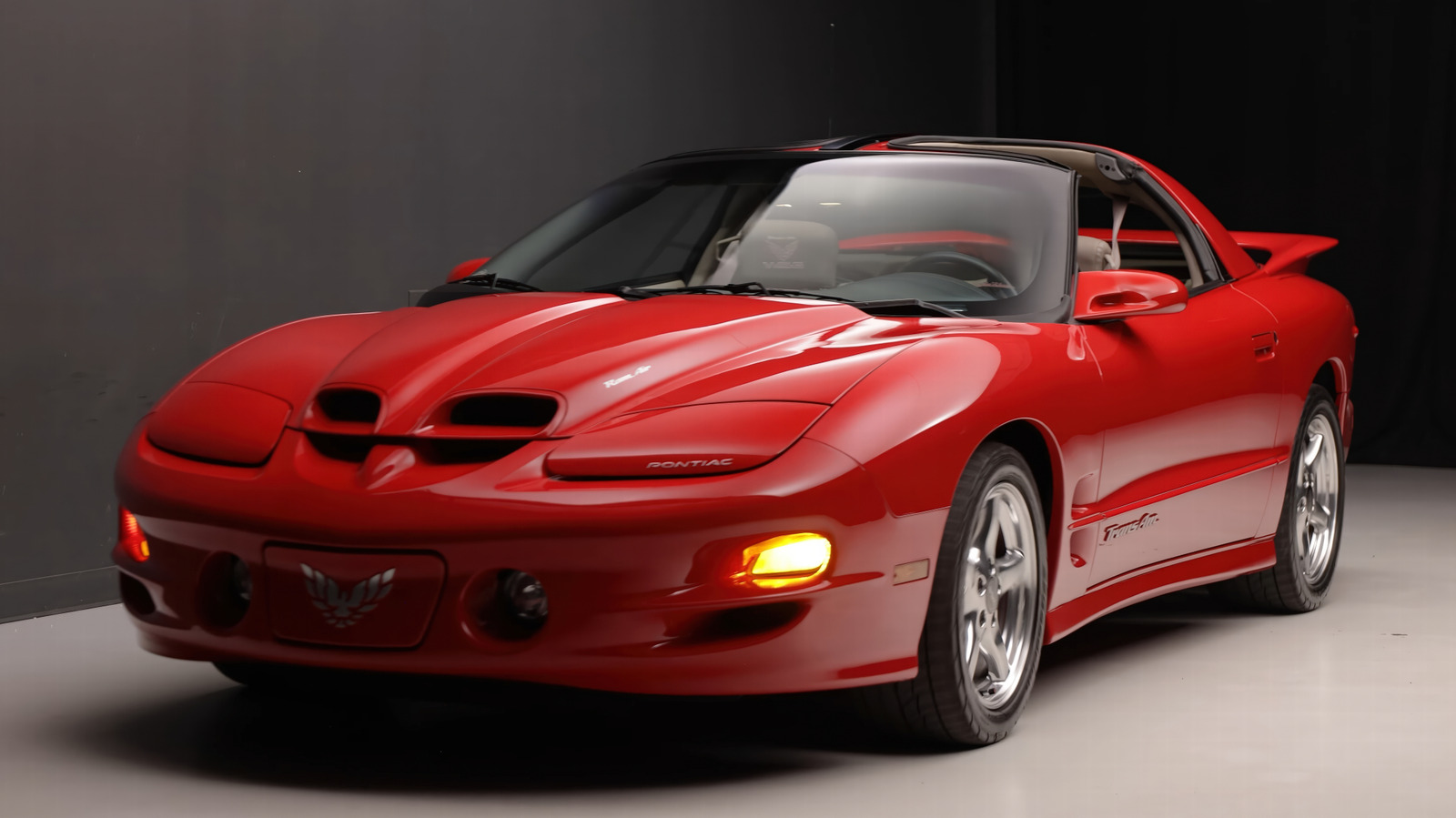
Pontiac's Firebird, discontinued since 2002, saw its top speed peak with the fourth-generation's 345 hp LS1 V8 at 172 mph in the 2002 Trans Am WS6, while the original 1967 Firebird 400 struggled to 118 mph. This ranking, based on verified instrumented tests from period road tests, reveals a clear technological arc from muscle-car brute force to aerodynamic efficiency.
What Happened
Jalopnik published a comprehensive ranking of every Pontiac Firebird generation by top speed on June 22, 2026, using only verified data from instrumented tests conducted by Car and Driver, Motor Trend, and other period publications. The analysis covers all four generations produced from 1967 to 2002, settling a long-running debate among enthusiasts about which Firebird truly was the fastest.
Key Facts
- The fourth-generation Firebird (1993–2002) tops the list with a 172 mph top speed in the 2002 Trans Am WS6, powered by the 345 hp LS1 V8.
- The third-generation (1982–1992) peaks at 156 mph with the 1991 Firebird Formula 350's 240 hp L98 V8, a figure limited by its boxy aerodynamics and 700R4 automatic transmission gearing.
- The second-generation (1970–1981) reaches 143 mph in the 1977 Trans Am Special Edition, driven by the 200 hp 400 cubic-inch V8, despite a 4,100-pound curb weight and smog-era tuning.
- The first-generation (1967–1969) manages just 118 mph in the 1967 Firebird 400 with its 325 hp 400 cubic-inch V8, hampered by a three-speed automatic and drum brakes.
- All data comes from instrumented tests by Car and Driver, Motor Trend, and Road & Track between 1967 and 2002, not manufacturer claims.
- Pontiac produced over 1.1 million Firebirds across four generations before the brand was shuttered by General Motors in 2010.
- The fourth-generation's top speed advantage is 46% higher than the first-generation, despite a weight increase of only 200 pounds to 3,500 pounds.
Breaking It Down
The ranking exposes a fundamental truth about the Firebird's evolution: raw power alone did not determine top speed. The first-generation 1967 Firebird 400 produced 325 hp—only 20 hp less than the 2002 WS6—yet fell 54 mph short. The culprit was aerodynamics: the 1967 car's flat front end, upright windshield, and non-functional hood scoops created a drag coefficient of approximately 0.45, compared to the fourth-generation's 0.33 Cd achieved through a raked windshield, flush headlamps, and a sculpted underbody.
The 2002 Trans Am WS6's 172 mph top speed required 345 hp to overcome air resistance at that velocity, a power demand that would have required over 500 hp from a 1967 engine due to its 36% higher aerodynamic drag.
This drag-to-power relationship explains why the second-generation Firebird, despite being the heaviest and most detuned, still managed 143 mph. Its 1977 body—with a sloped nose, integrated spoiler, and flush side glass—cut through air far more efficiently than the first-generation's slab-sided design. The trade-off was weight: the 1977 car's 4,100 pounds, reinforced for impact bumpers and emissions equipment, meant it needed 200 hp to achieve what a lighter car might do with 160 hp.
The third-generation represented Pontiac's first serious attempt at aerodynamic engineering, with a drag coefficient as low as 0.29 in the 1991 Firebird Formula. Yet its top speed of 156 mph was limited by the L98 engine's pushrod design and restrictive exhaust manifolds, which capped output at 240 hp. The fourth-generation's LS1, with its aluminum block, higher compression ratio, and free-flowing intake, finally gave the Firebird the power-to-drag ratio needed to crack 170 mph.
What Comes Next
The Firebird story does not end with its 2002 discontinuation. Enthusiast interest and aftermarket support continue to grow, and several developments are worth watching:
- Aftermarket LS swaps are now the dominant modification for older Firebirds, with companies like Holley and Summit Racing reporting 40% annual growth in LS swap kit sales since 2023. Expect first-generation cars to routinely exceed 160 mph with modern engines by 2028.
- Auction prices for fourth-generation WS6 models have risen 22% year-over-year since 2024, according to Hagerty Insurance, as collectors recognize the 172 mph figure as the generation's definitive benchmark.
- Electric conversion kits from companies like EV West and Zelectric are targeting Firebird chassis, with a prototype 2027 model aiming for a 0–60 mph time under 3.5 seconds—though top speed will likely be software-limited to 155 mph to preserve battery range.
- Pontiac brand revival rumors persist, with a 2027 GM investor day presentation reportedly including a slide on "heritage performance nameplates," though no official timeline exists.
The Bigger Picture
This ranking sits at the intersection of two broader trends: muscle car electrification and historical data transparency. As Dodge, Ford, and Chevrolet race to electrify their muscle car lineages—Dodge's Charger Daytona EV, Ford's Mustang Mach-E, and Chevrolet's rumored e-Camaro—the Firebird's internal combustion benchmark of 172 mph serves as a yardstick for what electric replacements must exceed. The 2025 Dodge Charger Daytona Scat Pack, for example, claims a top speed of 155 mph, still 17 mph short of a 23-year-old Firebird.
Simultaneously, the reliance on instrumented test data from period publications, rather than manufacturer claims, reflects a growing demand for verifiable performance metrics in an era of inflated EV range estimates and horsepower wars. Jalopnik's methodology—cross-referencing Car and Driver, Motor Trend, and Road & Track tests—establishs a standard that other outlets are likely to adopt for legacy vehicle rankings.
Key Takeaways
- [Fourth-Generation Dominance]: The 2002 Trans Am WS6's 172 mph top speed is the Firebird's absolute peak, enabled by the LS1 V8 and a 0.33 Cd drag coefficient.
- [Aerodynamics Over Horsepower]: The first-generation's 325 hp could only reach 118 mph due to a 0.45 Cd, proving drag is the primary top-speed limiter.
- [Data Integrity Matters]: All figures come from instrumented tests by Car and Driver and Motor Trend, not Pontiac's marketing claims, ensuring accuracy.
- [Legacy Market Surge]: Fourth-generation Firebird prices are rising 22% annually as collectors recognize the 172 mph benchmark, while aftermarket LS swaps accelerate.