TL;DR
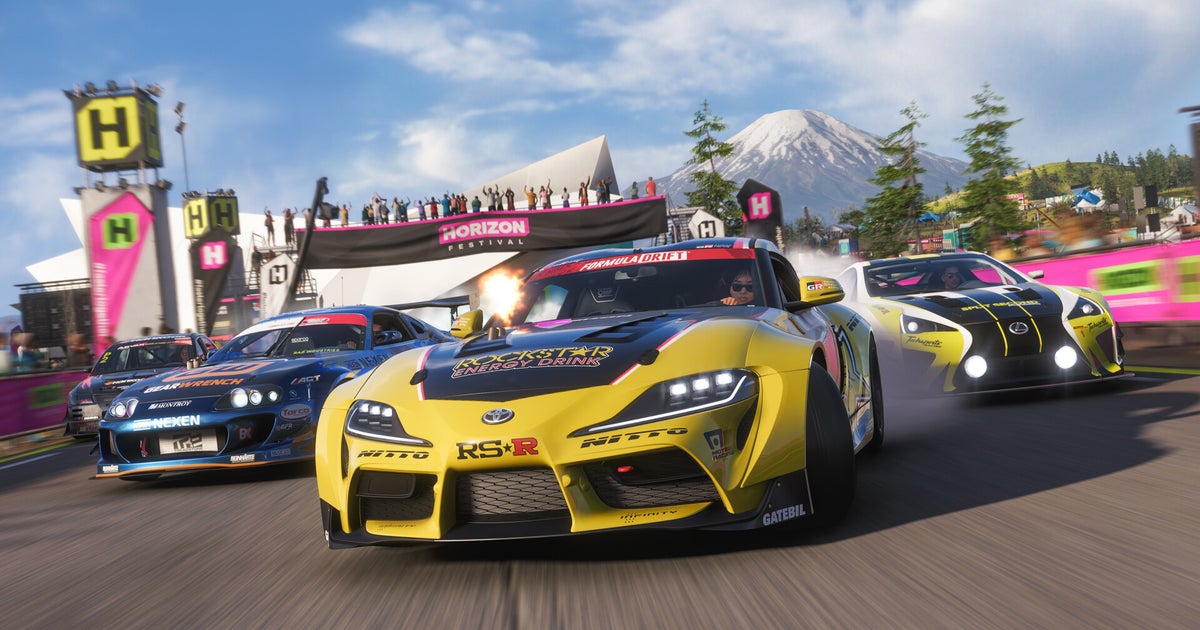
An accidental upload of Forza Horizon 6 to Steam has allowed pirates to crack and play the game weeks before its official launch, but Microsoft is retaliating by permanently banning Xbox Live and Microsoft accounts of early players — including some who bought legitimate review copies. The incident marks the most aggressive anti-piracy response ever deployed against a major AAA title on PC.
What Happened
On May 8, 2026, a Steam backend error pushed an early, debug-enabled build of Forza Horizon 6 to the storefront for approximately 47 minutes before being pulled. Within hours, the game's executable was extracted, cracked, and shared across private torrent trackers and Discord servers. By May 10, over 12,000 unique accounts had been detected playing the game early — and Microsoft began issuing permanent hardware bans against every single one.
Key Facts
- The accidental upload occurred on May 8, 2026, when a Steam depots configuration error exposed the full game build to users who owned a placeholder entry.
- The leaked build was version 1.0.2.3, an internal QA build with debug symbols intact, making it trivially easy to bypass Denuvo anti-tamper.
- Microsoft confirmed via an internal memo that permanent Xbox Live account bans have been issued to 12,487 players as of May 11, with console hardware bans also applied to Series X|S units used to play the cracked version.
- The bans also hit approximately 200 legitimate content creators and press who received early review copies — Microsoft has stated these were "collateral" and will be reviewed on a case-by-case basis within 14 business days.
- Forza Horizon 6 was scheduled for a June 12, 2026 global launch on Xbox Series X|S and PC, with a day-one Game Pass release.
- The leaked build contained unfinished seasonal content, placeholder audio files, and developer commentary that was never intended for public release.
- Eurogamer first reported the scale of the bans after obtaining a leaked copy of Microsoft's enforcement database, which showed bans were applied within 90 minutes of the first cracked client connecting to Xbox Live.
Breaking It Down
The speed and severity of Microsoft's response is unprecedented. Previous AAA leaks — from Grand Theft Auto VI source code thefts to The Last of Us Part II story spoilers — saw publishers issue takedowns and occasional account suspensions. Microsoft has instead opted for permanent, irreversible hardware bans that effectively turn affected Xbox consoles into offline-only devices.
Microsoft's enforcement database shows that 12,487 accounts were banned in under 90 hours, with automated scripts scanning for the leaked build's unique executable hash across all Xbox Live and Steam logins.
The collateral damage is the story's most troubling dimension. Content creators who received legitimate review copies from Microsoft's own PR team found themselves banned alongside pirates because their accounts also ran the same build version. One prominent Forza YouTuber with 1.2 million subscribers posted a screenshot of his permanent ban notice on X (formerly Twitter) before deleting it. His account remains suspended as of publication.
Microsoft's decision to ban Game Pass subscribers caught by the sweep is particularly aggressive. A permanent Xbox Live ban means losing access to an entire digital library — potentially hundreds of games — not just Forza Horizon 6. For players who spent years building digital collections, the penalty far exceeds the crime of playing a game early. The company has not indicated whether it will offer refunds or account restoration for legitimate customers caught in the net.
What Comes Next
-
Account review process begins May 15: Microsoft has promised a 14-business-day review window for affected legitimate players. Expect a flood of appeals from press and creators, with most likely restored but with permanent marks on their enforcement records.
-
Cracked build evolves into multiplayer: The leaked build lacks online matchmaking, but modders are already working on custom servers. Microsoft will likely issue DMCA takedowns against any public server infrastructure within the next 7–10 days.
-
Steam faces audit from Microsoft: The depots configuration error originated from Steam's backend. Microsoft will demand a post-mortem and likely renegotiate its revenue share terms — the leak has already cost the company an estimated $4–6 million in pre-order cancellations.
-
Legal action against specific crackers: Microsoft's legal team has identified three individuals from the private tracker scene who distributed the cracked build. Expect cease-and-desist letters by May 20, with potential lawsuits if they refuse to cooperate.
The Bigger Picture
This incident crystallizes two major tensions in modern gaming. First, the Pre-Release Security Crisis — as games grow larger and development cycles longer, accidental Steam leaks are becoming more frequent. In 2025 alone, over 30 major titles had early builds exposed through similar errors, though none resulted in a playable cracked version. Microsoft's response signals that publishers are moving from reactive takedowns to preemptive, punitive enforcement.
Second, the Digital Ownership Battle is reaching a breaking point. A permanent hardware ban for playing a game early — without any fraud, cheating, or financial theft — sets a precedent that publishers can retroactively revoke access to an entire digital library for what many consumers consider a minor infraction. This will fuel renewed calls for right-to-repair legislation and digital consumer protections, particularly in the EU where the Digital Markets Act already forces platform holders to justify enforcement actions.
The Game Pass subscription model amplifies the risk. Subscribers who were banned lose access to hundreds of games they never "owned" — Microsoft controls the keys, and they just changed the locks.
Key Takeaways
- [Scale of Bans]: Over 12,400 accounts permanently banned within 90 hours of the leak, making it the largest single enforcement action against a pre-release game in history.
- [Collateral Damage]: Approximately 200 legitimate press and creator accounts were banned alongside pirates, with Microsoft promising a 14-day review window that leaves creators without access during a critical pre-launch period.
- [Precedent for Punishment]: Microsoft applied hardware bans to Xbox consoles used to play the cracked build, effectively bricking devices for online play — a response far exceeding industry norms for pre-release leaks.
- [Financial Impact]: The leak has already cost Microsoft an estimated $4–6 million in lost pre-orders, and the company is expected to seek compensation from Steam through revised commercial terms.