TL;DR
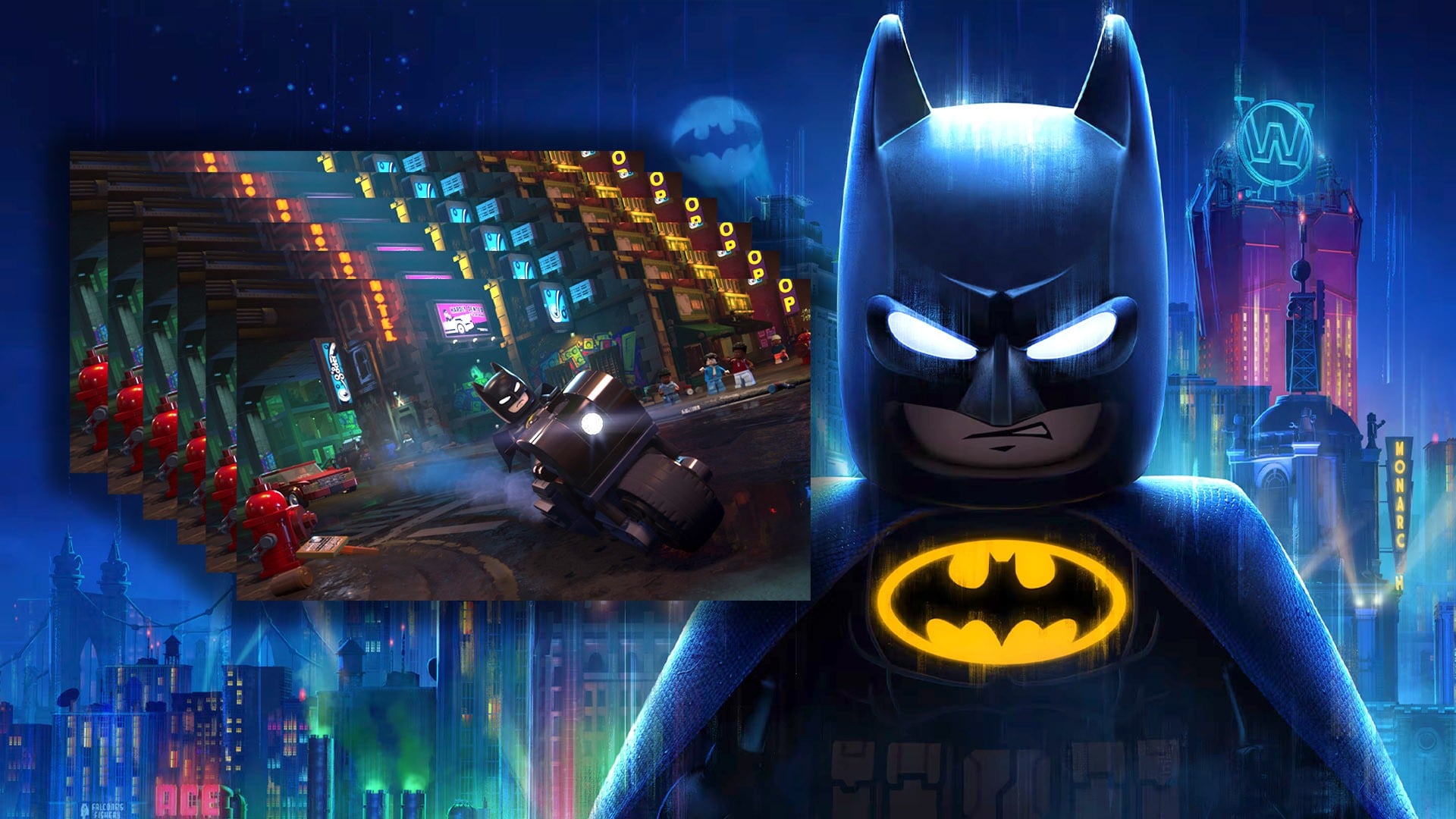
TT Games has released a PC specification sheet for Lego Batman that lists "Frame-Gen to 30fps" as a recommended performance target, prompting widespread ridicule from Digital Foundry and the gaming community. This bizarre marketing misstep exposes a growing disconnect between developer messaging and player expectations for PC gaming performance.
What Happened
TT Games released the official PC system requirements for its upcoming Lego Batman title on Friday, May 8, 2026, and within hours, the internet had a collective laugh. The spec sheet, obtained and analyzed by Digital Foundry, bizarrely lists "Frame-Gen to 30fps" as a recommended performance target—a phrase that combines two concepts that should never appear together. Frame generation, a technology designed to boost frame rates from 60fps to 120fps or higher, is here being marketed as a way to achieve what was considered the bare minimum for playability two decades ago. Digital Foundry called it "a bad decision and kind of funny," but the deeper implications for PC gaming marketing are anything but a joke.
Key Facts
- The spec sheet was released by TT Games on May 8, 2026, for the upcoming Lego Batman title.
- Digital Foundry published the analysis on Digitalfoundry.net, calling the requirements "bizarre" and a "case study in how not to market a game."
- The phrase "Frame-Gen to 30fps" appears as a recommended target, which Digital Foundry described as "a bad decision and kind of funny."
- Frame generation technology, popularized by Nvidia's DLSS 3 and AMD's FSR 3, is typically used to boost frame rates from 60fps to 120fps or higher, not to reach 30fps.
- The spec sheet suggests that without frame generation, the game may struggle to maintain even 30 frames per second on recommended hardware.
- TT Games is a subsidiary of Warner Bros. Interactive Entertainment, known for the Lego video game franchise spanning over a decade.
- The incident has sparked a broader debate about PC port quality and transparency in system requirements across the gaming industry.
Breaking It Down
The immediate absurdity of "Frame-Gen to 30fps" is obvious: frame generation is a technology that interpolates frames to make motion appear smoother, but it introduces input latency and visual artifacts. Using it to hit 30fps means the base rendering performance is likely below 20fps—a threshold that most gamers consider unplayable. Digital Foundry's analysis highlights that this is not just a marketing gaffe but a fundamental misunderstanding of what frame generation is supposed to achieve.
"Frame-Gen to 30fps" is the equivalent of advertising a car's turbocharger as a way to reach 30 miles per hour on the highway.
The deeper issue is that TT Games appears to be treating frame generation as a crutch rather than an enhancement. If the recommended hardware cannot deliver a stable 60fps without frame generation, the game's optimization is fundamentally broken. This is particularly concerning for a Lego title, which historically has not been a graphically demanding franchise. The art style is stylized, the polygon counts are modest, and the physics are simple—there is no technical reason a Lego game should require cutting-edge upscaling technology to run at acceptable frame rates.
This incident also reveals a worrying trend in the industry: developers are increasingly relying on upscaling and frame generation technologies to compensate for poor optimization, rather than investing in proper engine work. The spec sheet's inclusion of "Frame-Gen to 30fps" suggests that TT Games may have optimized the game primarily for consoles, where 30fps is still an accepted standard, and then ported it to PC without adequate performance tuning. The result is a spec sheet that reads like a confession of technical inadequacy.
What Comes Next
The immediate fallout will likely force TT Games and Warner Bros. to issue a clarification or revised spec sheet. The gaming press, led by outlets like Digital Foundry, will continue to scrutinize the game's actual performance at launch. Here are the concrete developments to watch:
- Official response from TT Games within the next week—either a corrected spec sheet or a statement explaining the "Frame-Gen to 30fps" target. A defensive response will worsen the backlash; a mea culpa may contain the damage.
- Digital Foundry's full performance analysis at launch, which will likely test the game on a range of hardware to see if the spec sheet's targets are realistic or if the game genuinely struggles to hit 30fps without frame generation.
- Community backlash measurement—Steam reviews, Reddit threads, and YouTube coverage will determine whether this becomes a lasting stain on the Lego Batman launch or a quickly forgotten meme.
- Industry-wide discussion at summer game conferences (E3 2026, Summer Game Fest) about PC port standards and the appropriate use of frame generation in marketing materials.
The Bigger Picture
This story sits at the intersection of two major technology trends. The first is Frame Generation Proliferation—Nvidia, AMD, and Intel have all invested heavily in AI-driven frame interpolation, but the technology is being marketed as a performance solution rather than an enhancement. When a game lists "Frame-Gen to 30fps" as a selling point, it signals that the industry may be using these tools to mask poor optimization rather than to push boundaries.
The second trend is PC Port Quality Decline—in recent years, major publishers have released PC ports that are poorly optimized, requiring top-tier hardware to run at settings that should be achievable on mid-range systems. Games like The Last of Us Part I, Star Wars Jedi: Survivor, and Gotham Knights all launched with severe performance issues. The Lego Batman spec sheet suggests this problem is not limited to graphically intensive AAA titles but is now affecting even casual, stylized games. This erosion of trust between developers and PC gamers is a long-term threat to the platform's viability as a primary gaming ecosystem.
Key Takeaways
- [Frame Generation Misuse]: TT Games' "Frame-Gen to 30fps" target fundamentally misunderstands the purpose of frame generation technology, which is designed to boost high frame rates, not salvage unplayable ones.
- [Optimization Failure]: A Lego game requiring frame generation to hit 30fps on recommended hardware indicates severe optimization problems, especially given the franchise's historically modest graphical demands.
- [Marketing Blunder]: The spec sheet is a textbook case of how not to market a PC game—it highlights the game's technical weaknesses rather than its strengths, inviting ridicule and scrutiny.
- [Industry Red Flag]: This incident is part of a broader pattern of publishers relying on upscaling and frame generation to compensate for poor PC ports, eroding trust and setting dangerous precedents for performance expectations.