TL;DR
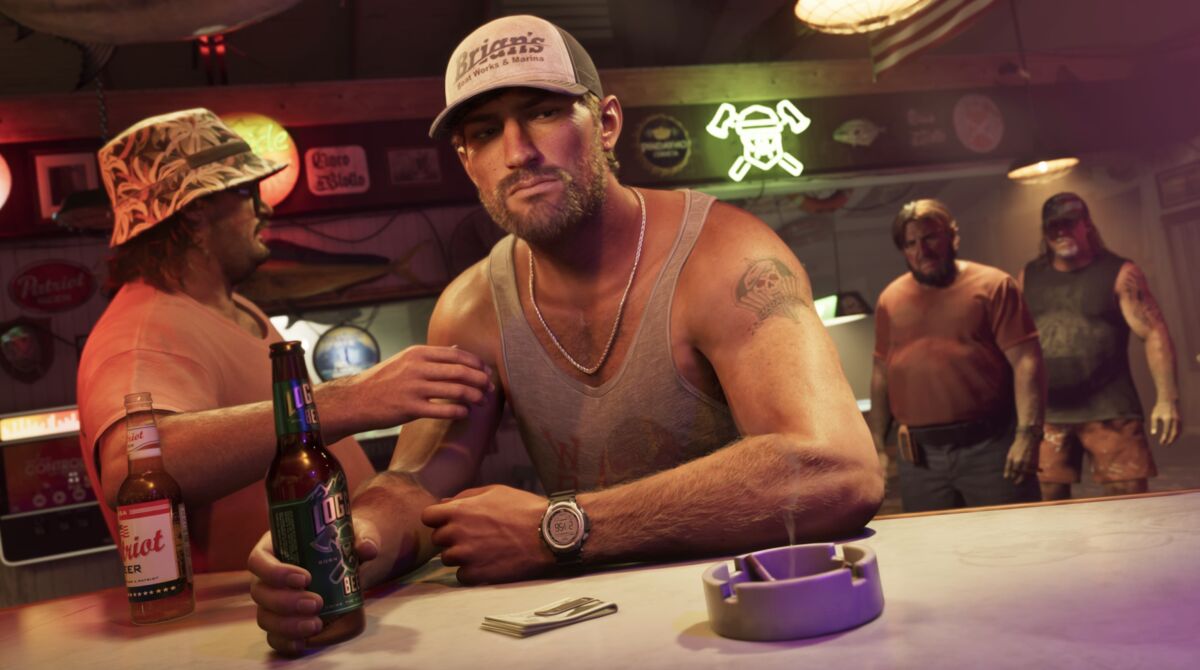
Take-Two Interactive CEO Strauss Zelnick directly stated that some video games must become cheaper to produce or they will not be made, signaling a fundamental shift in AAA game economics. This matters because it comes from the publisher of Grand Theft Auto VI — the most expensive game ever made — and suggests that even the industry's biggest bet is forcing a reckoning with ballooning development costs.
What Happened
Take-Two Interactive CEO Strauss Zelnick told Bloomberg on Friday, May 8, 2026, that the company needs to be "smarter" about game development costs, warning that certain titles will simply not be made if budgets continue to spiral. The remarks — made by the head of the publisher behind Grand Theft Auto VI, the most anticipated and expensive video game in history — signal that even the industry's biggest players are hitting a ceiling on what they can spend.
Key Facts
- Strauss Zelnick said in a Bloomberg interview that some games "need to be cheaper to make or they won't be made at all," marking an unusually direct admission from a major publisher.
- Take-Two Interactive is the parent company of Rockstar Games, which has spent an estimated $2 billion developing and marketing Grand Theft Auto VI, according to industry analysts.
- The Grand Theft Auto VI budget reportedly exceeds the production costs of most Hollywood blockbuster franchises, including Avengers: Endgame and Avatar: The Way of Water.
- Bloomberg reported the story on Friday, May 8, 2026, citing Zelnick's comments about financial discipline and smarter resource allocation.
- Zelnick did not specify which games are at risk, but the comment applies broadly to Take-Two's entire portfolio, which includes franchises like NBA 2K, Borderlands, and Civilization.
- The statement comes as AAA game development costs have risen 300% over the past decade, with some titles now requiring $500 million to $1 billion to produce and market.
- Take-Two's stock fell 2.3% on the day of the interview, reflecting investor concern about margin pressure in the company's pipeline.
Breaking It Down
Zelnick's admission is not a throwaway line — it is a strategic signal. For years, major publishers have treated ballooning budgets as an unavoidable cost of competing in the AAA space. Rockstar's own Red Dead Redemption 2 cost an estimated $500 million to develop and market, yet it sold over 60 million copies and was considered a financial success. But Grand Theft Auto VI has reportedly blown past that figure by a factor of four, creating a business model that even the industry's most profitable publisher finds unsustainable.
$2 billion — the estimated total cost of Grand Theft Auto VI — is more than the entire annual revenue of most mid-sized game publishers, including Devolver Digital and Team17.
The math is brutal. A game that costs $2 billion to make needs to generate roughly $6 billion in revenue just to achieve a reasonable return on investment, assuming typical publisher margins. That requires selling 60 million copies at $100 each — or more likely 80 million copies at $70 each, plus microtransactions. While Grand Theft Auto V has sold over 200 million units since 2013, there is no guarantee that a sequel will match that performance, especially with a higher price point and growing consumer fatigue with live-service monetization.
Zelnick's "smarter" comment implies a shift in Take-Two's internal calculus. The company may begin capping budgets on non-essential titles, greenlighting only games with clear, high-margin potential. That could mean fewer experimental projects, smaller-scale sequels, or a greater reliance on mid-tier and indie partnerships rather than blockbuster bets. It also suggests that Rockstar's next project after GTA VI may be significantly more modest in scope.
What Comes Next
- Grand Theft Auto VI release date: The game is still expected in late 2026, but Zelnick's comments could signal a delay if Take-Two determines that additional polish or cost-cutting is needed before launch.
- Take-Two's next earnings call: Investors will press Zelnick for specifics on which games are at risk and whether the company plans to reduce its development headcount or shutter studios.
- Industry-wide budget caps: Other major publishers — Electronic Arts, Ubisoft, Activision Blizzard — may follow with similar statements, as they face identical cost pressures.
- Rockstar's post-GTA VI roadmap: Expect a leaner, more focused slate from the studio, possibly abandoning plans for a Red Dead Redemption 3 or other massive open-world projects in favor of smaller, service-based titles.
The Bigger Picture
This story is part of a broader AAA Cost Crisis sweeping the video game industry. Development costs for top-tier games have risen 300% over the past decade, while consumer prices have only increased from $60 to $70 — a 17% rise. The gap is being filled by microtransactions, season passes, and live-service models, but even those revenue streams are facing regulatory scrutiny and player backlash.
At the same time, the Indie Game Renaissance is accelerating. Smaller studios with budgets under $10 million are producing critically and commercially successful titles — Hades, Stray, Baldur's Gate 3 — that rival AAA experiences in quality and player engagement. Zelnick's comment may reflect a recognition that Take-Two needs to diversify its portfolio away from the all-in blockbuster model and toward more sustainable, lower-cost development.
Key Takeaways
- [Budget Ceiling]: Take-Two CEO Strauss Zelnick explicitly stated that some games must become cheaper to make or will not be made, signaling a hard budget cap is coming to AAA development.
- [GTA VI Economics]: The $2 billion cost of Grand Theft Auto VI is forcing even the industry's most profitable publisher to reconsider its spending model.
- [Industry Ripple Effect]: This statement from a top-tier publisher will likely prompt other AAA companies — EA, Ubisoft, Activision — to publicly address their own cost structures.
- [Smaller Games, Bigger Margins]: Take-Two may shift toward mid-tier and indie-scale projects, following the success of lower-budget hits that deliver high returns without billion-dollar risks.