TL;DR
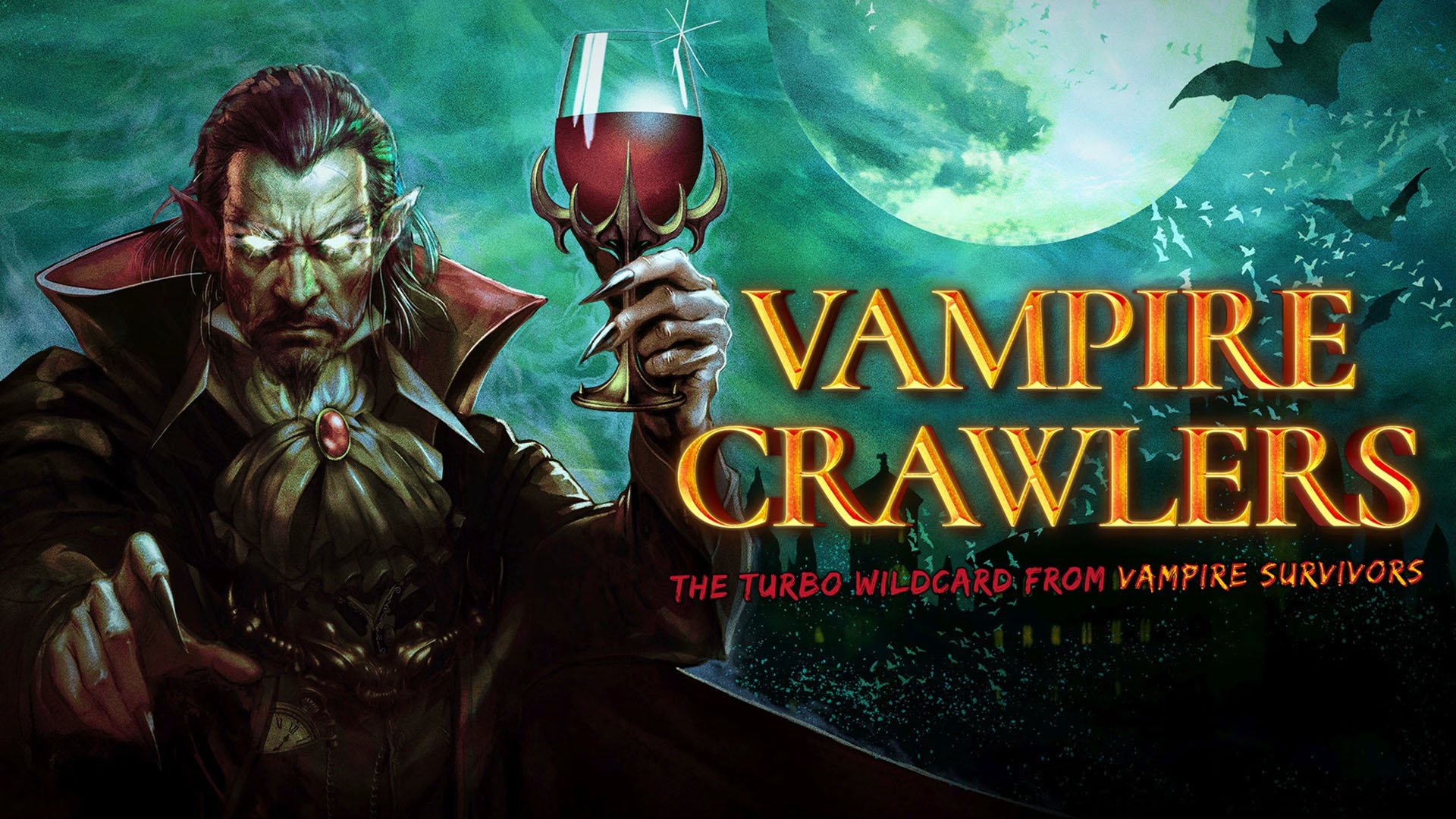
Vampire Crawlers, the radical genre-shifting spinoff of the global phenomenon Vampire Survivors, launches today, April 21, 2026, on Xbox Series X|S, PC, and Game Pass. This is not a simple sequel but a complete mechanical reinvention into a first-person, turn-based dungeon-crawling roguelite deckbuilder, proving that a breakout hit's core identity can survive and thrive in an entirely new gameplay framework.
What Happened
On Tuesday, April 21, 2026, developer Poncle shattered expectations by launching not a direct sequel, but a full genre pivot for its indie juggernaut. Vampire Crawlers has arrived, taking the soul of the minimalist bullet heaven Vampire Survivors and reincarnating it as a complex, strategic first-person dungeon crawler. This bold move instantly expands the franchise's reach on Xbox Series X|S, PC, and into the Game Pass library, challenging the notion of what a successful IP must become.
Key Facts
- Vampire Crawlers launched globally on Tuesday, April 21, 2026, across multiple platforms simultaneously.
- The game is a spinoff from Poncle's 2022 breakout hit Vampire Survivors, which sold over 15 million copies and defined the "bullet heaven" genre.
- It represents a dramatic genre shift from an auto-attack top-down shooter to a first-person, turn-based dungeon-crawling roguelite deckbuilder.
- The game is available on Xbox Series X|S, PC, and is included in the Xbox Game Pass subscription service from day one.
- The development is led by Poncle (Luca Galante), the original studio, indicating a strategic in-house expansion of the IP rather than a licensed offshoot.
- The core loop transitions from real-time survival against hordes to turn-based strategic exploration, deck construction, and resource management in a dungeon.
Breaking It Down
The launch of Vampire Crawlers is a masterclass in intelligent franchise evolution. Instead of producing Vampire Survivors 2—a move that would risk saturating the very genre it created—Poncle has deconstructed its hit to its fundamental pillars: the dopamine hit of synergistic power-ups, the roguelite structure of "just one more run," and the gothic-pixel charm. It has then rebuilt those pillars within a completely different architectural style. This is not a skin over new mechanics; it is a translation of core philosophy. The "bullet heaven" sensation of becoming overpowered through clever combinations is now achieved through deckbuilding and tactical turn-based choices, preserving the soul while demanding a new type of player engagement.
The success of Vampire Survivors was built on its accessibility and "passive" power fantasy, yet Vampire Crawlers deliberately pivots to the more cognitively demanding niches of turn-based strategy and deckbuilding.
This is the most analytically significant risk and insight of the project. Poncle is betting that the audience it captivated with simplicity has an appetite for complexity. The turn-based and deckbuilding genres are traditionally characterized by slower, more deliberate engagement, a stark contrast to the screen-filling chaos of the original. By making this leap, Poncle is testing the elasticity of its brand and the loyalty of its community. It suggests a belief that players were not just addicted to the specific mechanics of Vampire Survivors, but to the underlying Poncle design ethos of clear progression, rewarding synergy, and satisfying feedback loops. If successful, it provides a blueprint for other indie studios on how to diversify a breakout IP without diluting it.
Furthermore, the day-one Game Pass release is a critical strategic component. Microsoft's subscription service acts as a massive risk mitigator for this genre experiment. For players hesitant to purchase a radical departure outright, Game Pass offers a frictionless way to try Vampire Crawlers. This lowers the barrier to entry and leverages the service's vast audience to foster organic discovery and word-of-mouth, which was instrumental in the original game's ascent. It is a symbiotic deal: Game Pass acquires a novel, buzzworthy title with built-in name recognition, and Poncle gains a safety net and a massive potential player base for its ambitious pivot.
What Comes Next
The immediate future hinges on community reception and data. The coming weeks will determine if Poncle's gamble has created a new sustainable pillar for the studio or a fascinating, niche detour.
- Player Retention and Review Analysis (Next 2-4 Weeks): The key metric will be whether the Vampire Survivors community embraces the complexity. Steam reviews, Xbox completion rates, and social media sentiment will reveal if the translated "soul" resonates. A sharp drop-off in player count after the first few hours would signal a failed translation, while strong retention would validate the strategy.
- Post-Launch Content Roadmap (May-June 2026): Poncle’s history with Vampire Survivors was defined by generous, frequent free updates. The studio’s commitment level to Vampire Crawlers will be signaled by the announcement of its first major content patch. Will it introduce new character classes, dungeon biomes, or card archetypes? The speed and scale of post-launch support will show if this is a side project or a new mainline focus.
- Influence on the Broader Indie Landscape (Rest of 2026): Success for Vampire Crawlers will undoubtedly inspire a wave of imitators and experimenters. Other studios with single-breakout hits may look to replicate this "genre-pivot" model instead of chasing direct sequels, potentially leading to a more creatively diverse indie scene in the latter half of the decade.
The Bigger Picture
Vampire Crawlers exemplifies two powerful, converging trends in the video game industry. First, the Deconstruction and Genre-Fluidity of Breakout IPs. The era of a hit game spawning endless, mechanically identical sequels is waning. Studios like Poncle and others (such as Supergiant Games moving from Bastion to Hades) are demonstrating that a strong core identity—narrative tone, artistic style, reward philosophy—can be successfully ported across genres, keeping franchises fresh and expanding their audience. This is a maturation of indie studio strategy beyond the one-hit wonder.
Second, it highlights the Strategic Role of Subscription Services in De-risking Innovation. Xbox Game Pass and its competitors are increasingly not just libraries but launch pads for experimental and mid-tier projects that might struggle under the traditional $30-$40 price point scrutiny. By providing a built-in audience, these services enable developers to pursue bold creative leaps—like a top-down auto-shooter becoming a first-person deckbuilder—that would be commercially perilous in a pure à la carte sales model. This is fostering a new era of mid-budget, high-innovation titles that might otherwise not get greenlit.
Key Takeaways
- Franchise Alchemy: Poncle has successfully demonstrated that a game's core addictive loop can be abstracted and re-applied to a radically different genre, offering a new model for IP expansion beyond iterative sequels.
- Game Pass as Incubator: The day-one inclusion on Xbox Game Pass is a strategic masterstroke, de-risking a niche genre pivot by guaranteeing exposure and trial from millions of subscribers.
- Community Litmus Test: The success of Vampire Crawlers will be the ultimate test of whether the Vampire Survivors fanbase is loyal to the specific mechanics or the broader Poncle design philosophy of synergistic progression and rewarding gameplay loops.
- Indie Strategic Evolution: This move signals a shift for successful indie studios from being defined by a single genre hit to operating as versatile "brand houses" capable of executing across multiple game formats, increasing longevity and creative fulfillment.