TL;DR
Joe Gibbs Racing's victory at the Martinsville Speedway on April 12, 2026, transcended a typical NASCAR win when team owner Joe Gibbs was interrupted mid-interview by his grandson, driver Ty Gibbs. The moment, highlighting the team's unique family and faith-based culture, underscores a pivotal shift in how motorsports organizations leverage technology and data not just for speed, but to build and broadcast a compelling human brand in a competitive media landscape.
What Happened
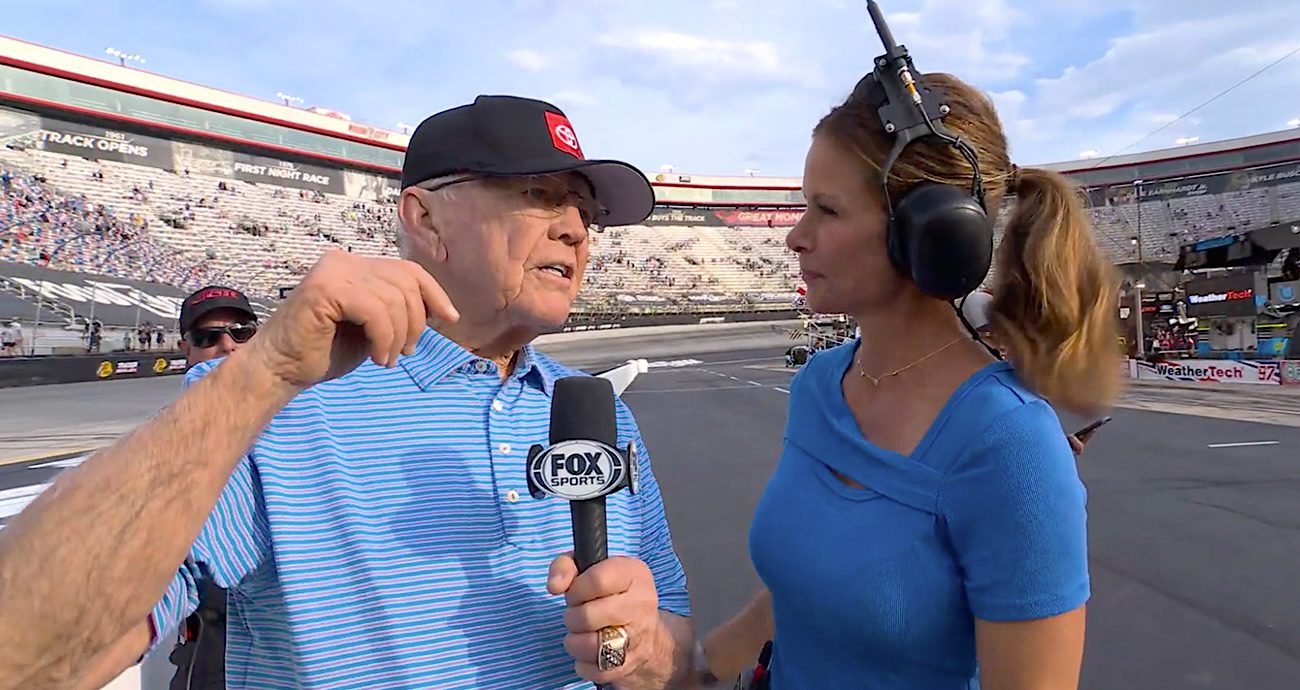
In the chaotic, champagne-soaked euphoria of Victory Lane at Martinsville Speedway, Joe Gibbs was articulating the core tenets of his legendary racing empire—faith and family—when the living embodiment of that philosophy barreled into the frame. His grandson, Ty Gibbs, the 23-year-old driver who had just clinched his first Cup Series win of the 2026 season, engulfed the 85-year-old Hall of Famer in a bear hug, physically and symbolically cementing a legacy moment for one of NASCAR's most successful dynasties.
Key Facts
- Event: NASCAR Cup Series race at Martinsville Speedway on Sunday, April 12, 2026.
- Winner: Driver Ty Gibbs, grandson of team owner Joe Gibbs, secured his first victory of the 2026 season.
- Team: The win was for Joe Gibbs Racing (JGR), one of NASCAR's premier organizations with multiple championships.
- Key Moment: Team owner Joe Gibbs was interrupted by Ty during a post-race interview in Victory Lane as he spoke about God and family.
- Cultural Emphasis: Joe Gibbs consistently prioritizes faith and family as the foundation of his team's culture.
- Broadcast: The emotional, unscripted moment was captured live and disseminated globally by NASCAR and its broadcast partners.
Breaking It Down
The Victory Lane scene at Martinsville was a masterclass in authentic brand narrative, occurring organically but within a highly engineered environment. Every major motorsports team, including JGR, invests millions in data acquisition systems, simulation software, and communication technology to optimize car performance. However, the most resonant "data point" from this race was not a telemetry readout of tire slip angle, but the raw emotional payload of a familial embrace, broadcast in high definition and amplified across social platforms. This represents a sophisticated understanding that in the modern sports economy, human interest capital is as valuable as technical capital.
The 2026 season marks Ty Gibbs's fourth full-time year in the Cup Series, a period where his performance metrics have steadily converged with the legacy expectations set by his grandfather's organization.
This trajectory is critical. Ty Gibbs is not merely a driver with a famous last name; he is a product of the JGR development pipeline, honed through years in the NASCAR Xfinity Series with the team. His success validates the organization's long-term investment in cultivating talent from within its own ecosystem. The Victory Lane moment was the powerful, viral culmination of a decades-long strategy—one that blends driver development, brand continuity, and now, a seamless integration of personal narrative into public relations. The interruption wasn't a breach of protocol; it was the ultimate proof of concept.
Furthermore, this incident highlights a strategic evolution in how racing teams manage their public-facing operations. The broadcast compound at a NASCAR race is a technological nerve center, with producers making split-second decisions on which of dozens of driver and team radio channels to air and which camera feeds to feature. The decision to stay on the Gibbs moment, letting it play out in full, was a deliberate choice to prioritize human drama. For JGR, this aligns perfectly with a brand identity meticulously built over 35 years, differentiating them from rivals whose public personas may be more singularly focused on engineering excellence or corporate partnership.
What Comes Next
The immediate aftermath of this win will trigger a series of developments both on and off the track, with JGR leveraging the moment for competitive and commercial advantage.
- Contract and Performance Momentum: Ty Gibbs, now a proven race-winner and championship contender, enters a critical phase in his career. His performance through the 2026 season, especially following this emotional victory, will heavily influence his long-term contract value with JGR and his marketability to sponsors. The team will use the data and confidence from this win to fine-tune setups for the upcoming circuit of intermediate tracks.
- Media and Marketing Amplification: JGR's marketing and social media teams will aggressively repurpose the Victory Lane footage. Expect carefully edited packages highlighting the family narrative for sponsor integrations, team morale videos, and digital content campaigns aimed at strengthening fan engagement. This human story is a versatile asset for partners like Sport Clips, Monster Energy, and Interstate Batteries.
- Technical Development Focus: While the story is human, the path to the next win is digital. The team's engineers at their Huntersville, North Carolina headquarters will be poring over the terabytes of performance data from Martinsville—from aerodynamic drag numbers to shock telemetry—to apply lessons learned to the Next Gen chassis for the remainder of the season, particularly with the playoffs on the horizon in September 2026.
- Cultural Benchmarking: This event sets a new benchmark for "storyline" management in NASCAR. Other teams will take note of the positive reception and may seek to cultivate and highlight their own internal cultures and relationships, knowing that in an age of digital saturation, authentic human connection remains a uniquely powerful differentiator.
The Bigger Picture
This story intersects with several broader technological trends reshaping professional sports. First, the Democratization of Content Creation means the moment was not solely owned by the broadcast partner. Fans with smartphones captured vertical video from the grandstands, team members posted behind-the-scenes angles, and the content was sliced into countless formats for TikTok, Instagram Reels, and X (formerly Twitter), extending the narrative's lifespan and reach far beyond the traditional TV window.
Second, it reflects the rise of Emotion Analytics and Fan Engagement Tech. Sports franchises are increasingly using AI-driven tools to gauge fan sentiment on social media, measure engagement with specific content, and tailor their communications accordingly. The overwhelming positive reaction to the Gibbs moment provides quantifiable data that this type of content drives higher engagement than pure technical highlights, informing future content strategy. Finally, it touches on Legacy and Succession Planning in the Digital Age. For family-run businesses like JGR, technology provides the tools to document, archive, and broadcast the transfer of ethos and leadership from one generation to the next, turning a private succession into a public brand-strengthening event.
Key Takeaways
- Family as a Competitive Brand: For Joe Gibbs Racing, family is not a sidebar; it's a core, marketable component of their organizational identity and a tangible point of differentiation in a sponsor-driven industry.
- The Data of Emotion: In sports technology, the most valuable data set is expanding beyond vehicle telemetry to include fan engagement metrics and emotional resonance, guiding both marketing and long-term brand strategy.
- Authenticity in Engineered Environments: The highest-tech broadcast systems are most effective when they capture unscripted human moments, proving that infrastructure should serve story, not the other way around.
- Succession as Content: Generational transition within sports dynasties is now a multi-platform narrative arc, meticulously documented and broadcast, adding a layer of human interest to the technical pursuit of victory.