TL;DR
A growing number of men are undergoing penile augmentation procedures not for sexual partners or body image, but to increase their size for virtual reality (VR) avatar systems that map users' real bodies into digital spaces. This trend, driven by compatibility demands of next-generation haptic suits and full-body tracking, is reshaping cosmetic surgery markets and raising urgent questions about how digital self-representation influences physical self-modification.
What Happened
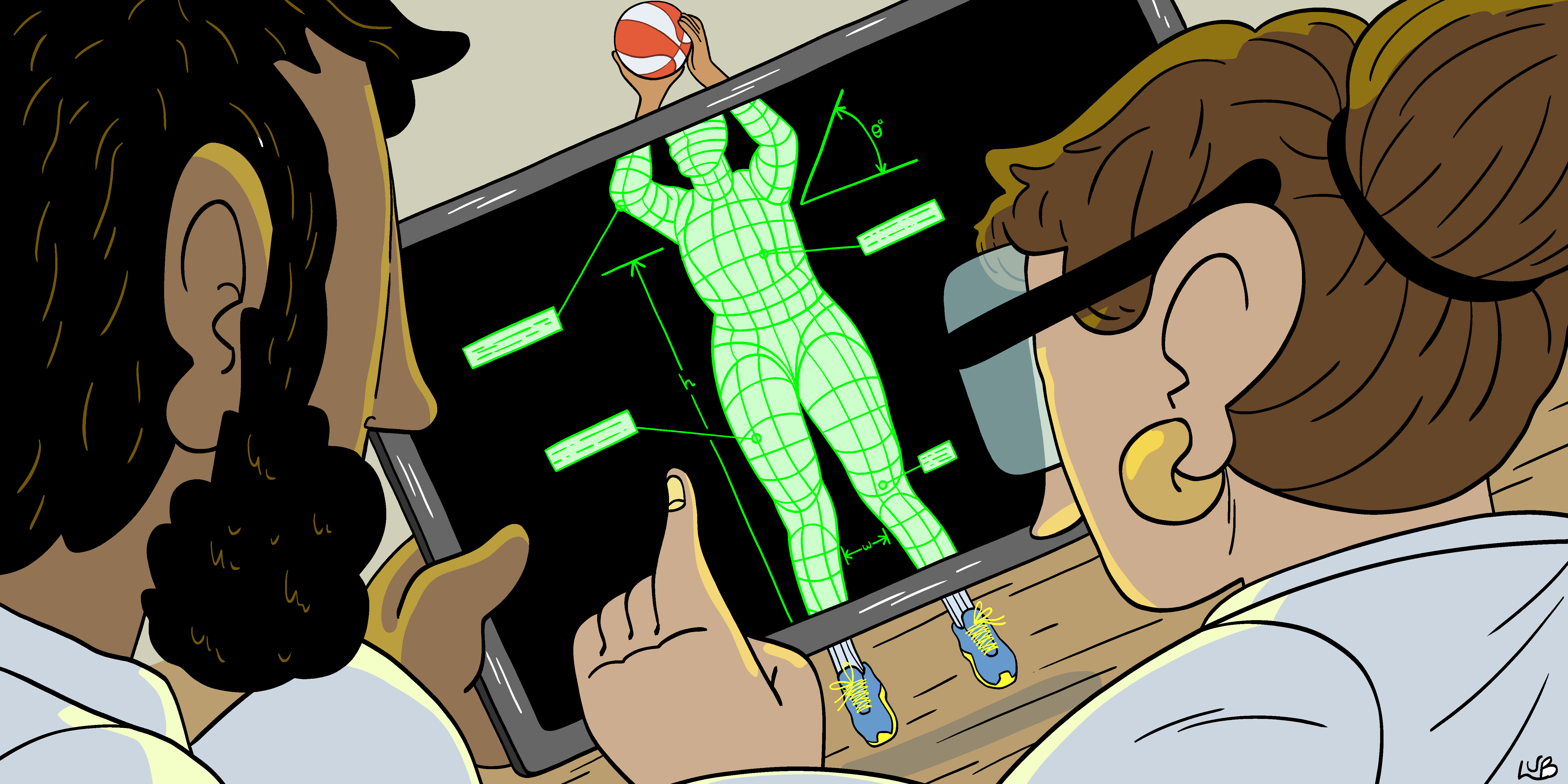
In a development that has stunned both urologists and tech ethicists, men across the United States are scheduling elective penile augmentation surgeries with the explicit goal of making their real bodies match the proportions of their virtual reality avatars. The procedures, which include fat transfer injections and surgical ligament releases, are being driven by the requirements of full-body haptic suits — wearable systems that translate digital collisions into physical sensations — and the rise of VR social platforms where user avatars are now photorealistic and body-mapped from real-world scans.
Key Facts
- Slate Magazine reported on May 11, 2026, that a new patient population is seeking penile augmentation specifically to fit VR avatar dimensions, not for traditional cosmetic or sexual reasons.
- The procedures involve fat transfer injections (lipofilling) and suspensory ligament release surgeries that can add 1–2 inches in length and increase girth by 20–30%.
- Dr. Michael Eisenberg, a urologist at Stanford Medicine, told Slate that "it isn't going to look like your God-given penis, only larger. It's going to look like you've had work done," warning that VR-driven results often appear unnatural and disproportional.
- The trend is linked to next-generation haptic suits from companies like Teslasuit and HaptX, which require precise body measurements for accurate force-feedback mapping.
- VR social platforms such as Meta Horizon Worlds and VRChat now offer full-body tracking that scans users' real dimensions and replicates them in real-time, making avatar size discrepancies immediately visible to other users.
- The American Society of Plastic Surgeons reported a 23% year-over-year increase in male genital enhancement procedures in 2025, though it does not track the reason for surgery.
- A 2025 survey by the VR Body Image Project at the University of Southern California found that 34% of male VR users reported feeling "pressure" to modify their real bodies to match their avatars.
Breaking It Down
The most striking revelation from Slate's reporting is not that men want larger penises — that desire is as old as recorded history — but that the catalyst is technological compatibility, not sexual insecurity. These patients are not seeking enhancement for partners or self-esteem in the bedroom; they are doing it so their haptic suit sensors align correctly with their VR avatar's collision boundaries. When a user's real dimensions fall short of their avatar's, the haptic feedback system registers inaccurate touch points, creating a disorienting "ghost limb" effect where the user feels contact in the wrong location. The surgical solution, for some, is simpler than recalibrating the software.
"34% of male VR users reported feeling 'pressure' to modify their real bodies to match their avatars." — USC VR Body Image Project, 2025
This figure represents a fundamental inversion of the traditional body-image dynamic. For decades, cosmetic surgery followed the logic of digital filters and photo editing — people altered their real bodies to look like idealized digital images. But VR body mapping flips this equation. Because the system requires exact physical measurements to function, the user cannot simply tweak a slider to be taller or larger. The software demands a one-to-one correspondence between the real body and the virtual one. If a man wants his VR avatar to have a 6-inch penis, his real body must have a 6-inch penis — or surgery must provide it.
The medical community is divided. Dr. Eisenberg's warning about "looking like you've had work done" reflects a clinical reality: penile augmentation surgeries carry significant risks, including scarring, loss of sensation, infection, and erectile dysfunction. The fat transfer method, while less invasive, often results in uneven absorption where the body reabsorbs 30–50% of the injected fat within six months, leaving patients with asymmetrical results. The ligament release surgery is permanent and can cause downward curvature during erection. Patients who undergo these procedures for VR compatibility may be trading temporary digital satisfaction for permanent physical complications.
What Comes Next
The convergence of VR hardware and cosmetic surgery is accelerating faster than regulators can track. Here are the specific developments to monitor:
- FDA regulation of VR-linked medical procedures. The U.S. Food and Drug Administration is expected to hold a public hearing in September 2026 on whether VR avatar compatibility constitutes a "medical necessity" that would affect insurance coverage and surgical standards.
- Haptic suit manufacturer liability. Teslasuit and HaptX face potential class-action lawsuits if patients can prove that inadequate software calibration — rather than their own body size — was the root cause of the mismatch. Legal filings are expected by Q4 2026.
- Surgical volume tracking. The American Urological Association plans to release a special report in January 2027 specifically tracking penile augmentation procedures linked to VR use, with data from 120 participating clinics.
- Platform policy changes. Meta and VRChat are reportedly developing "avatar scaling tools" that would allow users to adjust their virtual dimensions without requiring real-body modification, with beta testing slated for late 2026.
The Bigger Picture
This story is a vivid case study in Embodied Digital Identity — the growing phenomenon where digital representations are no longer optional or aspirational, but physically binding. As full-body tracking and haptic feedback become standard in consumer VR, the boundary between the real and the virtual is collapsing from both directions. Previously, we altered our digital selves to match our real ones. Now, we are altering our real selves to match our digital ones.
This also intersects with Biohacking and Transhumanism, where elective surgery is increasingly framed as a technological upgrade rather than a medical or cosmetic choice. The men in Slate's report do not describe themselves as insecure or vain; they describe themselves as "optimizing for compatibility" — the same language used by PC gamers upgrading a graphics card. This reframing of surgical risk as a technical specification problem may be the most profound cultural shift of all: the body is becoming a peripheral device.
Key Takeaways
- [VR Body Mapping Drives Surgery]: A new patient population is seeking penile augmentation specifically to match VR avatar dimensions, not for traditional cosmetic or sexual reasons.
- [Haptic Suit Compatibility is the Trigger]: The need for precise body measurements in full-body haptic suits creates pressure for one-to-one physical-to-digital correspondence.
- [Medical Risks are Significant]: Fat transfer and ligament release surgeries carry permanent risks including scarring, sensation loss, and erectile dysfunction, with results that often look "done."
- [Regulatory and Platform Responses are Coming]: Expect FDA hearings in September 2026, potential lawsuits against haptic suit makers, and new avatar scaling tools from Meta and VRChat by late 2026.